

How Gear Ratios Influence Clutch Load and Wear
Every seasoned driver understands the visceral connection between the throttle, the shifter, and the road. However, one fundamental relationship that drivers cannot overlook until a failure occurs is the interaction between the transmission’s gear ratios and the clutch's lifespan.
While most enthusiasts focus on horsepower ratings and torque curves, the mechanical advantage—or disadvantage—created by your gearing plays a massive role in how much stress your clutch endures. Keep reading to better understand how gear ratios influence clutch load and wear and how to minimize this load for greater longevity.
Understanding the Mechanics of Gear Ratios
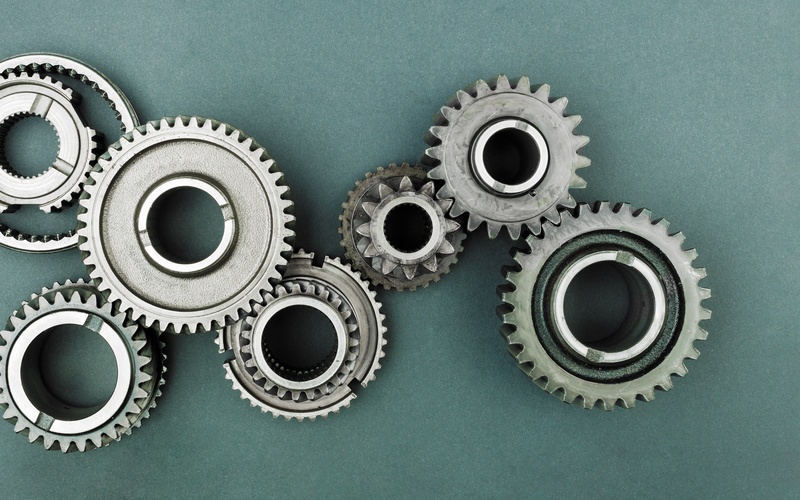
Understanding gear ratios is key to knowing how gearing affects your clutch. A gear ratio represents the relationship between the teeth on two meshed gears. For example, a 2:1 ratio means the engine turns twice for every single rotation of the output shaft. These ratios determine how your engine's torque multiplies before reaching the wheels: lower gears provide more torque to get moving, while higher gears prioritize speed and efficiency.
As you shift through gears, the mechanical leverage changes, affecting how the engine applies its torque. Lower gears use higher ratios to multiply torque, while higher gears reduce this leverage to minimize resistance. This shifting torque directly impacts the clutch, which must absorb and manage the changing forces between the engine and drivetrain.
The Role of the Clutch in Power Transfer
The clutch is not a simple on-off switch; it’s a sophisticated friction coupling that modulates power between the flywheel and the transmission input shaft. The assembly, consisting of a pressure plate, clutch disc, and release bearing, engages and disengages power transfer. As you release the pedal, the pressure plate clamps the disc against the flywheel, forcing it to slip just enough to smooth out the speed differential between the engine and transmission. This engagement period is where the clutch must hold firmly to transmit torque without slipping after engagement.
The friction material and the pressure plate’s clamping force determine the clutch’s holding capacity. High-performance clutches from specialists like Clutch Masters utilize advanced friction compounds and higher clamp loads to manage significantly greater torque. However, even the most robust clutch will fail when the load surpasses its design parameters.
How Low Gearing Affects Initial Load
Now that we understand how gear ratios work with the clutch, how do they influence its load and wear? Launching a vehicle from a standstill places the highest instantaneous load on the drivetrain. Lower gears provide a significant mechanical advantage, meaning the engine doesn't have to work as hard to rotate the wheels, reducing the resistance fed back to the clutch. In contrast, starting in a higher gear reduces this advantage, forcing the clutch to slip more and absorb the energy difference as heat.
However, the shock load during a hard launch in low gear can be severe, rapidly dissipating kinetic energy into the system. If the tires have immense grip and the gear ratio multiplies torque aggressively, the clutch must grab instantly or become the weak link. Any slippage under this intense torque multiplication will cause rapid wear and extreme heat.
The Impact of Tall Gearing on Cruising and Load
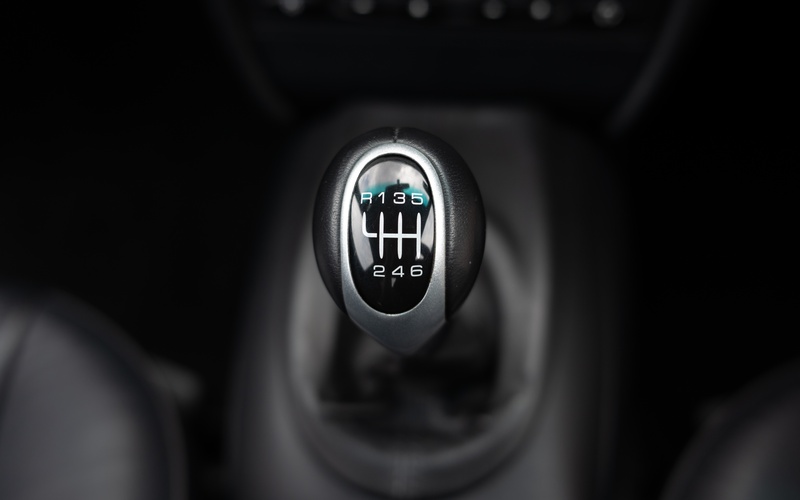
As you shift into higher gears like fourth, fifth, and sixth, the engine’s mechanical advantage over the wheels decreases. In overdrive, the engine may turn only 0.8 times per wheel rotation, keeping RPMs low for highway cruising but creating a mechanical disadvantage for torque application. This becomes noticeable when accelerating hard at low speeds in a high gear, a practice called "lugging" the engine. At low RPMs in a tall gear, engine torque pulses encounter heavy resistance, which transmits back through the drivetrain to the clutch.
If the clutch is near its torque capacity limit, this high-load, low-RPM scenario can cause clutch slip, seen as a rising tachometer without a corresponding speed increase. This long slip generates excessive heat, glazing the flywheel and damaging the friction disc. To avoid these issues, proper gear selection is essential to maintain the engine's mechanical advantage and keep the load within the clutch's holding capability. Choosing the right gear provides smoother acceleration and protects your drivetrain components.
Accelerating Wear Through Improper Gear Selection
The most common way drivers unintentionally damage clutches is by mismatching gears with road speed, such as through aggressive engine braking. While a valid technique, downshifting too early without rev-matching forces the clutch to absorb the vehicle's kinetic energy, causing significant wear.
Another harmful habit is "riding the clutch" by resting your foot on the pedal, which prevents the pressure plate from applying full clamping force. This, along with tall gearing at low speeds, creates a state of constant micro-slip that quickly degrades the clutch components.
High-performance driving amplifies these issues because a tall final drive ratio optimal for top speed makes low-speed cornering difficult. Drivers may want to slip the clutch to keep the engine in its power band, a technique that destroys stock clutches with extreme heat. While racing clutches of ceramic or sintered iron can better withstand this abuse, the fundamental stress from the gear ratio remains a critical factor. Ultimately, proper gear selection and clutch engagement are crucial to preserving the longevity and performance of your entire drivetrain.
Minimizing Load for Maximum Longevity
Preserving your clutch requires a driving style that respects the mechanical realities of your transmission. The goal is to minimize the time the clutch spends in that "slip zone" between full disengagement and full engagement. First, always match your gear to your speed. Avoid heavy throttle applications in overdrive gears. If you need to pass or accelerate, downshift to a gear that puts the engine in its powerband and gives you a mechanical advantage.
Second, practice rev-matching. When you downshift, blip the throttle to equal engine speed with the lower gear before releasing the clutch. This eliminates the shock load and prevents the clutch from having to accelerate the engine speed, reducing wear on the friction material.
Finally, commit to the shift. In high-performance driving, vague inputs cause damage. Press the pedal, shift, and release the pedal smoothly but decisively. The longer you hover at the engagement point, the more heat you generate.

Drive Smarter, Last Longer
Your transmission’s gear ratios and clutch work together in a delicate balance of physics, and every shift puts wear on your drivetrain. By learning how leverage impacts your vehicle, you can adjust your driving habits to protect your clutch and transmission. Techniques like downshifting to accelerate, rev-matching your deceleration, and selecting the right gear for corners can make all the difference in preventing unnecessary wear.
When it’s time to upgrade, trust Clutch Masters Industries and our performance clutch kits to meet the demands of your gearing and driving style. Whether you’re racing for the podium or enjoying weekend drives, our high-performance clutches deliver durability and precision for any scenario. Don’t let a slipping clutch hold you back—explore Clutch Masters’ cutting-edge products today and keep your vehicle running at its best.