

Troubleshooting Twin Disc Clutch Sounds and Noises

Upgrading to a high-performance twin disc clutch is essential for managing greater horsepower and torque, but the resulting mechanical symphony can trigger immediate panic. Unlike the silent stock components in a standard commuter vehicle, these multi-plate systems utilize floating intermediate plates that produce a distinct acoustic signature during operation.
Distinguishing between harmless mechanical chatter and signs of catastrophic failure is crucial for protecting your investment and enjoying peak drivetrain efficiency. Our troubleshooting guide to twin disc clutches below will help you diagnose common sounds and noises you may hear from your vehicle.
The Anatomy of Twin Disc Clutch Acoustics
To understand the noise, you must first understand the mechanics. A standard factory clutch typically uses a single friction disc with a sprung hub to dampen engine vibration. Manufacturers design these systems for comfort and silence, sacrificing holding power and heat dissipation in the process.
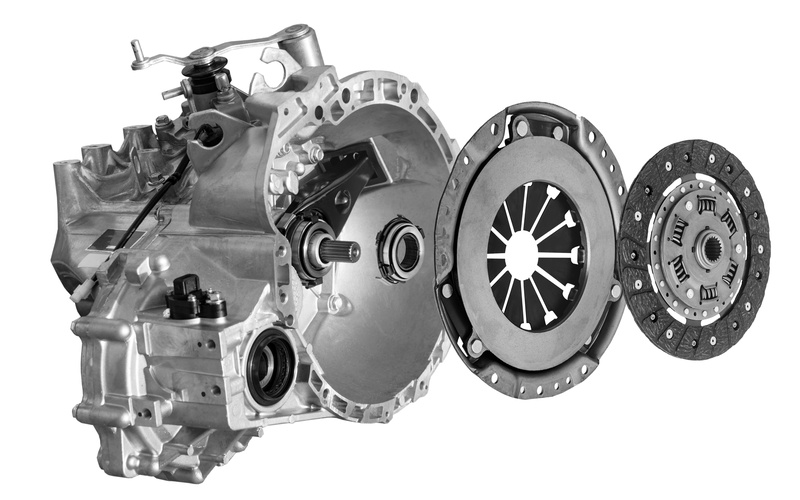
A twin disc setup, like the Clutch Masters 725 or 850 Series, operates on a different philosophy. These systems utilize two friction discs and an intermediate plate, typically known as a floater plate, between them. This design doubles the friction surface area, allowing the clutch to hold tremendous torque without requiring a leg-breakingly heavy pedal feel.
Twin Disc Clutch Acoustic Characteristics
However, that intermediate plate creates a unique acoustic signature. When you disengage the clutch by pressing the pedal, the pressure plate pulls away, and the discs and floater plate become loose within the assembly. Since the floater plate must slide freely on the stands or studs, it naturally has a small amount of gap or lash. As the engine spins, this free-floating plate rattles against its guides, producing the famous "twin disc chatter."
In the world of racing, this chatter is a badge of honor. It signifies that your vehicle carries race-proven hardware capable of handling severe abuse. However, for a driver accustomed to a silent cabin, it can be jarring. Understanding that some noise is an inherent design feature of a floating multi-disc system is the first step in troubleshooting.
Diagnosing Squealing Sounds
A high-pitched squeal is rarely a good sign and almost always indicates a friction or bearing issue. If you hear a squealing noise that changes pitch with engine RPM or clutch pedal position, you likely have a failing release bearing, also known as a throw-out bearing. You can isolate this issue by paying attention to when the sound occurs. If the squeal appears only when you depress the clutch pedal, the release bearing is the primary suspect.
When you press the pedal, the bearing presses against the diaphragm fingers of the pressure plate. If the bearing lacks internal grease or has worn surfaces, the pressure creates a high-pitched scream.
Conversely, if the squeal happens as you release the pedal and engage the clutch, you might be dealing with pilot bearing failure or glazed friction discs. A seized pilot bearing keeps the input shaft spinning even when the clutch disengages, causing friction and noise.
Troubleshooting Grinding Sounds
Grinding is a nightmare sound for car enthusiasts, as it implies metal shaving against metal. When diagnosing grinding in a twin-disc setup, you must determine whether the sound originates from the clutch or the transmission gears. If you hear a grinding noise when shifting gears, the clutch is likely not disengaging fully.
This condition, known as clutch drag, keeps the input shaft spinning even when the pedal is fully depressed. The synchronizers in your transmission then struggle to match speeds, resulting in a grind. Several factors contribute to drag in a twin-disc system. Air bubbles in the hydraulic line prevent the slave cylinder from extending fully, or a misadjusted pedal stop might limit the travel of the master cylinder rod. In some cases, the splines on the input shaft may be dirty or damaged, preventing the friction discs from sliding freely away from the flywheel.
Probing Clunking Sounds
A distinct clunk when you engage the clutch or shift gears usually points to drivetrain slack rather than an internal clutch failure. Twin disc clutches, especially rigid versions like the Clutch Masters TD7R or TD8R, engage aggressively. They do not have the soft, slushy take-up of a factory organic clutch. This instant torque transfer exposes every weak link in your drivetrain.
Worn engine mounts, transmission mounts, differential bushings, or U-joints will bang and clunk under the sudden load. The clutch is simply doing its job of grabbing hard; the rest of the car is struggling to keep up. However, a clunk can sometimes originate from the clutch assembly itself due to a bad installation. Loose flywheel bolts or pressure plate bolts can allow the entire assembly to shift, creating a heavy knock.
Investigating Whining Noises
Whining noises can confuse owners because they sound like they originate from the transmission tunnel, but they are frequently a byproduct of upgrading to a lightweight flywheel. By removing the factory dual-mass flywheel's heavy steel mass, you remove the drivetrain's primary vibration damper. The engine fires pulses that transmit directly to the transmission input shaft. This causes the gears inside the transmission to rattle against each other in neutral, creating a growling or whining sound known as "gear rollover."
This noise usually disappears when you press the clutch pedal or accelerate. While annoying, gear rollover is generally harmless and is a physical consequence of running a lightweight flywheel. It does not indicate a broken clutch or transmission. However, a whine that increases in pitch with vehicle speed—regardless of clutch position—usually indicates a bad differential or wheel bearing.
The Solution to the Noise
If the chatter of a traditional twin disc drives you crazy, but you need the holding power, you are not out of options. Engineering advancements now bridge the gap between race-day performance and street-day comfort. Clutch Masters’ "Strapped" series (such as the FX850 Strapped) specifically addresses noise. Instead of a free-floating mid-plate that rattles against stands, the Strapped series uses flexible drive straps to connect the mid-plate to the cover.
This design isolates the plate, virtually eliminating the chatter while creating a much smoother engagement. Upgrading to these modern systems gives you the best of both worlds. You get the immense clamping force and torque capacity of a twin disc without the bucket-of-bolts soundtrack that usually accompanies race parts.
Maintenance and Prevention
Preventing noise starts with proper installation and maintenance. You must follow the break-in procedure religiously. Most organic and fiber-tuff discs require 500 miles of city driving to seat properly. Racing or launching the car before this break-in period glazes the discs, leading to permanent squealing and slipping.
Fluid maintenance is equally vital. Old, water-contaminated hydraulic fluid boils under heat, causing the pedal to go soft and the clutch to drag. You should flush and bleed your clutch hydraulic system regularly, especially if you track the car.
Listen to Your Car
Troubleshooting twin disc clutch sounds and noises starts with an attentive ear. light chatter of a floating mid-plate signals race-ready performance, while gear rollover rattle reflects the freedom of a lightweight flywheel.
If you need to upgrade or replace your vehicle’s twin disc clutch parts, look no further than Clutch Masters Industries. Browse our inventory today to find the parts for your car, or contact our staff to speak with clutch experts.