

Why High-HP Builds Need Multi-Disc Setups
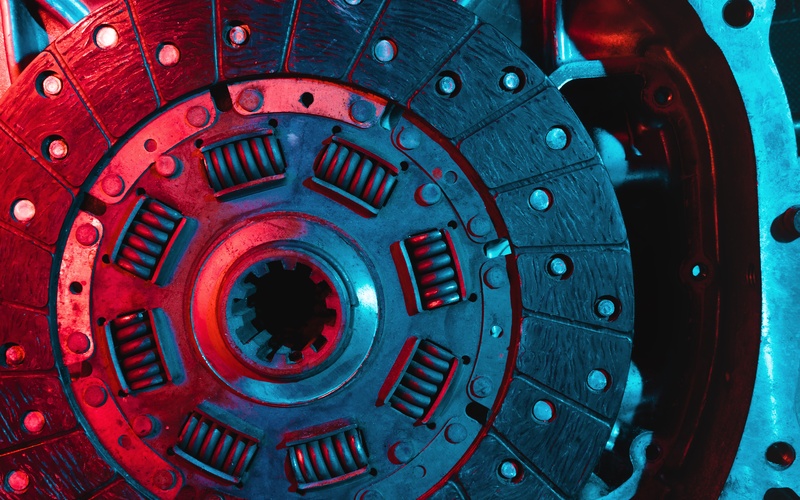
High-horsepower (HP) builds create a different set of demands than mildly modified street cars. As power rises, the clutch must hold more torque, manage heat, keep pedal effort reasonable, and deliver predictable engagement under harder use.
A single-disc clutch can work well in many performance applications, but it reaches a point where more clamp load, more aggressive friction material, or both become necessary. Keep reading to understand why high-HP builds need multi-disc setups.
How Power Changes Clutch Demands
Horsepower gets attention, but torque creates the real workload for the clutch. When a build makes more torque, the clutch must transfer that force through the friction surfaces without slipping. If the clutch cannot hold that load, the engine revs rise without a matching increase in vehicle speed, and the friction surfaces generate excess heat.
High-HP builds also place the clutch under repeated stress. Hard launches, aggressive shifts, track sessions, and high-boost pulls all increase the amount of heat and shock the clutch assembly must handle.
The Limits of a Single-Disc Setup
A single-disc clutch has one friction disc working between the flywheel and pressure plate. To increase holding capacity, manufacturers can raise clamp load, use a more aggressive friction material, change disc design, or combine those approaches.
More clamp load can increase pedal effort and place more stress on related components. More aggressive friction material can create harsher engagement, more chatter, and less smooth drivability. At a certain power level, forcing a single-disc clutch to do everything can make the car harder to control, especially on the street.
What a Multi-Disc Setup Changes
A multi-disc clutch adds more friction surfaces inside the clutch assembly. Instead of asking one disc to hold all the torque, the system spreads the load across multiple discs. This gives the clutch more torque capacity without needing extreme clamp load.
That extra surface area matters. More friction area allows the clutch to hold more power while keeping engagement more manageable.
More Surface Area Means More Holding Power
One of the biggest reasons why high-HP builds need multi-disc setups is that it increases the friction surface area. A twin-disc clutch changes how the clutch handles torque. With more surfaces sharing the load, the clutch can support higher output while maintaining a more balanced feel.
This is where clutch selection becomes more than choosing the strongest part available. The right setup needs to match the engine’s output, vehicle weight, tire grip, transmission, and intended use. That same thinking applies when comparing clutch brands, flywheel designs, and aftermarket flywheel manufacturers during a performance build.
Why Pedal Effort Matters in a High-HP Car
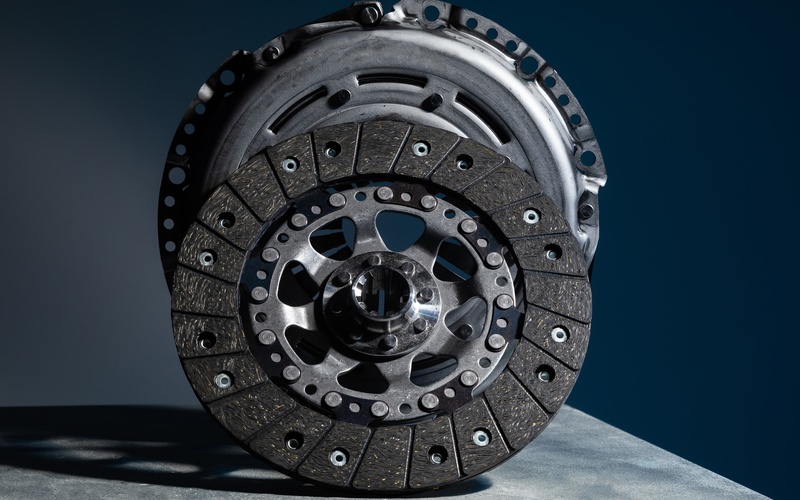
Many drivers assume a stronger clutch must feel heavy. That can be true with some single-disc designs, especially when the clutch relies heavily on clamp load. A stiff pedal can become tiring in traffic, harder to modulate at launch, and less precise during quick shifts.
Multi-disc setups can increase torque capacity while keeping pedal effort more reasonable. Since the clutch gains holding power from added friction surfaces, it does not have to depend entirely on a very heavy pressure plate.
Better Control During Engagement
Engagement feel matters in any performance car, but it becomes even more important as power rises. A clutch that grabs too suddenly can make the car difficult to launch, especially when traction changes. A clutch that slips too easily can overheat and wear faster. A properly matched multi-disc setup gives the driver a better connection between pedal movement and power delivery.
Heat Management in Performance Use
Heat is one of the biggest enemies of clutch performance. Every time the clutch slips during engagement, it creates heat. In high-power applications, that heat can build quickly, especially during repeated launches, aggressive shifting, or extended track sessions.
A multi-disc setup helps distribute that heat across more surfaces. This gives the system more capacity to manage thermal load.
Drivability is Still Part of Performance
A high-power clutch should not make the car difficult to drive unless the build has a very specific race-only purpose. Street-driven cars still need controlled takeoff, reasonable pedal feel, and predictable engagement.
Multi-disc systems give builders more ways to balance power capacity and drivability. A twin-disc setup can suit a high-output street car, while a more aggressive multi-disc arrangement may fit a track or drag application.
Matching the Clutch to the Build
The right clutch depends on vehicle weight, torque curve, gearing, tire compound, intended use, and driving style. A heavy car with sticky tires and a turbocharged engine may need a very different setup than a lighter car with similar peak power.
Too little clutch leads to slip, heat, and premature wear. Too much clutch can create harsh engagement, unnecessary noise, and reduced drivability. The best setup gives the car enough capacity without creating avoidable compromises.
Why Flywheel Design Matters
The flywheel works directly with the clutch, so it plays a major role in how the setup feels and performs. It affects rotational mass, engine response, engagement behavior, and heat transfer. In a multi-disc system, the flywheel must match the clutch design and support the intended use.
A lighter flywheel can help the engine rev more quickly, which many performance drivers like. However, a setup that feels sharp on track may feel less forgiving in stop-and-go driving, so the complete system needs to work together.
When a Multi-Disc Setup Makes Sense
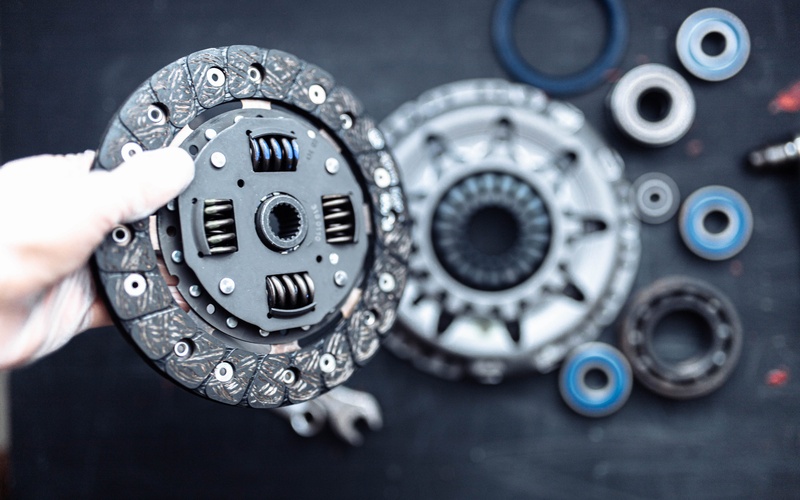
A multi-disc clutch makes sense when the build outgrows the handling capacity of a single-disc setup. That point depends on the vehicle, use case, and driver expectations.
Some cars need the upgrade because of torque output, while others need it because of repeated heat cycles and hard launches. It can also make sense when the driver wants more holding capacity without turning the car into something difficult to manage.
Street, Strip, and Track Applications
Street cars need a clutch that can handle power without making every drive a chore. Drag cars need launch consistency, torque capacity, and strength under shock load. Road race and time attack cars need heat resistance, smooth engagement, and repeatable performance over long sessions.
Multi-disc setups can serve all these applications. The details change from one build to another, but the reason stays the same. More power requires more clutch capacity, and multi-disc systems provide that capacity in a controlled, efficient way.
Common Signs a Single Disc is No Longer Enough
A slipping clutch under boost, during high-rpm shifts, or at peak torque can signal that the setup has reached its limit. A burning smell after hard driving, inconsistent engagement, or fading performance can also point to heat overload.
Drivers should also think ahead when planning upgrades. Choosing the right system early can prevent repeated labor, downtime, and unnecessary wear on related drivetrain components.
Choose a Clutch Setup That Can Handle the Build
High-HP builds need clutch systems that can hold torque, manage heat, and maintain control under demanding conditions. Multi-disc setups meet those needs by increasing friction surface area, improving torque capacity, and helping preserve drivability compared with an overly aggressive single-disc design.
When your build needs a serious performance clutch system, turn to Clutch Masters Industries for parts that support high-output street, strip, and track applications. Explore the right clutch and flywheel options for your setup, and choose components built to handle the power you plan to make.