

Common Causes of Inconsistent Clutch Engagement
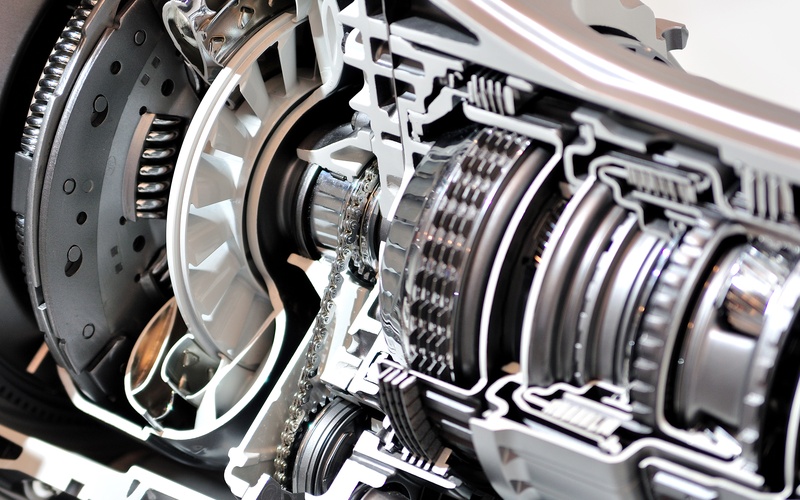
Inconsistent clutch engagement can make a car feel unpredictable every time you pull away, shift, or load the drivetrain. One launch may feel smooth, while the next feels grabby, vague, delayed, or uneven. That kind of behavior can frustrate any driver, but it matters even more in a performance application where clutch feel, response, and control directly affect how the car drives.
Clutch engagement depends on several systems working together. The pedal, hydraulics, pressure plate, disc, flywheel, release bearing, and related hardware all influence when and how torque transfers from the engine to the transmission. Keep reading to understand the most common causes of inconsistent clutch engagement.
Why Consistent Clutch Engagement Matters
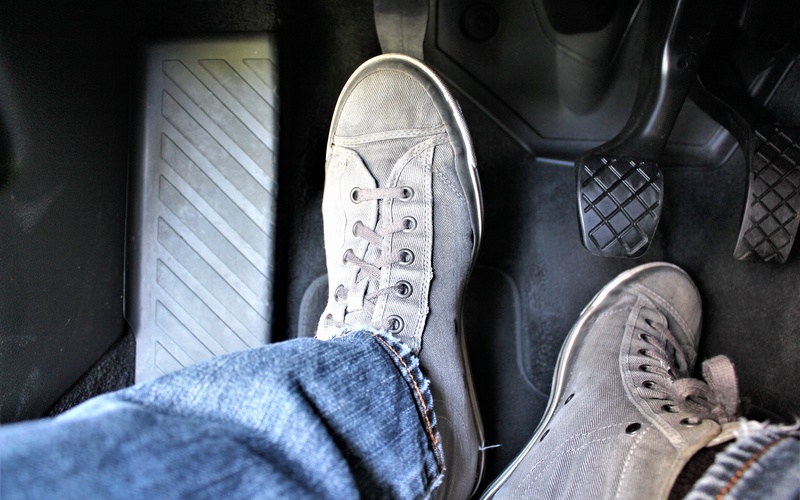
A clutch should engage in a predictable range of pedal travel. The driver should feel where the clutch starts to bite, how quickly it applies torque, and how much pedal movement remains before full engagement.
When engagement changes from one shift to the next, the driver loses confidence in the car. A worn friction surface, contaminated disc, or overheated pressure plate can all contribute to inconsistent pedal feel or engagement behavior. The key is understanding where the inconsistency starts, because clutch problems can come from the actuation system, the friction components, or the way the parts interact under heat and load.
Air in the Clutch Hydraulic System
Air in the hydraulic system can create one of the most common inconsistent clutch feel issues. Hydraulic systems rely on fluid pressure to move the release bearing or slave cylinder. Fluid does not compress much, but air does, which means trapped air can make the pedal feel soft, spongy, or unpredictable.
A driver may notice that the clutch engagement point changes after frequent pedal use. The pedal may feel firm one moment and vague the next. In some cases, the clutch may not fully disengage, which can make shifts difficult or cause the car to creep with the pedal pressed.
Why Bleeding Matters
Proper bleeding removes air from the hydraulic circuit and helps restore consistent movement at the release mechanism. If air remains trapped, the system may not move the clutch fork or release bearing the same distance every time. That variation changes how the pressure plate releases and reengages the disc. If bleeding does not resolve the issue, drivers may need to replace the system with a new hydraulic clutch kit.
Worn or Contaminated Clutch Fluid
Clutch fluid can absorb moisture over time, especially in systems that use brake fluid. Moisture lowers the fluid’s boiling point and can affect pedal consistency when the system gets hot. During aggressive driving, heat can transfer into the hydraulic components and make weak fluid behave unpredictably.
Contaminated fluid can also damage seals or reduce smooth movement inside the master cylinder or slave cylinder. A driver may feel a pedal that returns slowly, sticks slightly, or changes feel after the car warms up.
Master Cylinder or Slave Cylinder Problems
Another common cause of inconsistent clutch engagement is a problem with the master or slave cylinder. The clutch master cylinder converts pedal movement into hydraulic pressure. The slave cylinder or hydraulic release bearing converts that pressure back into mechanical movement. If either component leaks internally or externally, the clutch may not release or engage the same way every time.
An external leak may leave visible fluid around the cylinder, line, bell housing, or firewall area. An internal leak can be harder to spot because the fluid bypasses a seal inside the component. The pedal may slowly sink, feel inconsistent, or lose pressure even when the fluid level looks acceptable.
Worn Clutch Disc Friction Material
The clutch disc carries friction material that wears each time the clutch slips during engagement. As the disc wears, its thickness changes, and that can alter the engagement point. Normal wear usually happens gradually, but uneven wear can create a clutch that grabs, slips, or engages inconsistently.
A disc that has seen heavy launches, excessive slipping, or high heat may develop glazing. Glazed friction material can feel inconsistent because the surface loses the texture for stable torque transfer. The clutch may slip under load, chatter during engagement, or feel different when hot.
Heat Damage to the Pressure Plate and Flywheel
Friction creates heat every time the clutch engages. In normal driving, the clutch system manages that heat through the pressure plate, flywheel, airflow, and time between engagements. In performance driving, frequent hard launches, aggressive shifts, and high-load slipping can raise temperatures quickly.
Heat can create hot spots on the flywheel or pressure plate surface. These areas may have different friction characteristics than the surrounding metal. When the disc contacts those uneven surfaces, engagement can feel grabby, uneven, or unpredictable.
Flywheel Surface Problems
The flywheel gives the clutch disc a surface to clamp against. If the flywheel surface has hot spots, grooves, uneven wear, or improper machining, the clutch may not engage smoothly. A fresh clutch disc needs a proper mating surface to bed in correctly and deliver consistent friction.
Resurfacing or replacement may be necessary when the flywheel surface falls outside acceptable condition. The correct approach depends on flywheel design, material, and manufacturer specifications.
Pressure Plate Issues
The pressure plate applies clamp load to the clutch disc. If the diaphragm spring, cover, or friction surface has wear or damage, the clutch may apply pressure unevenly. That can create engagement that feels sudden, delayed, or inconsistent under different driving conditions.
In performance applications, pressure plate selection matters because clamp load and pedal feel must match the car’s power, use case, and drivability needs. Too little clamp load can allow slip.
Clutch Disc Contamination
Oil, grease, or other contaminants on the clutch disc can cause erratic engagement. A rear main seal leak, transmission input shaft seal leak, or improper handling during installation can introduce contaminants to the friction material. Once the disc absorbs oil, it may grab, slip, chatter, or change behavior as temperatures rise.
Contamination can be difficult to fix without replacing affected parts. Cleaning the flywheel and pressure plate may help in some cases, but a soaked friction disc usually cannot deliver reliable engagement. The source of the leak also needs repair before installing new clutch components.
Incorrect Installation or Hardware Problems
Clutch installation requires careful alignment, correct torque, proper hardware, and attention to release system geometry. Small mistakes can cause major drivability issues. Incorrect disc orientation, uneven pressure plate torque, missing dowels, improper flywheel bolts, or mismatched release components can all affect engagement.
A clutch may also feel inconsistent if the release bearing position does not match the clutch assembly. Too much or too little clearance can create release problems, premature wear, or engagement point changes.
Consistent Engagement Starts With the Right Diagnosis
Unpredictable clutch engagement can come from many sources, from air in the hydraulic system to worn fluid, failing cylinders, and more. The symptoms may feel similar, but the causes can differ widely. A proper diagnosis starts with the basics, then moves through the hydraulic system, clutch assembly, flywheel surface, and installation details.
For performance vehicles, consistent clutch engagement depends on quality components, correct fitment, and proper setup. Clutch Masters builds performance clutch and flywheel solutions for drivers who want stronger, more predictable drivetrain behavior. Explore Clutch Masters products or contact the team to find the right clutch setup for your application.