

How Heat Impacts Clutch Performance Over Time
Heat plays a major role in how a clutch feels, grips, and lasts. Every time a driver releases the clutch pedal, the clutch disc, pressure plate, and flywheel manage friction between the engine and transmission. That friction lets the car move, but it also creates heat.
A clutch can handle normal heat when the system matches the vehicle’s power level and driving style. Problems start when heat builds faster than the parts can manage it. Keep reading to understand how heat impacts clutch performance over time.
Why Clutches Generate Heat
A clutch works by using friction. When the pressure plate and flywheel squeeze the disc, it transfers engine torque into the transmission. During smooth engagement, the disc slips for a moment before it fully locks in.
That slip creates heat. In a stock car with normal driving, the heat level stays within a safe range. In a modified car, track car, or aggressively driven street car, the clutch faces more load, more slip, and higher temperatures.
Friction Turns into Temperature
Friction material does not work in isolation. It depends on pressure, surface condition, clamp load, and heat range. When those factors stay in balance, the clutch grabs smoothly and holds power.
When heat rises too much, the friction material can lose consistency. The clutch may feel fine when cold, then act differently once the car warms up. That change can show up as slippage, chatter, a burning smell, or a softer engagement point.
How Heat Changes Clutch Feel
Clutch feel gives drivers an early warning that heat is affecting the system. A clutch should engage predictably. It should not change dramatically after a few hard pulls, repeated launches, or heavy traffic.
Heat impacts clutch performance when it builds over time. When the heat builds, the pedal may still feel normal, but the clutch may not respond the same way. The engagement point can feel vague, the car may shudder during takeoff, or the engine rpm may rise without a matching increase in vehicle speed. Those changes usually point to heat stress, wear, or both.
Heat Can Cause Glazing
Glazing happens when the friction surface gets too hot and becomes smooth or shiny. Instead of biting into the mating surfaces, the clutch disc slides across them. This makes engagement less consistent and reduces grip.
A glazed clutch can feel grabby at low speed, yet slip under heavy throttle. That mix of symptoms can confuse drivers because the clutch may not feel completely deficient. Even so, the friction surfaces have already lost some of their ability to hold.
Heat Can Warp Mating Surfaces
The flywheel and pressure plate absorb and release heat during clutch operation. When temperatures climb too high, those metal surfaces can develop hot spots or distortion. A small surface change can affect how evenly the clutch disc contacts the flywheel and pressure plate.
Uneven contact can cause vibration, chatter, and inconsistent engagement. The clutch may grab in one moment, then slip in the next. As the surface condition gets worse, the clutch has less clean contact area to work with.
Why Heat Damage Gets Worse Over Time
Heat damage usually builds in stages. A clutch may survive one hard drive without a major issue, but frequent high-temperature events leave a mark. Each event can change the friction material, surface finish, and spring tension inside the assembly.
This is why performance can fade gradually. A driver may notice that the clutch does not hold as well as it did after installation. The car may need more rpm to launch cleanly, or the clutch may slip during higher-gear pulls that never caused trouble before.
Daily Driving Can Still Add Heat
Heat problems do not only happen at the track. Stop-and-go driving, steep hills, towing, poor clutch pedal habits, and long periods of slipping the clutch can all increase temperature. A driver who rests a foot on the pedal or holds the car on a hill with the clutch can add unnecessary wear.
Even a performance setup can suffer if the driver keeps the clutch in the slip zone too long. The clutch must regularly fully engage, so the disc, flywheel, and pressure plate can stabilize. Constant partial engagement keeps heat in the system.
Track Use Accelerates the Process
Track driving adds frequent heat cycles. Hard launches, fast shifts, downshifts, and high-load acceleration all increase clutch temperature. The clutch also has less recovery time between events.
A clutch built for street use may not have the material, clamp load, or heat capacity for that environment. In that case, the driver may experience slippage after a few sessions, even if the clutch feels normal during light driving. Matching the clutch to the car’s use matters as much as matching it to horsepower.
The Role of the Flywheel in Heat Control
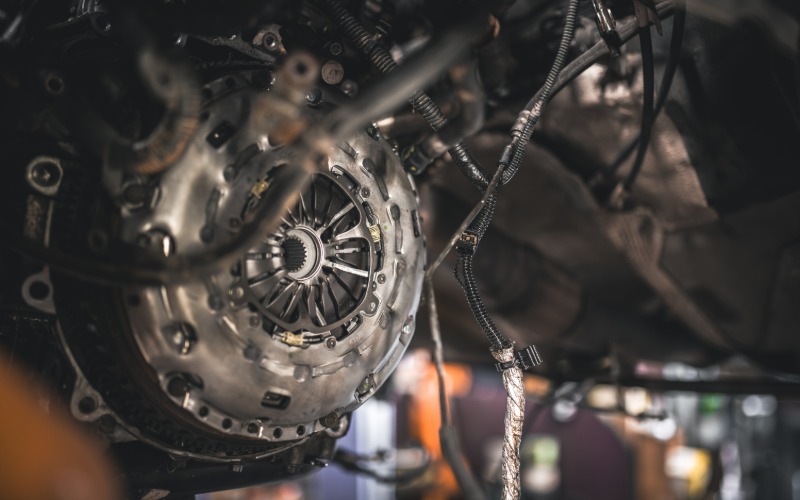
The flywheel does more than help the engine rotate smoothly. It also acts as a heat sink during clutch engagement. When the clutch disc slips against the flywheel, the flywheel absorbs part of that heat and helps spread it across its surface.
A damaged or poorly surfaced flywheel can make heat problems worse. If the surface has hot spots, grooves, or uneven areas, the clutch disc cannot make full, consistent contact. That reduced contact increases slip, and slip adds more heat.
Surface Condition Matters
A clean flywheel surface helps the clutch seat correctly. If a new clutch goes against a worn or uneven flywheel, the disc may not break in correctly. This can shorten clutch life and create performance complaints early.
Drivers should treat the flywheel as part of the clutch system, not as a separate part that only needs attention after failure. When the flywheel surface supports even contact, the clutch has a better chance of holding power and managing heat.
Weight and Material Affect Response
Flywheel design also affects how the car responds. A lighter flywheel can let the engine rev more freely, while a heavier flywheel can store more rotational energy. Each setup changes drivability, shift feel, and heat behavior.
How to Reduce Heat Stress
The best way to reduce heat stress is to limit unnecessary slip. Smooth, decisive clutch engagement creates less heat than riding the pedal. Drivers should avoid holding the vehicle on an incline with the clutch, and they should keep their foot off the pedal when not shifting.
Proper break-in also matters. New clutch components need time to seat against each other. Hard launches or heavy throttle too early can overheat the surfaces before they establish a stable contact pattern.
Heat Management Protects Clutch Performance
Heat is part of normal clutch operation, but too much heat reduces grip, changes engagement feel, and shortens service life. As friction surfaces overheat, the clutch can glaze, slip, chatter, or lose consistency under load. The longer those problems continue, the more damage the clutch, flywheel, and pressure plate can experience.
Drivers who understand heat can make better choices about parts, driving habits, and maintenance. If you’re looking for a performance clutch and flywheel kit for your vehicle, Clutch Masters can help. Contact our team for guidance from clutch experts about what’s best for your car.