

Why Some Builds Require Heavier Flywheels
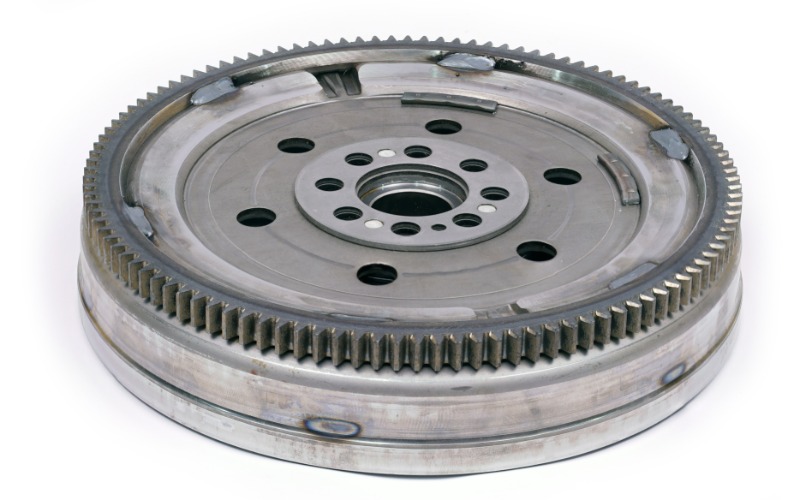
Many performance enthusiasts assume that reducing rotating mass always produces better results. A lighter flywheel can help an engine rev faster, improve throttle response, and make a vehicle feel more responsive during aggressive driving. However, those advantages do not suit every engine, transmission, vehicle, or driving style.
Some vehicles perform better with additional flywheel mass. A heavier flywheel stores more rotational energy, which can support smoother launches, steadier engine operation, and more predictable power delivery. Below, we explain why some builds require heavier flywheels and more.
How Flywheel Weight Affects Engine Behavior
A flywheel connects to the engine’s crankshaft and rotates with it. As the engine produces power, the flywheel stores part of that energy as rotational momentum. The amount of energy it stores depends partly on its total mass and how that mass sits across the flywheel’s diameter.
A heavier flywheel resists rapid changes in rotational speed. The engine may take slightly longer to gain or lose rpm, but it also maintains momentum more effectively when the driver engages the clutch, changes gears, or applies a sudden load. This resistance can make the drivetrain feel smoother and more stable.
Rotational Inertia Supports Momentum
Rotational inertia describes an object’s resistance to changes in rotational speed. A heavy flywheel has greater inertia than a lighter component with a similar design. Once the heavier flywheel begins spinning, it carries more energy through temporary changes in engine load.
This stored energy becomes especially useful when a vehicle starts moving from a stop. As the clutch engages, the drivetrain places a significant load on the engine. The flywheel’s momentum helps prevent a sharp rpm drop, which can reduce the risk of bogging or stalling.
Heavy Vehicles Need More Stored Energy
Vehicle weight strongly influences flywheel selection. Some builds require heavier flywheels because heavier cars require more energy to begin moving than a lightweight vehicle. Trucks, large coupes, all-wheel-drive cars, and vehicles with substantial interior or safety equipment can place a heavy load on the engine during clutch engagement.
A heavier flywheel helps carry engine speed through that initial load. It can make the vehicle easier to launch smoothly, particularly when the engine produces limited torque at low rpm. The added momentum also reduces the need to raise engine speed dramatically before releasing the clutch.
Street Driving Creates Repeated Low-Speed Loads
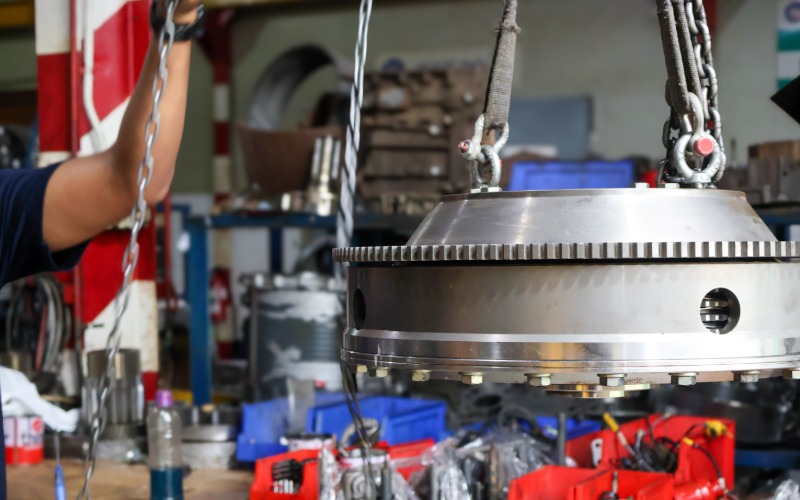
Street vehicles regularly start on hills, move through traffic, back into parking spaces, and crawl at low speeds. Each situation requires controlled clutch engagement. A flywheel that loses rpm too quickly can make these maneuvers jerky or difficult.
Additional flywheel mass gives the driver a wider margin for smooth engagement. The engine maintains speed as the clutch begins transferring torque, which can improve drivability and reduce unnecessary clutch slip. This characteristic matters in daily-driven performance cars that still need predictable low-speed behavior.
Turbocharged Builds May Benefit from Added Mass
Turbocharged engines can produce substantial power, but some setups generate limited torque before the turbocharger reaches its effective boost range. Large turbochargers, aggressive camshafts, and high-flow cylinder heads can shift useful power higher in the rpm range.
A very light flywheel may allow engine speed to fall rapidly between shifts or during clutch engagement. If rpm drops below the engine’s strongest operating range, the driver may experience hesitation or slow boost recovery. A heavier flywheel can help keep the engine closer to the range where it responds best.
Stored Momentum Can Improve Shift Recovery
During an upshift, the driver closes the throttle, disengages the clutch, selects the next gear, and reconnects the drivetrain. Engine speed must fall to match the next ratio, but an extremely rapid rpm drop can make timing more difficult.
Additional inertia slows that drop and gives the driver more time to complete the shift smoothly. In a turbocharged application, the engine may also retain more momentum as the next gear engages. This behavior can help the vehicle return to useful power without a severe interruption.
Drag Racing Setups Require Launch Consistency
Flywheel selection plays a major role in drag racing because the launch places an immediate load on the entire drivetrain. The engine must transfer enough energy through the clutch to move the vehicle without bogging, spinning the tires excessively, or overheating the friction surfaces.
A heavier flywheel can store more energy before the launch. When the clutch engages, that energy helps keep engine speed from collapsing under load. This advantage can matter in vehicles with tall first gears, large tires, substantial weight, or engines that make peak torque at higher rpm.
Vehicle Setup Determines the Best Mass
A lightweight, high-torque car may perform well with reduced flywheel mass. A heavier car with less low-rpm torque may need more stored energy to leave the starting line cleanly. Tire grip, track preparation, clutch design, and driver technique also influence the result.
Too much flywheel mass can make the engine slower to accelerate, while too little can create bogging and inconsistent launches. Successful drag builds treat flywheel weight as part of the complete drivetrain combination rather than an isolated specification.
Engine Design Influences Flywheel Requirements
Engines with strong low-rpm torque can tolerate a lighter flywheel more easily because they produce enough force to overcome drivetrain load. Large-displacement engines, certain diesel engines, and well-matched forced-induction setups may maintain drivability with less rotational mass.
Smaller engines, highly modified naturally aspirated engines, and builds with aggressive camshaft profiles may behave differently. If an engine produces weak vacuum, unstable idle quality, or limited low-speed torque, more flywheel mass can help smooth the power pulses and stabilize rpm.
Aggressive Camshafts Can Reduce Low-Speed Stability
Performance camshafts can improve airflow and high-rpm power, but aggressive valve timing may reduce torque and idle stability at lower engine speeds. A lightweight flywheel can magnify those characteristics because it allows rpm to change quickly.
A heavier unit can damp some of the speed fluctuations between combustion events. It will not correct an improper tune or mechanical issue, but it can make a properly configured performance engine easier to operate at idle and during low-speed engagement.
Balancing Response With Drivability
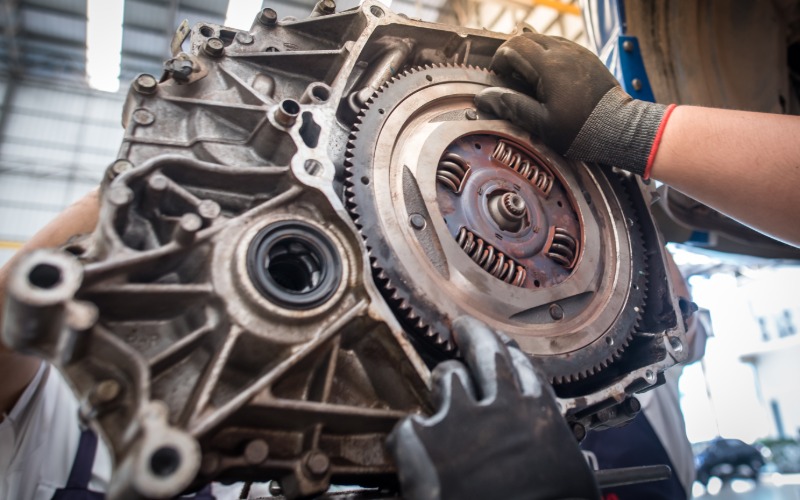
The correct flywheel should support the vehicle’s real use. A track-focused car may prioritize fast rpm changes and rapid downshifts, while a street car may need smooth takeoffs, manageable traffic behavior, and quiet operation. A competition vehicle may require enough stored energy to launch consistently under severe load.
Drivers should consider engine output, vehicle weight, gearing, tire grip, clutch design, and operating environment before selecting flywheel mass. The best choice creates a balanced system rather than maximizing one characteristic at the expense of every other part of the driving experience.
Choose Flywheel Mass for the Complete Build
Heavier flywheels serve an important purpose in many performance applications. They store rotational energy, support smoother clutch engagement, stabilize engine speed, and help heavy or high-strung vehicles move through sudden drivetrain loads. These benefits can improve drivability, launch consistency, and control.
Clutch Masters offers performance clutch and aftermarket flywheel solutions for a wide range of street, track, and competition builds. Contact the Clutch Masters team to discuss your vehicle, engine setup, transmission, and driving needs, and select components that work together as a complete system.