

Road Course Racing Essentials: What You Need To Succeed
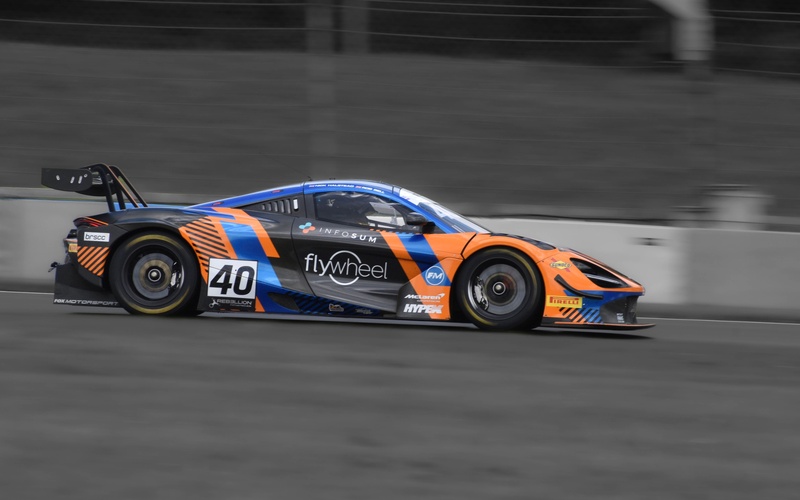
For many amateur and professional race car drivers, the road course is the ultimate test for the driver and the vehicle. It demands the utmost precision and performance to navigate the twists and turns faster than every other car on the track.
Whether you’re beginning your professional racing career or an amateur who wants to maximize the fun of a track day, we can help. Below, our road course racing essentials guide will explain what you need to succeed, from racing gear to performance enhancements for your car and more.
Understanding the Demands of Road Course Racing
Road course racing pushes your car to its limits, combining tight turns, high-speed straights, and intense braking zones. Unlike drag racing or oval tracks, road courses demand a balance of power, agility, and endurance. The unrelenting twists and bends strain every component of your car—from its engine and suspension to its brakes and tires.
Without proper preparation, these continuous demands can lead to serious wear or mechanical failure mid-race. A well-prepared car doesn’t just survive on the track; it thrives. It allows the driver to maintain control, optimize speed, and perform at their best. This is why investing in the right equipment and properly preparing is essential.
The Gear You Can’t Race Without
When it comes to road course racing, having the proper gear ensures both safety and comfort. The helmet is the most critical piece. Choose a Snell-approved racing helmet, as they are rigorously tested for track-level impact resistance.
Pair your helmet with a high-quality racing suit that is flame-resistant and will protect you in the event of a fire. Complete your setup with special racing gloves that offer superior grip and temperature resistance and racing shoes with thin soles that allow for precise pedal control. Together, these items enable better control over your car while keeping you safe, even under extreme conditions.
Selecting the Right Car for Road Course Racing
Choosing the proper car is essential for success in road course racing. Look for a vehicle that balances speed, handling, and reliability. Sports cars or performance models with a low center of gravity, balanced weight distribution, and responsive steering are ideal.
Ensure the car has a robust braking system and sufficient power to handle both straightaways and turns effectively. Finding a suitable sports car with a solid platform for modification is the best way to develop a race car without having to break the bank.
Performance Upgrades That Make a Difference
Once you have the right car, you’ll need to outfit it with performance enhancements to meet the demands of road course racing. A performance clutch, racing brakes, and a performance suspension setup are good places to start with your racer.
Performance Clutches and Flywheels
The clutch and flywheel are integral to your vehicle’s racing performance, and a stock one for street driving won’t cut it on the track. Clutch Masters offers a variety of performance clutch kits and lightweight flywheels that can withstand the high torque and heat of competition.
These upgrades provide a smoother, more responsive driving experience. For instance, our FX series clutch kits deliver enhanced durability and can handle repeated clutch engagement without sacrificing pedal feel.
Racing Brakes
When it comes to the brakes, stock parts won’t hold up well under the intense pressure and demands of road course racing. High-performance brake pads and rotors for track use resist heat-induced fade, ensuring consistent stopping power. Pair these with high-temperature brake fluid to maximize braking efficiency during intense laps.
Suspension Upgrades
Suspension upgrades are crucial for achieving tighter handling, improved cornering, and a more responsive ride overall. Adjustable coilovers or performance shocks allow racers to fine-tune their car’s grip, stability, and ride height to suit various track conditions. By optimizing the suspension system, drivers gain better control during sharp turns, reduced body roll, and enhanced stability at high speeds, giving them the confidence to push their car to its limits.
Performance Tires
Lastly, you’ll need tires that can withstand the intense performance demands of racing without losing their grip. Racing tires enhance traction on the track, improve steering precision, and maximize cornering ability. These tires feature special compounds that provide superior grip under intense conditions, helping drivers maintain control even during aggressive maneuvers.
Prioritizing Safety With Essential Equipment
While performance is obviously essential for road course racing, you’ll also need the right safety equipment to succeed on the track. A well-fitted roll cage is one of the most critical components, as it provides structural integrity and protects you in the event of a rollover or heavy impact. Without it, the risk to the driver increases significantly during accidents.
Equally important are racing seats with proper lateral support, which keeps you stable and secure through sharp turns and aggressive maneuvers. To maximize your safety, pair these seats with a 5- or 6-point harness, which provides superior restraint compared to traditional seat belts. These harnesses distribute forces evenly across your body, helping you withstand high G-forces safely and reducing the risk of injury during sudden stops, collisions, or rapid deceleration.
Vehicle Maintenance for Your Race Car
Preparation doesn’t end with upgrades—it’s the regular maintenance that truly ensures your vehicle is ready for the track. Start by checking all fluids before heading to the course, including engine oil, coolant, and brake fluid. Don’t forget to check the transmission fluid and power steering fluid as well, especially if you’re expecting a demanding track session.
Brake inspections are equally vital before every track day. Check the rotors for cracks, warping, or extreme wear, as these issues can drastically reduce braking efficiency and safety. If you're unsure about their condition, err on the side of caution and replace them.
Tires are the only point of contact between your car and the track, so they require close attention. Inspect them for proper pressure, consistent tread wear, and any visible damage like cuts or bulges.

Preparing for Track Day
A successful track day or race isn’t just about showing up and racing; it’s about preparation. First, ensure your vehicle is in top condition. Give yourself the time to address any last-minute adjustments or repairs. Bring important tools such as a tire pressure gauge, torque wrench, extra fluids, and basic spares.
When arriving at the track, familiarize yourself with the layout and attend a driver’s briefing. During your sessions, warm up your brakes and tires gradually before pushing for faster laps. Consistency is key; overly aggressive driving can lead to premature wear or damage.
Throughout the day, focus on incremental improvements. Small adjustments in braking points or corner entry can make monumental differences without overtaxing your car. Finally, cool down your vehicle after each session to prevent heat-related damage to your engine, brakes, and tires.
Thriving on the Road Course With Clutch Masters
Road course racing is all about preparation, strategy, and skill. Each race offers new lessons, from refining your racing line to optimizing your car’s performance. By building a reliable, high-performance machine and honing your driving abilities, you can progress from amateur to seasoned racer.
Clutch Masters supports your journey with durable, precision-engineered performance clutches and lightweight flywheels for peak performance. Whether you’re gearing up for your first track day or striving to improve lap times, success comes from smart preparation, strategic upgrades, and a focus on safety. The road course awaits—are you ready?