

When a Twin Disc Clutch Becomes Necessary
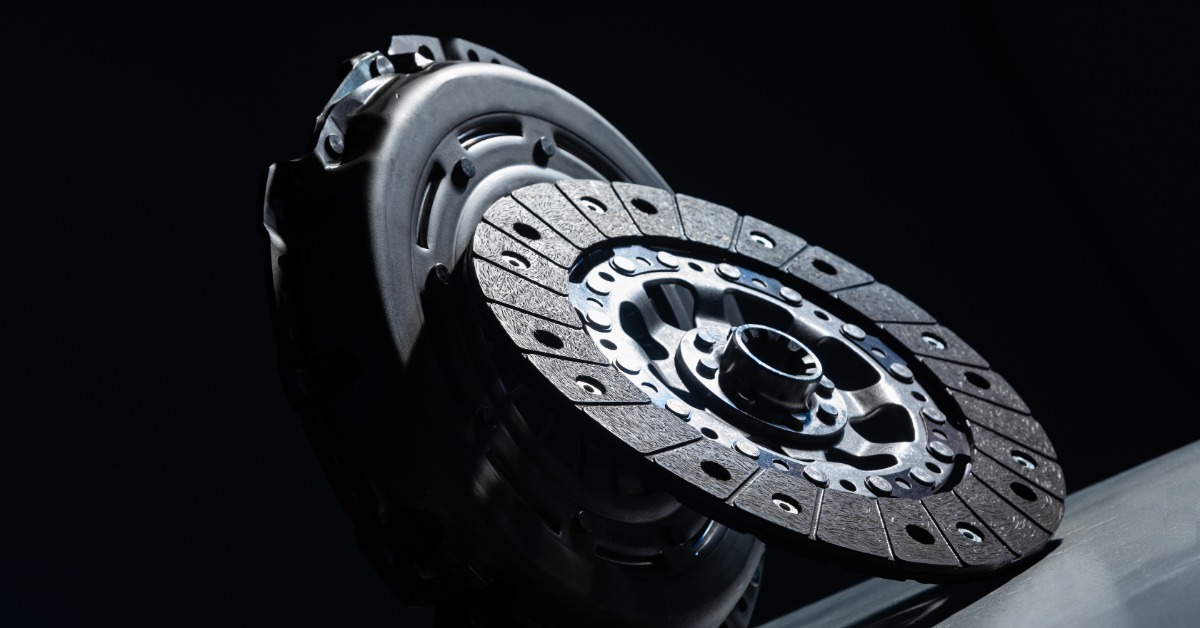
Adding power changes more than just how quickly a car accelerates. The greater the engine torque, the more force the clutch must transfer from the engine to the transmission without slipping, overheating, or wearing prematurely.
For many street cars, a single-disc clutch provides all the holding capacity the vehicle needs. At a certain performance level, however, increasing clamp load or choosing a more forceful friction material can create compromises in drivability. That is when a twin disc clutch becomes necessary.
Why Higher Power Puts More Demand on the Clutch
A clutch transfers engine torque through friction between the disc, pressure plate, and flywheel. When an engine delivers more torque than the clutch can reliably hold, the clutch may begin to slip under heavy load.
Slippage creates heat. That heat can accelerate friction material wear and affect the surfaces that help the clutch maintain consistent engagement. A setup that performs well at factory power levels may therefore struggle after substantial engine modifications.
More clamp pressure can increase holding capacity, but there are practical limits. Excessively increasing pressure plate load can make pedal effort less comfortable and place additional demands on related components.
Torque Matters More Than a Peak Horsepower Number
Drivers commonly discuss clutch upgrades in terms of horsepower, but torque plays a major role in clutch selection. The clutch endures the twisting force being transferred through the drivetrain, particularly during hard acceleration.
Engine modifications can also change where and how that torque arrives. A turbocharged engine that produces a strong midrange torque surge can challenge the clutch differently than an engine that develops its power at higher rpm.
How a Twin Disc Design Increases Capacity
A twin disc clutch uses two friction discs rather than one. Adding another disc increases the total friction surface available to transfer engine torque.
That additional surface area allows the clutch to support substantially more power without relying entirely on extreme clamp loads. Drivers can therefore gain greater torque capacity while preserving characteristics that may be better suited to street use than an extremely aggressive single-disc configuration.
When shopping for twin disc clutch parts, it is important to view the system as a cohesive assembly. Disc material, pressure plate design, flywheel configuration, and other components work together to determine holding capacity and engagement behavior.
More Friction Area Changes the Equation
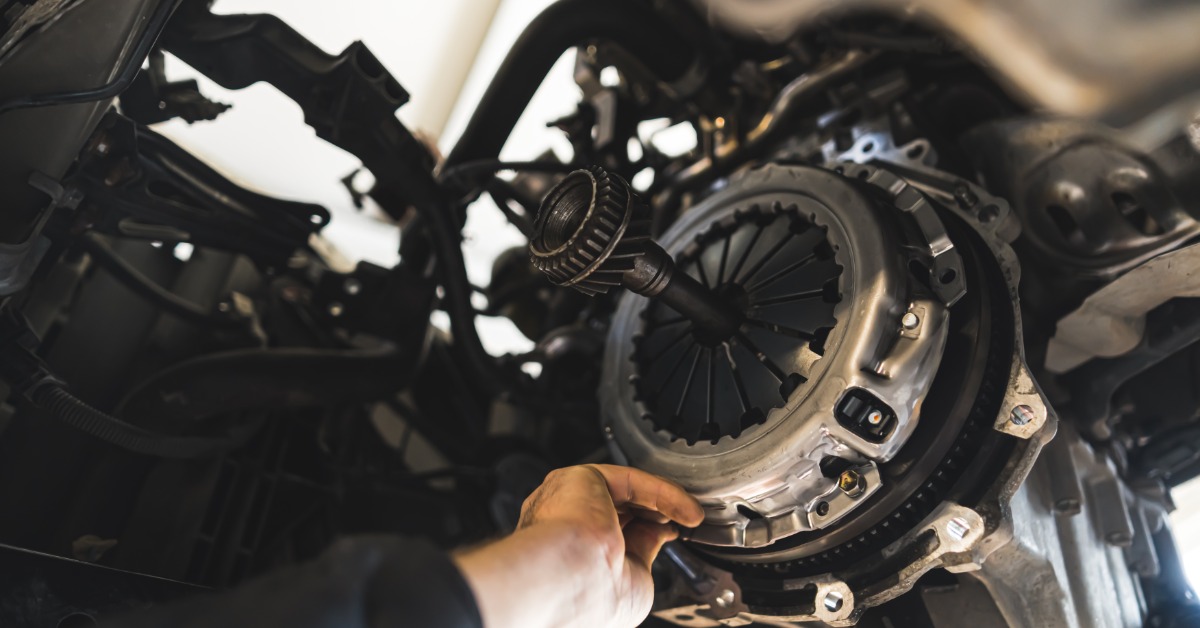
A single-disc clutch features one friction disc between the flywheel and pressure plate. As power increases, manufacturers can increase its capacity through friction materials, clamp load, design, or a combination of these changes.
A twin disc system adds another friction interface. This provides more usable friction area within the clutch assembly and allows the system to distribute the work of transmitting torque across multiple surfaces.
When a Single-Disc Clutch Reaches Its Practical Limit
There is no universal horsepower number at which a twin disc clutch becomes necessary. Vehicle weight, engine torque, tire grip, gearing, clutch design, and application all influence the amount of stress on the system.
A lighter vehicle with moderate traction may place different demands on its clutch than a heavier car running sticky tires at the same engine output. Hard launches can also subject clutch components to loads that ordinary street acceleration does not create.
The right question is not simply how much power the engine makes. Drivers should consider whether a single-disc clutch can provide the necessary capacity while maintaining acceptable engagement and pedal characteristics.
Aggressive Friction Materials Have Tradeoffs
One way to increase a single disc clutch’s capacity is to use a more aggressive friction material. That approach can work well in applications where quick, firm engagement suits the way the owner drivers the vehicle.
The tradeoff is that aggressive materials can produce sharper engagement characteristics. For a street-driven vehicle that sees traffic, parking lots, and frequent low-speed operation, that behavior may become less desirable.
Clamp Load Cannot Increase Forever
Increasing pressure plate clamp load can also help a clutch hold more torque. However, simply continuing to raise clamp pressure is not always the best answer.
Higher clamp loads can increase pedal effort depending on the clutch design and actuation system. They can also change the way the clutch feels during engagement, which matters on vehicles that spend significant time on the street.
Driving Style Can Make Two Discs Necessary
Engine output is only one part of clutch selection. The way a vehicle puts that power to the ground also matters.
A normal street vehicle may place relatively moderate demands on the clutch even if it produces considerably more power than stock. The same vehicle that must perform hard launches, competitive driving, or high-load acceleration can require considerably more capacity.
Traction also matters. Tires that provide more grip allow the drivetrain to transmit greater force instead of simply spinning the tires.
Track Use Raises Thermal Demands
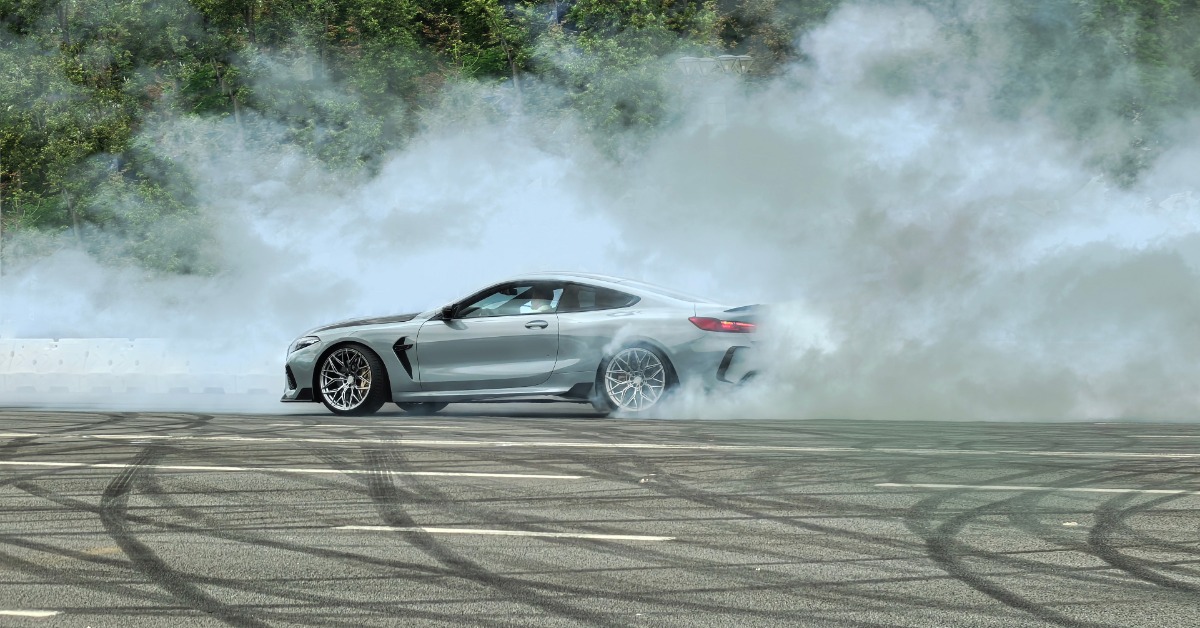
Performance driving adds another concern: heat. Each time a clutch slips during engagement, friction converts energy into heat.
Frequent launches or demanding driving can prevent the clutch from shedding that heat before the next engagement. As temperatures rise, the friction surfaces may become less consistent, and excessive heat can shorten component life.
Using two discs increases the available friction area, helping the clutch handle higher torque loads across multiple surfaces. Choosing a clutch specific to the vehicle’s use remains important because disc count alone does not determine thermal performance.
Street Manners Still Matter
A high-capacity clutch is only useful if it fits the way the driver will operate the vehicle. Maximum holding capacity should not automatically take priority over every other characteristic.
Drivers who regularly commute, encounter traffic, or maneuver at low speeds must consider engagement feel and pedal behavior. A competition-focused clutch may tolerate substantial abuse but feel unnecessarily aggressive in a car that spends most of its time on public roads.
Bigger Is Not Automatically Better
Installing a twin disc clutch on every modified vehicle would add unnecessary cost and complexity. A properly matched single-disc system can be an excellent choice when it provides enough capacity for the engine and intended use.
Clutch selection works best when the setup leaves appropriate capacity for the vehicle without going far beyond what the application requires. Drivers should account for current modifications as well as realistic future upgrades.
Signs It May Be Time to Consider a Twin Disc
A vehicle approaching the practical capacity of available single-disc options is a strong candidate for a twin disc setup. The same applies when achieving the necessary capacity with one disc would require engagement characteristics that no longer fit the vehicle.
Frequent clutch slip under high load also deserves attention, although slip can result from wear, adjustment issues, contamination, or other problems. Drivers should identify the cause rather than assuming that additional clutch capacity will automatically solve it.
Match Disc Capacity to the Application
A twin disc clutch becomes necessary when a single-disc setup can no longer provide the necessary torque capacity without creating compromises. Adding a second disc increases available friction area, giving high-performance vehicles another way to transfer greater engine output while maintaining usable engagement characteristics.
If your build is approaching the limits of a single-disc clutch, contact Clutch Masters to discuss your vehicle, modifications, and intended use. The Clutch Masters team can help you select a clutch setup to handle the demands of your application.