

When Stock Clutch Limits Your Engine Build
Engine modifications can transform the way a car accelerates, responds, and puts power to the pavement. However, adding horsepower and torque also places more demand on stock components. The clutch is one of the first stock drivetrain components that can expose the limits of an otherwise successful engine build.
A factory clutch may work perfectly at stock power levels but struggle once modifications raise torque substantially. Drivers may first notice occasional slipping under hard acceleration or inconsistent engagement at higher loads. Understanding why this happens can help you upgrade the drivetrain before clutch performance holds back the rest of the build.
Why Factory Clutches Have Power Limits
Automakers select clutch components to balance holding capacity, pedal effort, smooth engagement, durability, and production cost. That balance makes sense for a stock vehicle driven under normal conditions. It does not necessarily leave enough reserve capacity for major engine modifications.
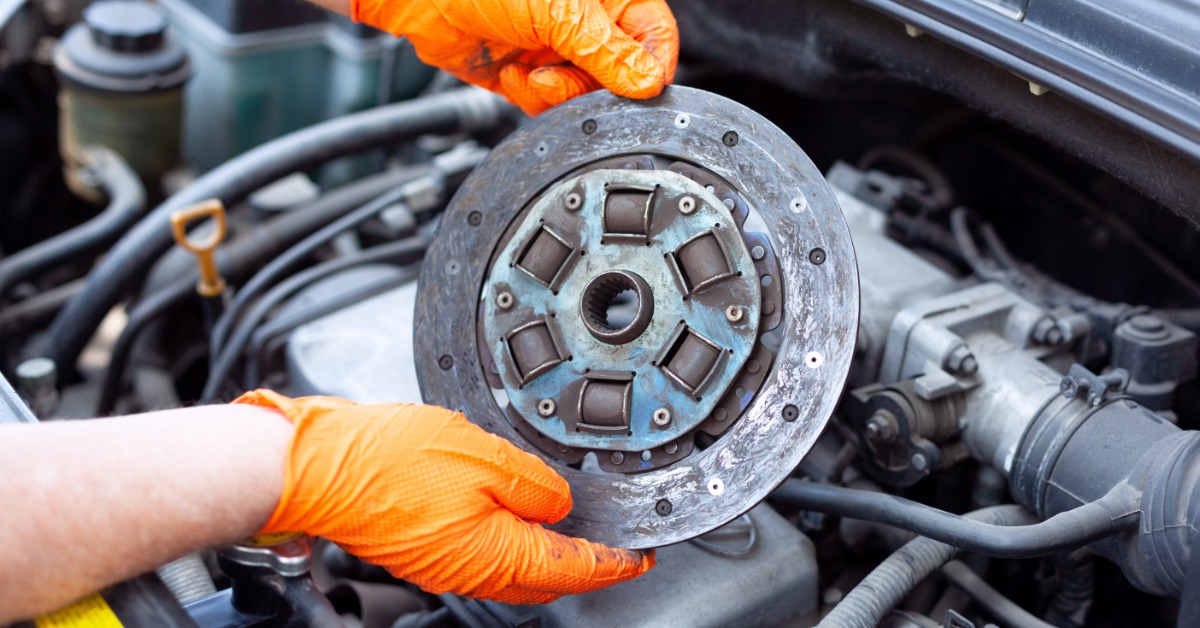
A clutch transfers engine torque through friction between the clutch disc, flywheel, and pressure plate. As engine output rises, the clutch must handle greater force without allowing the disc to slip. Once torque exceeds the system's available holding capacity, the clutch can no longer transfer power consistently.
Torque Creates the Real Challenge
Horsepower receives much of the attention when discussing engine builds, but torque places directly affects the clutch. Modifications that sharply increase torque can expose clutch limitations even when the overall build remains relatively moderate.
Turbocharger upgrades, supercharger systems, tuning changes, and other performance modifications can create significantly more load than factory clutch components can manage. That extra torque becomes especially noticeable during hard acceleration in higher gears.
Signs Your Stock Clutch Is Holding the Build Back
It’s not always immediately apparent when a stock clutch limits your engine build. A factory unit may continue functioning during casual street driving while slipping when the drivetrain sees maximum load. This can make the problem seem inconsistent at first.
A common warning sign is an increase in engine RPM without a matching increase in vehicle speed. The clutch disc begins slipping instead of connecting the engine and transmission. Drivers may notice this behavior during full-throttle acceleration, highway pulls, or other high-load situations.
Engagement Can Change as Heat Builds
Slipping produces heat at the friction surfaces. As temperatures rise, the clutch may become less consistent, particularly if frequent acceleration runs give the system little time to cool.
Heat can also accelerate wear on friction materials. A clutch that initially slips only during demanding driving may gradually begin showing symptoms under lighter loads as the friction surfaces deteriorate.
A Worn Clutch Has Even Less Reserve Capacity
Mileage also matters. A factory clutch with significant use may already reduce holding ability before new engine modifications enter the picture.
Adding more torque to a partially worn clutch can expose that reduced capacity very quickly. In these situations, replacing the clutch is not simply about supporting future performance. The existing component may already be near the end of its useful service life.
Matching the Clutch and Engine Build
Selecting an upgraded clutch requires more than choosing the highest-rated option available. The clutch should match the vehicle's actual power output, application, and driving characteristics.
A street car needs different behavior than a track vehicle. Aggressive friction materials and greater clamping force can provide greater holding capacity, but those characteristics may also change engagement feel and drivability. A properly matched setup supports the engine without making the car unnecessarily difficult to drive.
When evaluating the complete rotating assembly, components from reputable aftermarket flywheel manufacturers can also play a role in creating a setup suitable for the build. Flywheel design affects rotating mass, engagement characteristics, heat management, and compatibility with the clutch assembly.
Consider How You Drive the Vehicle
Vehicles with similar engine output may need different clutch setups because they serve different purposes. A vehicle that spends most of its time commuting needs predictable engagement in traffic. A car built primarily for competition can prioritize performance characteristics differently.
Driving style also changes clutch demand. Hard launches, frequent acceleration, and aggressive shifting place more stress on friction surfaces than normal street use. Matching components to real operating conditions helps create a drivetrain that performs consistently.
Why More Clamping Force Is Not the Only Answer
It can be tempting to assume that a stronger pressure plate solves every clutch limitation. However, clutch performance depends on the entire assembly working together.
Disc material, friction surface area, pressure plate design, and heat capacity all influence how well a clutch handles increased output. Simply increasing one factor without considering the rest of the system can produce a setup that performs poorly for its application.
Friction Material Changes Engagement
Different friction materials create different combinations of holding ability, heat resistance, and engagement behavior. Some materials provide smooth modulation that suits street driving, while more aggressive compounds can support demanding performance applications.
The right choice depends on how much torque the engine produces and how the owner will drive the vehicle. Selecting a clutch around realistic operating conditions provides better results than choosing parts for only the most aggressive specification.
When a Multi-Disc Clutch Makes Sense
As torque rises, increasing capacity with a single clutch disc becomes more challenging. Manufacturers can increase clamping force or use more aggressive materials, but those changes can affect pedal effort and engagement characteristics.
A multi-disc design provides additional friction surface area without requiring the same approach as an increasingly aggressive single-disc setup. This configuration can support higher torque levels while giving manufacturers more flexibility in how they balance capacity with drivability.
High-Power Builds Need a System Approach
A clutch upgrade should not exist in isolation. The flywheel, pressure plate, clutch discs, release components, and hydraulic system all influence how the drivetrain behaves.
The quality of the parts don’t matter if the installation is subpar. Correct hardware, proper torque procedures, compatible components, and accurate adjustment help the clutch perform to its capacity.
Plan the Clutch Before the Stock Unit Fails
Waiting until the original clutch begins slipping can leave the vehicle unable to use the power its engine already produces. Considering clutch capacity while planning engine modifications creates a more complete build.
This approach also gives you time to evaluate how much power the car will make rather than purchasing a clutch for the current setup and replacing it again after another round of modifications. Choosing components around the finished configuration can reduce unnecessary drivetrain changes.
Build the Drivetrain to Support the Engine
An engine build can only deliver its full potential when the drivetrain can transfer that power effectively. Once additional torque exceeds the capability of the factory clutch, slipping, excess heat, and accelerated wear can prevent the car from performing as intended.
Choosing a clutch setup that matches engine output and vehicle use helps create a more dependable performance package. If your engine modifications are pushing beyond the limits of the stock clutch, contact Clutch Masters to discuss a clutch and flywheel setup suited to your vehicle and build.