

When to Upgrade Your Flywheel for Performance Gains
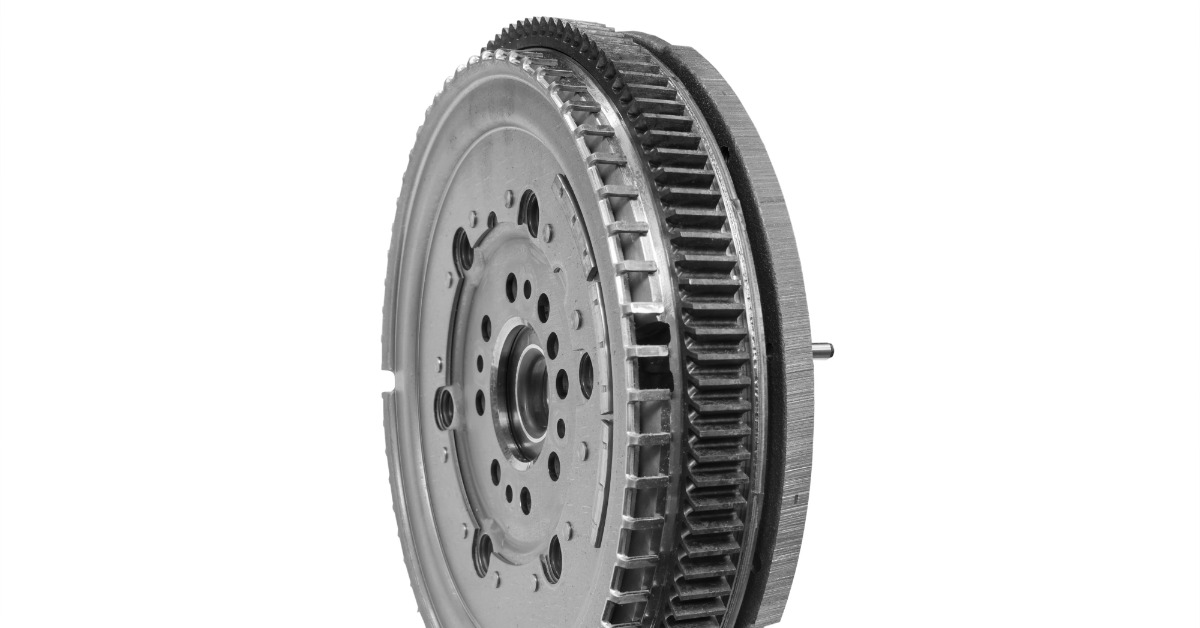
Drivers looking for more responsive performance usually start with upgrades that add power. Intake changes, exhaust components, tuning, and forced induction can all change how an engine performs. However, improving how quickly the engine responds can also make a noticeable difference behind the wheel.
The flywheel plays an important role in that response. Changing its weight can alter how quickly the engine gains and loses rpm, which affects acceleration, shifting, and drivability. Before replacing the factory unit, drivers should understand when to upgrade their flywheel for performance gains, and what tradeoffs may come with the change.
What a Flywheel Does During Acceleration
The flywheel bolts to the engine's crankshaft and rotates whenever the engine runs. Its mass helps maintain rotational momentum, which contributes to smooth engine operation and consistent power delivery between combustion events.
A heavier flywheel stores more rotational energy. That stored energy can make launching from a stop easier and help stabilize engine speed during normal driving. The added mass also requires more energy to accelerate, however, which can make the engine feel slower to respond when the driver presses the throttle.
Why Rotating Mass Matters
Every rotating component requires energy to accelerate. Reducing mass in the rotating assembly can decrease the amount of energy necessary to change engine speed.
That does not mean a flywheel upgrade adds horsepower in the same way that engine modifications might. Instead, reducing flywheel mass changes how quickly the engine can respond to the power it already produces.
When Lower Rotating Mass Can Improve Performance
A lightweight flywheel can make sense when quicker engine response matters more than retaining the behavior of the factory drivetrain. With less rotating mass attached to the crankshaft, the engine can climb through the rpm range more quickly. The engine can also shed rpm faster when the driver lifts off the throttle.
Those characteristics can make a performance-oriented vehicle feel sharper and more immediate. When upgrading a flywheel for performance gains, drivers will notice the difference during hard acceleration, rapid shifts, or situations where engine speed changes repeatedly.
You Want Faster Throttle Response
Throttle response describes how quickly an engine reacts when the driver changes accelerator input. Flywheel mass contributes to that sensation because the engine must accelerate the flywheel along with the rest of the rotating assembly.
Reducing that mass can help the engine respond more quickly. The improvement may be particularly appealing in cars built for spirited street driving, autocross, or track use, where rapid changes in engine speed are common.
You Are Building a Track-Focused Car
Track driving places different demands on a drivetrain than commuting. Drivers spend more time moving through the upper rpm range and making quick gear changes, so rapid engine response can become more valuable.
An aggressive reduction in flywheel weight may make sense in that environment.
When a Flywheel Upgrade Makes Sense With a New Clutch
Clutch replacement creates a practical opportunity to evaluate the flywheel at the same time. Both components work together at the clutch friction surface, so accessing one generally means working in the same area of the drivetrain.
If a driver already plans to install a performance clutch, pairing it with a compatible performance flywheel can create a more cohesive setup. Compatibility matters because some aftermarket flywheels work only with particular clutch configurations.
Replacing a Dual-Mass Flywheel
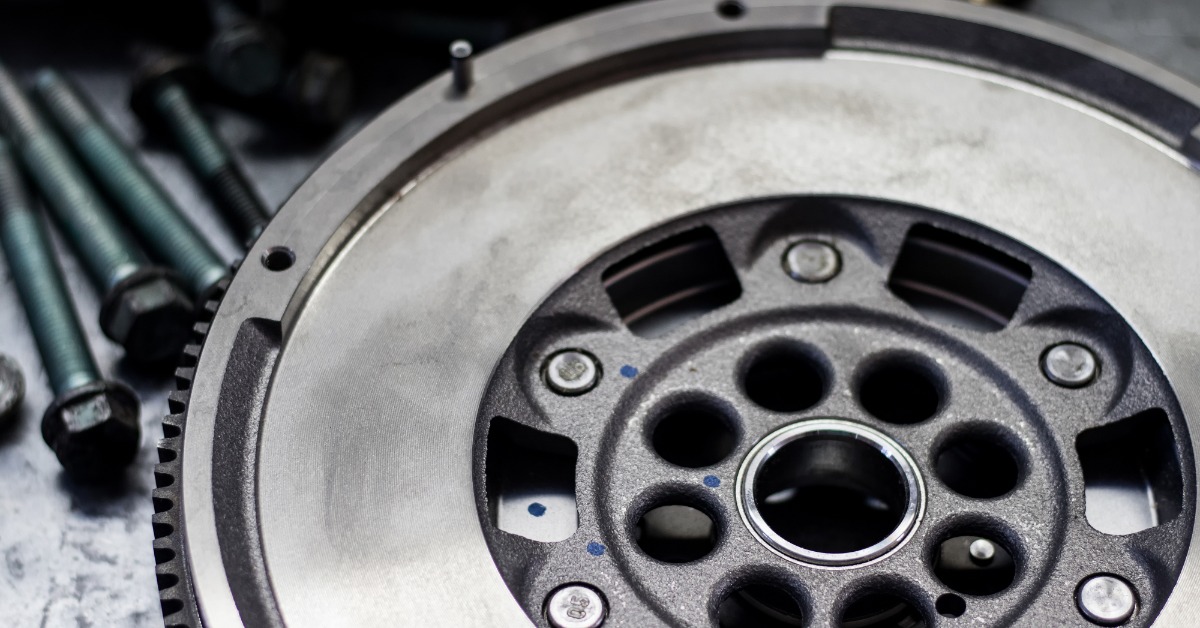
Some vehicles use a dual-mass flywheel from the factory to isolate drivetrain vibration and reduce noise. A performance upgrade may replace that design with a single-mass unit.
This change can reduce rotating mass and create a more direct drivetrain feel, but it may also allow more vibration or gear noise to reach the cabin. Drivers should evaluate that tradeoff before choosing a conversion, particularly when the vehicle spends most of its time on public roads.
Choosing Between Steel and Aluminum
Flywheel material influences weight, driving characteristics, and the way a vehicle behaves in daily use. Steel and aluminum options can both support performance applications, but they serve different priorities.
The correct choice depends on how the driver uses the vehicle. A competition car has different requirements than a street car that encounters traffic, parking lots, and frequent low-speed starts.
Steel for Street Performance
A performance steel flywheel can reduce mass while retaining more rotational inertia than a very light aluminum version. That balance can produce quicker engine response without making low-speed driving as demanding.
For that reason, steel can suit drivers who want a noticeable performance change while keeping the vehicle comfortable enough for regular road use.
Aluminum for More Aggressive Builds
Aluminum allows manufacturers to remove substantially more weight. The resulting reduction in rotating mass can provide sharper engine response, which makes the material appealing for competition-focused vehicles.
The tradeoff can become more apparent during everyday driving. Lower rotational inertia can require more careful clutch and throttle control when pulling away from a stop, while additional drivetrain noise may enter the cabin. Drivers choosing an aluminum design should consider whether those changes fit the way they use the car.
Signs You May Not Need a Lighter Flywheel
Not every performance build benefits from removing as much flywheel mass as possible. A commuter car may benefit more from smooth engagement and predictable low-speed behavior than extremely quick rpm changes.
The same principle applies to drivers who prioritize quiet operation. Because reducing flywheel mass can increase audible gear noise in some applications, retaining more flywheel weight may provide a better match for a street-focused car.

Consider the Entire Drivetrain Setup
Flywheel selection should not happen in isolation. Engine output, clutch type, transmission characteristics, vehicle use, and driver preference all affect which setup makes sense.
A component that works well in a dedicated race car may feel unnecessarily aggressive on a daily driver. Matching the flywheel to the rest of the drivetrain helps produce performance gains without creating compromises that reduce enjoyment behind the wheel.
What to Consider Before Upgrading
Start by deciding where and how the vehicle spends most of its time. A weekend track car can tolerate different compromises than a vehicle that handles a daily commute.
Next, confirm compatibility with the clutch and transmission. Flywheel dimensions, clutch design, and application requirements must work together. Choosing parts as a complete system reduces the chance of ending up with components that do not suit one another.
Finally, consider how much change you actually want. A moderate reduction in rotating mass can sharpen response while preserving street manners, while an ultra-light configuration may favor competitive driving.
Choose a Flywheel That Fits the Build
Upgrading a flywheel can make an engine feel more responsive by reducing the rotating mass it must accelerate. For performance drivers, that change can translate into quicker revs and a more immediate connection between throttle input and engine response.
The right setup depends on the vehicle and how you drive it. Street cars may benefit from a performance steel design, while more aggressive applications may justify an aluminum option with a greater reduction in weight.
If you are considering a flywheel upgrade, explore Clutch Masters' performance flywheel options and select the components for your specific vehicle and clutch setup. The right combination can improve response while keeping the drivetrain suited to the way you use your car.