

Heat Soak Issues in Hydraulic Clutch Systems
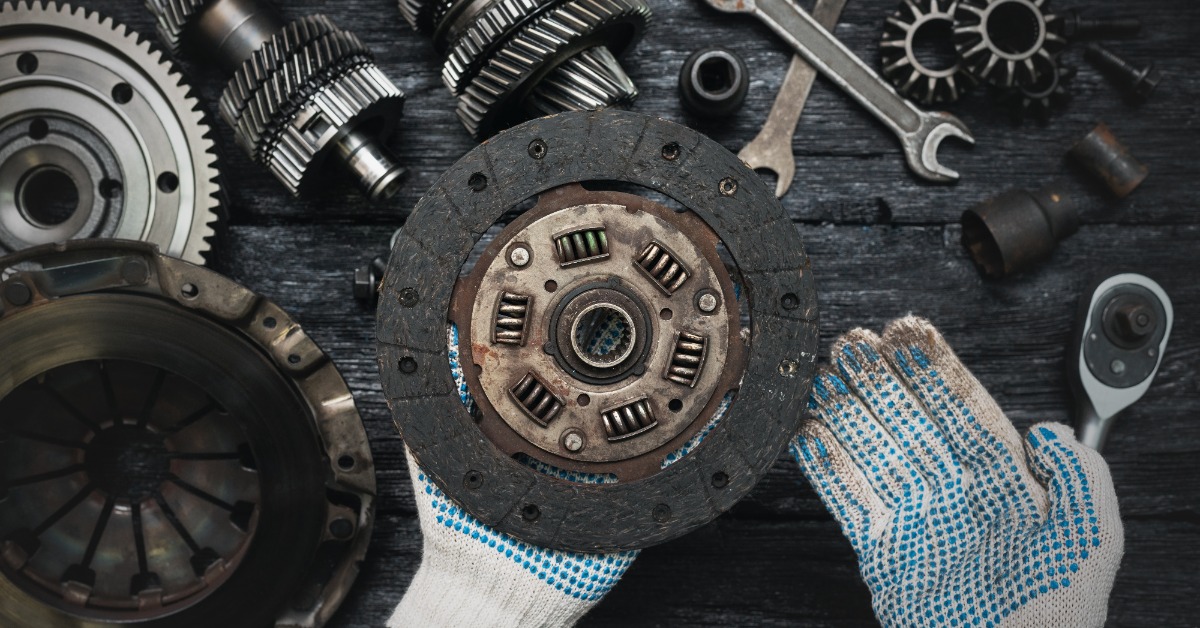
A hydraulic clutch system depends on consistent fluid pressure to transfer pedal movement into clutch engagement and release. When excessive heat reaches the hydraulic components, that consistency can disappear. The pedal feels off, engagement can become unpredictable, and shifting may become more difficult as temperatures rise.
Automotive experts generally refer to this phenomenon as “heat soak.” It can develop during demanding driving, frequent clutch operation, or any situation that exposes hydraulic components to sustained heat. Understanding where heat soak issues in hydraulic clutch systems come from can help drivers identify problems before they affect drivability or damage surrounding components.
What Heat Soak Means in a Clutch System
Heat soak occurs when components absorb more heat than they can quickly and safely release. Underhood temperatures rise during extended driving, while the transmission, clutch assembly, and exhaust system add more heat to the surrounding area.
Every clutch engagement adds some heat to the surrounding drivetrain. As temperatures build, nearby hydraulic components can absorb part of that heat, especially in tightly packaged areas with limited ventilation. After the vehicle slows down or comes to a stop, reduced airflow can keep those components hot for longer than expected.
Why Hydraulic Components React to Heat
A hydraulic clutch relies on fluid moving through a closed system. The master cylinder creates pressure, and that pressure travels to the slave cylinder or release bearing.
Heat can change how the fluid, seals, and surrounding components behave. If temperatures climb far enough, the system may no longer transfer pedal input with the same consistency. The result can feel like a clutch problem even when the friction disc itself still has usable material.
Where Heat-Related Clutch Problems Start
Drivers searching for a hydraulic clutch for sale may assume that replacing a single component will correct an inconsistent pedal. Before replacing parts, it helps to first verify the origin of the heat soak issue in the hydraulic clutch system.
Hydraulic lines can run near exhaust components, engine surfaces, or other major heat sources. Limited airflow in a crowded engine bay may compound that exposure. Vehicle modifications can also change the thermal environment if new exhaust routing, turbocharger components, or other upgrades place additional heat near clutch hydraulics.
Hydraulic Fluid Can Lose Consistency
Clutch fluid must maintain predictable hydraulic behavior across a wide temperature range. Excessive temperature can reduce that consistency, especially if there is moisture in the fluid, or it’s been too long since the last fluid service.
Moisture lowers the fluid’s effective boiling resistance. If temperatures become extreme, vapor can form inside the system. Unlike hydraulic fluid, vapor compresses, so pedal movement may no longer translate directly into movement at the release mechanism.
Seals Also Face Thermal Stress
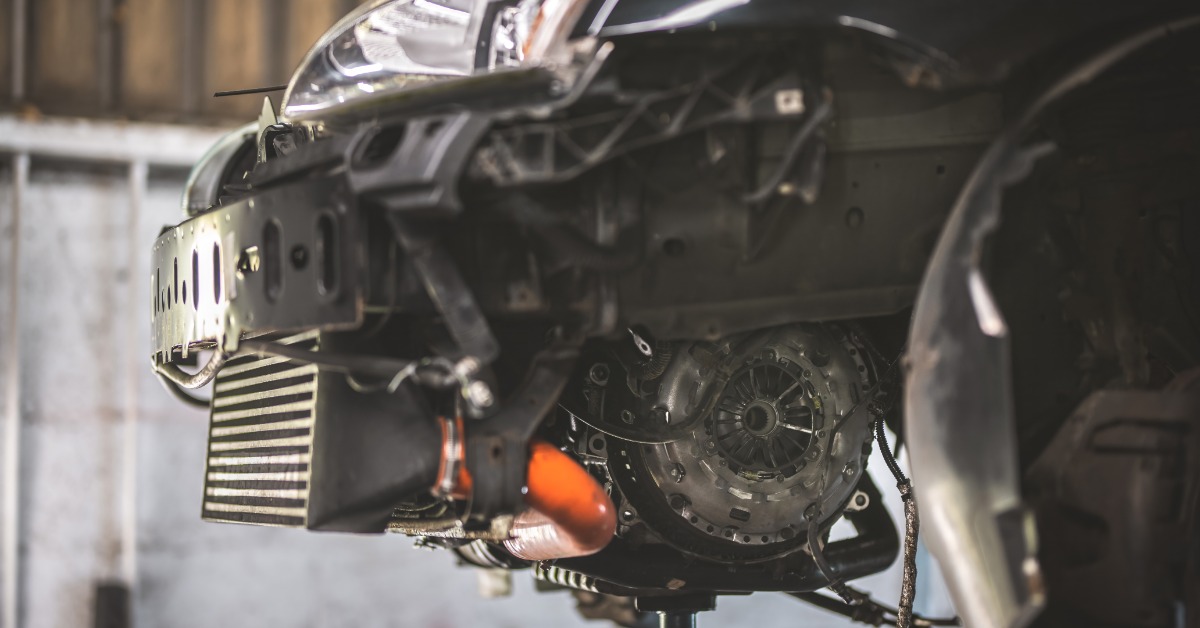
Master cylinders, slave cylinders, and concentric release bearings use seals to contain pressure. Frequent exposure to excessive heat can accelerate seal wear and contribute to leaks or internal pressure loss.
A seal does not need to fail completely before the driver notices a change. Small changes in sealing performance can affect pedal response, particularly when the system is hot. If the pedal behaves normally when cold but changes after extended driving, heat deserves attention during diagnosis.
Common Signs of Hydraulic Heat Soak
Heat-related hydraulic problems can resemble several other clutch issues. The timing of the symptoms provides an important clue. Drivers may notice:
- A softer or less consistent clutch pedal after the vehicle heats up
- Difficulty selecting gears during extended driving
- A clutch that releases at a different pedal position when hot
- Pedal response that improves after the vehicle cools
- Insufficient clutch disengagement despite normal operation when cold
These symptoms do not prove that heat soak is the cause. Trapped air in the system, worn components, fluid leaks, clutch wear, or installation issues can create similar behavior. Diagnosis should consider the entire release system rather than focusing on temperature alone.
Why Performance Driving Can Increase Heat Exposure
Performance driving places more thermal demand on several vehicle systems at the same time. Higher engine loads create more exhaust heat, while frequent shifting keeps the clutch and hydraulic system active.
Traffic can create a different version of the same problem. Frequent clutch use creates intense movement and friction, while low vehicle speed reduces cooling airflow through the engine and transmission area. A vehicle may therefore develop heat-related symptoms during slow driving even if it performs normally at highway speed.
Diagnosing Heat Soak Before Replacing Parts
A cold inspection may not reveal a problem that appears only after the vehicle reaches operating temperature. Drivers and technicians should pay attention to when the symptoms begin and whether they disappear after cooling.
Start by inspecting fluid condition and checking for leaks. Next, examine hydraulic lines for proximity to exhaust components or other concentrated heat sources. The master cylinder, slave cylinder, release bearing, and connection points should also receive attention.
Compare Cold and Hot Pedal Behavior
Pedal feel can provide useful diagnostic information. If engagement remains consistent when the vehicle is cold but changes after long or intense driving, temperature may influence hydraulic performance.
Testing should be repeatable and controlled. Random pedal changes at all temperatures may point toward air in the system, mechanical wear, or another fault. A clear connection between temperature and pedal behavior makes thermal conditions more relevant to the diagnosis.
Reducing Heat Around Clutch Hydraulics
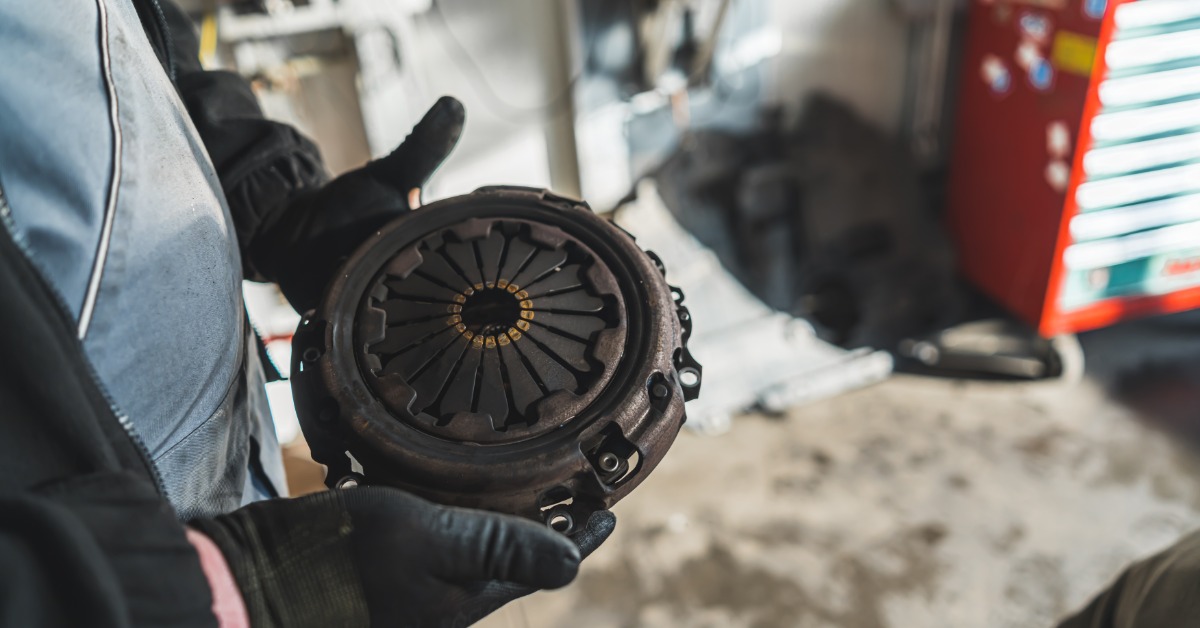
Effective heat management starts with the source. If a hydraulic line runs too close to an exhaust component, increasing separation may reduce the amount of thermal energy reaching the fluid.
Heat shielding can also help in applications with limited routing options. Any protective measure should suit the vehicle, surrounding temperatures, and component layout.
When Heat Soak Points to a Larger Issue
Heat soak can expose a component that is already too old or worn to function properly. A marginal seal may hold pressure when cold but struggle as temperatures rise. Old fluid may perform acceptably during short trips yet become inconsistent during demanding use.
Heat-related symptoms can also indicate an installation or routing problem. If a vehicle develops hydraulic issues immediately after exhaust, drivetrain, or clutch work, inspect the modified area closely.
Do Not Ignore Repeated Pedal Changes
A pedal that repeatedly becomes soft, sticks, or changes engagement position deserves inspection. Continuing to drive with incomplete clutch release can make shifting difficult and may place additional stress on transmission components.
The cause may be simple, or it may involve several parts of the system. Identifying the source early gives the driver a better chance of correcting the issue before it becomes a larger repair.
Keep Clutch Hydraulics Consistent Under Heat
A hydraulic clutch system needs stable pressure to provide predictable engagement and release. Excessive heat can disrupt that consistency by affecting fluid performance, seals, and other hydraulic components. The pattern of the symptoms, especially the difference between cold and hot operation, can help narrow the diagnosis.
If your clutch pedal changes as temperatures rise or your performance setup needs hydraulic components that match the vehicle’s application, contact Clutch Masters. The team can help you identify suitable clutch and hydraulic parts for your vehicle and driving demands.