

Which Clutch Material Is Right for Your Vehicle?
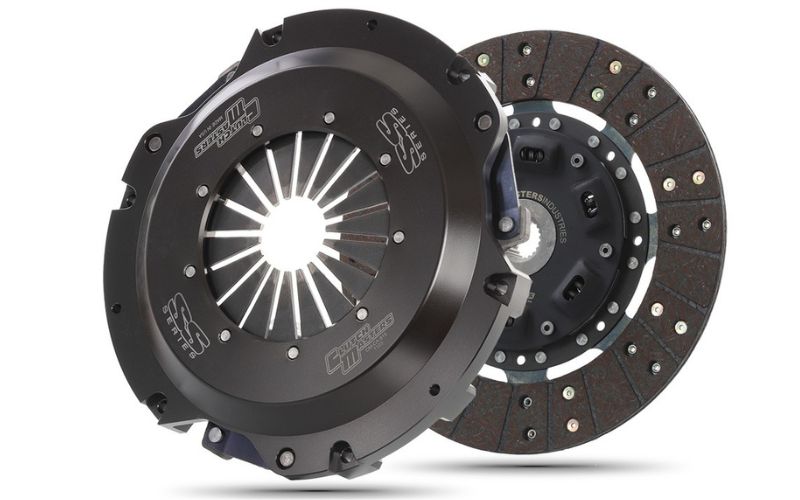 The clutch is the unsung hero of your vehicle, tirelessly managing the connection between your engine and wheels to ensure smooth power delivery. However, there are many factors that determine the functionality and performance of your vehicle’s clutch, including its material. Selecting the right clutch material can meaningfully impact your overall driving performance, especially in demanding scenarios like track days or competitive racing.
Each common clutch material offers unique properties, and understanding them is essential for making the best choice for your car and driving goals. In this guide, we’ll help you determine which clutch material is right for your vehicle by breaking down typical options, their pros, cons, best use cases, and more.
The Importance of Clutch Material in Your Vehicle
Some drivers may think that all clutch materials are practically the same, but deciding between the available options is a crucial consideration when selecting a clutch for your vehicle. The material directly affects engagement smoothness, heat resistance, durability, and performance under stress. A poor pairing between clutch material and driving requirements can cause premature wear, overheating, or even clutch failure.
Choose correctly, and you'll enjoy better performance, less maintenance, and a clutch system that meets the demands of your driving style. The variety of available clutch materials ensures there’s a suitable option for every need, from standard road use to high-performance racing.
Overview of Common Clutch Materials
When considering clutches for your vehicle, you have a suite of typical choices at your disposal: organic, ceramic, Kevlar, and metallic. Each option provides advantages and drawbacks for cars due to the unique composition of their material.
Organic Clutch Materials
Organic clutch materials are the standard option you'll find in most vehicles. Organic clutches contain a mix of materials such as resin, fiberglass, and rubber. They offer a combination of performance and affordability.
Pros
The primary advantage of organic clutches is their smooth engagement and excellent drivability. They are ideal for daily commuter vehicles, where low noise and comfortable operation are priorities. Organic materials also tolerate moderate heat, making them suitable for light towing and occasionally spirited driving.
Cons
While generally smooth and drivable, organic clutches struggle under extreme conditions. High-performance driving can generate excessive heat, causing fading and quicker wear. If you're frequently competing on the track or using forced induction, organic clutches may not be robust enough for your vehicle.
Best Use Cases
Organic clutches are perfect for commuter cars, light-duty trucks, and entry-level performance builds. If you want reliable support for your daily drive without breaking the bank, this material is a great choice.
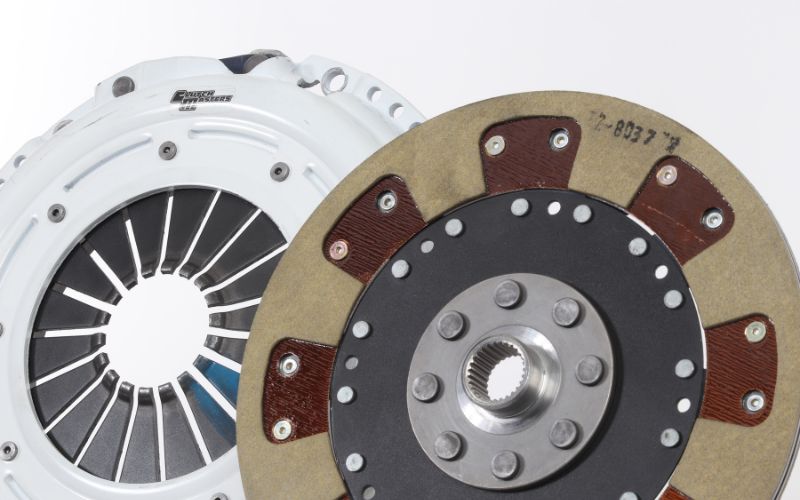
Ceramic Clutch Materials
Ceramic clutches are a step up in terms of durability and heat resistance. These clutches have high-performance use in mind, and their materials can handle greater abuse compared to their organic counterparts.
Pros
These clutches shine under extreme conditions, providing excellent durability, greater torque capacity, and resistance to heat fade. Ceramic clutches are favorites among racers who demand maximum performance during competitions.
Cons
The downside to a ceramic clutch is a more abrupt engagement, which can make them less comfortable for everyday driving. Furthermore, the hardness of ceramic material contributes to faster wear on other clutch components, such as the flywheel or pressure plate.
Best Use Cases
Ceramic clutches are best for high-horsepower builds, track cars, and situations where durability under stress is non-negotiable. For drag racers or committed track enthusiasts, ceramic delivers unmatched reliability.
Kevlar Clutch Materials
While many of us may think of bulletproof vests when we imagine Kevlar, it also has an automotive application as a clutch material. Kevlar clutches offer a brilliant balance between durability and smoothness. Known for its strength and heat resistance, Kevlar is a premium choice for those looking to push their vehicles while maintaining some level of comfort.
Pros
Kevlar clutches are incredibly durable and able to handle high heat levels without fading. They also offer smooth engagement, like organic materials, with far greater longevity. Drivers appreciate the smaller chance of overheating and the greater lifespan of these clutches.
Cons
While impressive, Kevlar clutches aren’t perfect. These clutches take a bit longer to break in and may come at a higher price tag. They’re not typically ideal for drag racing or extremely aggressive driving styles, where rapid engagements are more common.
Best Use Cases
Kevlar is a great fit for high-performance street builds, SUVs towing heavy loads, or vehicles racing in endurance competitions. If you’re after longevity with moderate performance, Kevlar strikes the perfect balance.
Metallic Clutch Materials
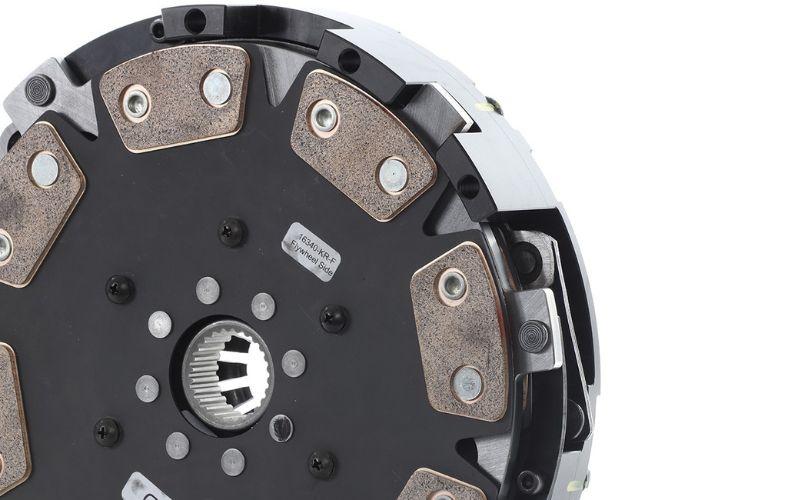
Metallic clutches are best for extreme applications. This heavyweight clutch features sintered iron or other high-strength metals to provide the ultimate performance for serious racers and heavy-duty equipment.
Pros
Metallic materials handle heat better than any other option, making them resilient in the face of extreme torque and prolonged high-stress usage. They provide sharp and direct engagements, which are invaluable for competitive motorsports.
Cons
This sharp engagement, however, makes them less forgiving. Metallic clutches are loud, harsh, and prone to causing higher wear on drivetrain components. They’re not built for comfort but for pure, unyielding performance.
Best Use Cases
Metallic clutches excel in professional racing, off-road vehicles, and scenarios where every ounce of holding power matters. For those who value uncompromising performance over comfort, this is the optimal choice.
How To Choose the Right Clutch Material
Now that we’ve reviewed the available clutch materials, which is right for your vehicle? To determine that, you’ll first need to assess your driving style, consider your vehicle’s power output, and evaluate your available budget.
Assess Your Driving Style
The first thing to consider is your driving style and the application of your vehicle and the clutch. Are you commuting daily, hitting the track, towing heavy loads, or competing in aggressive conditions? Each driving scenario requires specific clutch characteristics to perform optimally.
Consider Your Vehicle’s Power Output
Next, weigh the performance qualities of the vehicle and its power output. High-torque engines generate more stress and heat, so you’ll need a clutch material that can handle these demands. To ensure compatibility, consult a trusted automotive professional or supplier for guidance.
Factor in Your Budget
Lastly, you can’t forget about the budget for this modification. High-performance materials like Kevlar and metallic are excellent for extreme conditions but tend to have higher upfront costs. Be sure to weigh these costs against factors like lifespan and maintenance to determine your long-term investment.
Find Your Ideal Racing Clutch at Clutch Masters
Choosing the right clutch is an essential step in optimizing your vehicle's performance, reliability, and drivability. If you need a high-performance racing clutch for your car, look no further than Clutch Masters Industries.
As superior aftermarket flywheel manufacturers, we understand every aspect of a clutch and know how to create parts that maximize performance and resiliency in intense racing applications. Explore our extensive range of racing clutches and components to enhance your vehicle today.