

How To Interpret Clutch Torque Ratings Correctly
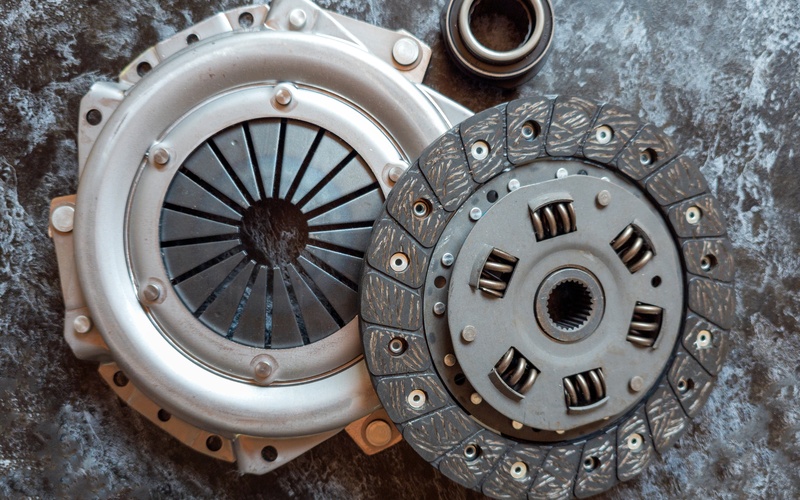
Clutch torque ratings sound simple: a clutch “holds” a certain amount of torque. In real builds, that number can feel confusing because drivers expect one rating to cover every engine, tune, tire, and driving style. You can avoid expensive guesswork if you learn what the rating represents, what it does not represent, and how your setup changes the real demand on the clutch. Below, we’ll explain how to interpret clutch torque ratings correctly, and more.
What A Torque Rating Means
A clutch torque rating describes the maximum torque a clutch can transmit at the crankshaft under controlled conditions before it starts to slip. Manufacturers calculate or validate that rating using a specific clamp load, friction material, disc design, and test method. The rating reflects the clutch’s ability to hold power, not the power your engine makes on a dyno chart.
Most importantly, torque ratings assume stable engagement conditions. Real-world driving adds heat, shock, and inconsistencies that can push a clutch past its “paper” number.
Why Torque Is the Number That Matters
Horsepower gets the attention, but torque applies the twisting force that tries to spin the clutch against the flywheel. A high-horsepower build can still slip a clutch if it produces big torque in the midrange, especially with boost or aggressive timing.
Torque at the crank matters most for clutch holding power. Wheel torque helps you understand what you feel on the street, but drivetrain losses, gear multiplication, and traction changes can distort the picture.
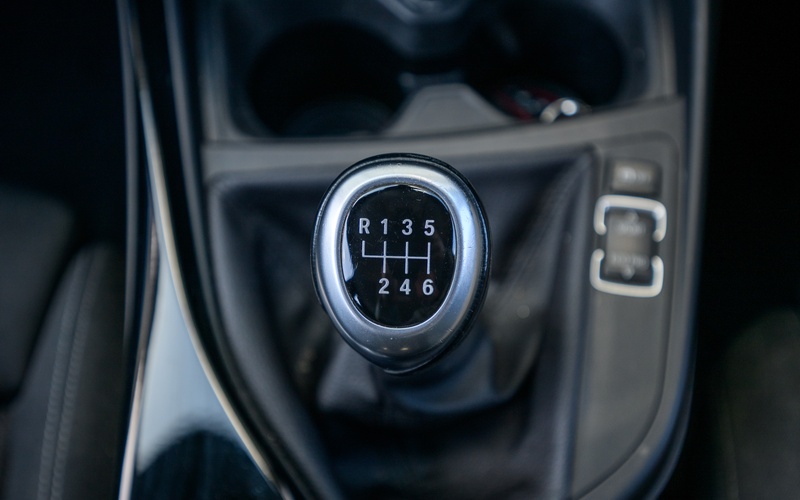
The Hidden Variables That Change Real Holding Capacity
Heat Changes Friction Fast
Clutches do not hold the same torque at every temperature. Repeated launches, stop-and-go traffic, and hard pulls build heat in the disc and pressure plate. As the temperature rises, the friction characteristics change, and the clutch can slip at a lower torque than the advertised rating. If you plan to drag race, road race, or tow, you should treat the rating as a starting point, not a guarantee.
Driving Style Creates Shock Load
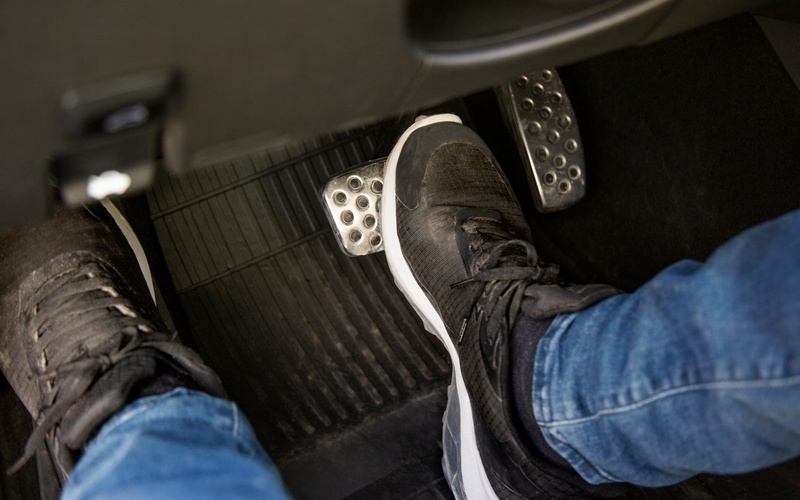
Torque ratings typically assume a smooth application of load. Hard launches, clutch kicks, flat-foot shifting, and aggressive downshifts introduce shock load that spikes beyond the steady torque value. That spike can exceed the clutch’s capacity even if your peak engine torque sits below the rating.
Tires And Grip Increase Demand
More grip forces more load through the clutch. Sticky tires, a prepped surface, and an upgraded suspension can expose clutch weakness that never showed up on street tires. When traction improves, the clutch becomes the next fuse.
Gearing Multiplies What the Clutch Feels During Engagement
The clutch sits between the engine and the transmission, so it “sees” engine torque at the crank. Even so, gearing changes how quickly the load applies during engagement. Short gearing can hit the clutch harder during launches because the drivetrain accelerates quickly and hooks abruptly.
Flywheel Design Influences Engagement Behavior
Flywheel mass and friction surface affect how smoothly torque transfers. A lighter flywheel can sharpen throttle response but may make engagement more abrupt, which can increase shock load in certain situations. A worn or improperly surfaced flywheel can also reduce effective friction and cause chatter or slip.
If you compare options from aftermarket flywheel manufacturers, pay attention to friction surface materials, recommended disc pairing, and resurfacing requirements because those details influence how consistently the clutch holds.
Common Rating Terms and What to Do with Them
“Max Torque” Is Not a Universal Promise
Some brands publish a single “max torque” rating. Others publish separate ratings for street use and race use, or they note a safety margin. You should always ask what the rating assumes: boost curve, usage type, and break-in procedure.
Crank Torque Versus Wheel Torque
Use crank torque when selecting a clutch. If you only know wheel torque, convert it using an estimated drivetrain loss, but stay conservative. Automatic transmissions, AWD systems, and drivetrain upgrades can change losses, so treat conversions as rough guidance.
Single-Disc Versus Twin-Disc Ratings
Twin-disc clutches usually hold more torque with manageable pedal effort because they increase the friction area. That does not mean every twin-disc behaves the same. Disc diameter, friction material, floater design, and pressure plate characteristics all shape how the clutch engages and how it handles heat.
If you want a clutch that holds high torque without a brutal pedal, a properly matched twin-disc setup can make sense. If you prioritize simplicity and daily drivability at moderate torque, a well-chosen single-disc can still be the right call.
How To Choose the Right Clutch Rating for Your Build
Now that we understand how to interpret clutch torque ratings correctly, we can move on to selecting the right clutch for your vehicle. Below, we’ll take you step-by-step through the selection process to find the ideal clutch for your car.
Step 1: Start With Realistic Peak Crank Torque
Use your tuner’s estimate or a dyno sheet as a baseline. If you plan future power increases, include them now. If you plan to change fuel, turbo sizing, or boost targets, you should select for the end goal rather than buying twice.
Step 2: Add A Safety Margin Based on Use
Street-only driving with smooth engagement needs less margin than repeated launches or track work. If you launch hard, shift aggressively, or drive in high heat, build in more headroom because real conditions will reduce holding capacity over time.
Step 3: Match The Clutch to Your Engagement Needs
Some friction materials engage softly and tolerate street heat cycles well. Others bite harder and handle repeated abuse better, but they can feel less forgiving in traffic. Your goal should steer your choice as much as your torque number.
Step 4: Treat Supporting Parts as Part of the System
A clutch does not work alone. Flywheel condition, hydraulic health, alignment, rear main seal leaks, and break-in practices all affect holding power. Oil contamination can ruin the friction in a short drive. A rushed break-in can glaze the disc and create slippage even if the rating looks perfect.
Misconceptions That Lead to the Wrong Clutch
“My Car Makes Less Than the Rating, So It Will Never Slip”
That logic ignores heat, shock load, traction, and driving style. It also ignores that published ratings may vary by test method. Two clutches with the same advertised rating can behave differently in the same car.
“A Higher Rating Always Means Better”
A clutch designed for very high torque can trade smoothness for holding power. You might get chatter, harsher engagement, or noise depending on the design. You should aim for the right capacity and the right behavior, not the biggest number.
“If It Slips, I Need More Clamp Load”
Clamp load matters, but it is not the only lever. Disc material, surface condition, and heat management often explain slip. If you jump straight to extreme clamp load, you may create an unnecessarily heavy pedal and extra wear.
Ready To Pick the Right Clutch the First Time?
Clutch Masters Industries helps drivers match clutch and flywheel setups to real builds, not just brochure numbers. If you want confident holding power and the right street or track feel, contact Clutch Masters Industries and tell the team your vehicle, power goals, and how you drive so they can recommend the best setup for your application.