

Diagnosing Hydraulic Drag or Binding in Clutch Systems

Sitting at a red light, you press the clutch to the floor, shift into first, and feel a grind or a lurch forward; these are the telltale signs of clutch drag or hydraulic binding. This incomplete separation of the clutch disc from the flywheel generates excess heat and wreaks havoc on your transmission's synchronizers and gears. Ignoring these symptoms can cause catastrophic transmission failure, transforming a minor adjustment into a costly repair. Below, we’ll show you how to diagnose hydraulic drag or binding in clutch systems and offer useful solutions.
Causes of Hydraulic Drag or Binding
Several factors contribute to hydraulic failure, and identifying the root cause is the first step toward a solution. The cause of hydraulic drag or binding can range from the fluid to components and more.
Contaminated or Degraded Fluid
The most common culprit in hydraulic issues is the fluid itself. Clutch fluid, which is typically brake fluid, is hygroscopic. This means it naturally absorbs moisture from the atmosphere over time. As the water content in the fluid increases, its boiling point decreases significantly.
Under the high-heat conditions of performance driving or stop-and-go traffic, this moisture boils, creating gas bubbles. Unlike liquid, gas is compressible. When you press the pedal, you compress these bubbles rather than moving the hydraulic piston, resulting in incomplete clutch disengagement.
Worn or Damaged Hydraulic Components
The physical components of the hydraulic system are subject to immense stress and eventual wear. Factory rubber clutch lines are notorious for degrading over time. As the rubber ages, it loses structural integrity and can expand or "balloon" under pressure.
Instead of transferring hydraulic pressure directly to the slave cylinder, expanding hose walls waste energy. This creates a spongy pedal feel and a clutch that refuses to release fully. Similarly, the internal seals within the master and slave cylinders can wear out or tear. If the master cylinder seals fail, fluid bypasses the piston, reducing the pressure holding capability.
Improper System Adjustment
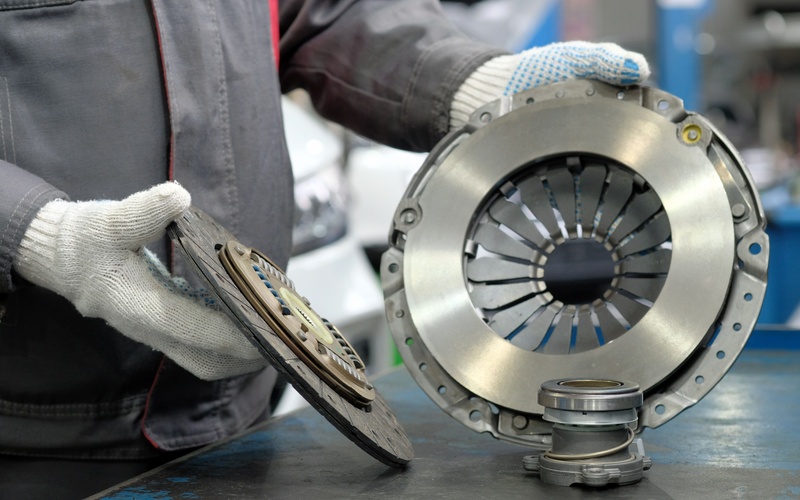
Even brand-new components will fail to perform due to an incorrect adjustment. The relationship between the clutch pedal, the master cylinder pushrod, and the hydraulic release point must be precise. If the master cylinder pushrod adjustment is too short, the piston will not travel far enough to displace the necessary amount of fluid.
This lack of displacement means the slave cylinder or hydraulic release bearing will not extend fully, leaving the clutch disc to partially engage with the flywheel. Conversely, an overly long adjustment of the rod without proper free play will cause the system to never fully release pressure, causing slipping.
Excessive Heat Build-Up
Heat is the enemy of any hydraulic system. In a racing environment, the proximity of exhaust headers and the engine block transfers significant heat to the clutch lines and cylinders. Heat alters the viscosity and compressibility of the hydraulic medium and affects the hardware.
Excessive thermal expansion of metal components or the softening of rubber lines exacerbates any existing weaknesses in the system. If the hydraulic fluid boils due to radiant heat, the system effectively loses its ability to disengage the clutch until the fluid cools and returns to a liquid state.
Symptoms of Hydraulic Drag or Binding
Recognizing early signs of clutch drag or binding can save your transmission, as your car typically communicates these issues through feel, sound, and performance before failure occurs. Difficulty shifting gears, especially into first or reverse, frequently indicates clutch drag, with reverse gear grinding a common symptom due to the lack of a synchronizer.
Binding in the hydraulic system can cause clutch slippage, where the engine revs faster than the vehicle accelerates, and unusual noises such as grinding, chirping, or whirring may indicate release bearing or hydraulic issues. Overheating and burning odors from clutch friction material, along with a spongy or inconsistent clutch pedal, further indicate problems such as air in the lines, a failing master cylinder, or other hydraulic faults that require prompt attention.
Diagnostic Steps
Now that we understand the causes and symptoms of hydraulic drag or binding in clutch systems, it’s time to discuss diagnosing. Before you start tearing apart the transmission, perform a systematic diagnosis to isolate the hydraulic issue.
Visual Inspection
Begin with a thorough visual check of the entire hydraulic circuit. Open the reservoir and check the fluid level and color. Dark, murky fluid indicates contamination.
Look for any wet spots that indicate leaks. Squeeze the rubber sections of the line; they should feel firm, not soft or collapsible. Check the area around the clutch pedal inside the cabin for any fluid leaking from the back of the master cylinder.
Rev Test
Perform the "rev test" to confirm drag. With the vehicle on level ground and the parking brake off, depress the clutch pedal fully and shift into first gear. Keep the clutch pedal depressed and rev the engine up to about 7,000 RPM (or a safe high RPM for your engine). If the vehicle creeps forward, the clutch is dragging. At high RPMs, centrifugal force can cause clutch discs to flex slightly, but a healthy hydraulic system should provide sufficient clearance to prevent movement.
Pressure Testing
For a more advanced diagnosis, you can perform a pressure test on the hydraulic line. This involves installing a pressure gauge into the system to verify that the master cylinder is generating sufficient pressure and that the system holds that pressure without bleeding down. This confirms whether the issue lies in the hydraulic force generation or in the mechanical clutch components that react to that force.
Solutions and Preventative Measures
After identifying the issue, it’s time to fix the problem. Many solutions include upgrading the clutch’s OEM components, but there are also preventative measures drivers can take to avoid hydraulic issues.
Fluid Replacement and Bleeding
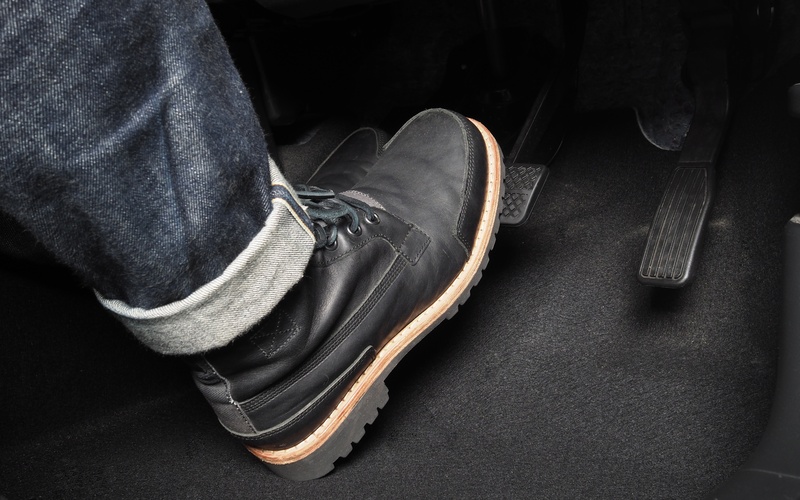
Clutch fluid contamination requires a complete flush. Use high-quality brake fluid with a high boiling point suitable for performance applications. Thoroughly bleed the system to remove any air pockets. This is the most cost-effective maintenance step and often resolves minor drag issues caused by compressibility.
Upgrading to Stainless Steel Lines
To permanently resolve the issue of expanding rubber lines, replace the factory hose with a stainless steel braided clutch line. Clutch Masters Industries offers stainless steel lines that eliminate line expansion, directing every ounce of force from your foot to the slave cylinder. This upgrade provides a firmer, more consistent pedal feel and is ideal for performance vehicles.
Master Cylinder and Bearing Upgrades
When the OEM master cylinder fails or proves inadequate for a heavy-duty pressure plate, upgrading is the only logical path. You can find a high-quality hydraulic clutch for sale at Clutch Masters Industries, including the Clutch Masters x Wilwood Clutch Master Cylinder kit. This package offers a robust solution with a larger bore and superior internal seals for crisp engagement and sufficient fluid flow to fully disengage high-performance clutches.
Conclusion
A healthy hydraulic system is the unsung hero of a high-performance vehicle. By understanding the symptoms of hydraulic failure and taking proactive steps to diagnose and upgrade your components, you ensure that your vehicle performs reliably on the street and dominates on the track. Inspect your hydraulic system, upgrade weak points with Clutch Masters quality components, and drive with confidence.