

Why You Should Upgrade Your Clutch Pressure Plate
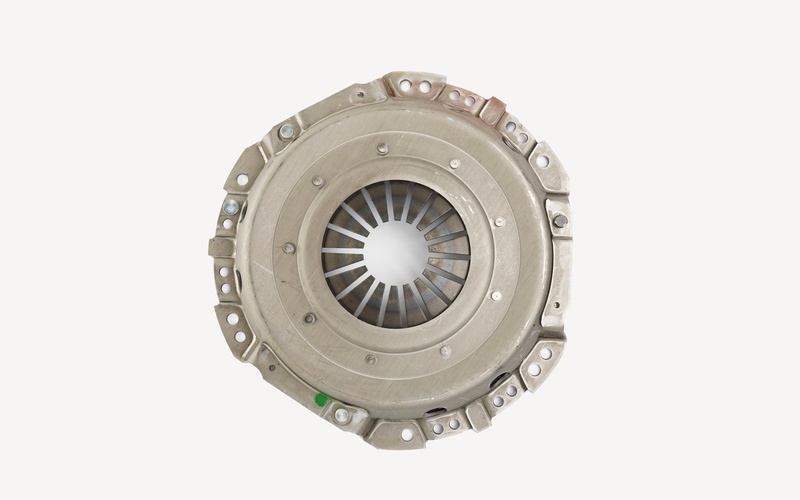
Upgrading your clutch pressure plate may not be the first vehicle modification that comes to mind, but this component plays a pivotal role in your vehicle’s performance and reliability. Whether you’re clocking in daily miles or gearing up for the track, enhancing this part can significantly improve your driving experience. Keep reading to understand why you should consider upgrading your vehicle’s clutch pressure plate and how to install it yourself.
Understanding the Role of a Clutch Pressure Plate
Before we dive into the advantages of an aftermarket pressure plate, what exactly does this component do for your vehicle?
The pressure plate is a key part of the car’s clutch system. Its primary function is to connect and disconnect the engine’s power from the transmission, allowing smooth gear shifts and efficient power delivery. When you depress the clutch pedal, the pressure plate disengages the clutch disc, enabling the transmission to change gears without disrupting the power flow.
Clutch Pressure Plates: Choosing the Right Type
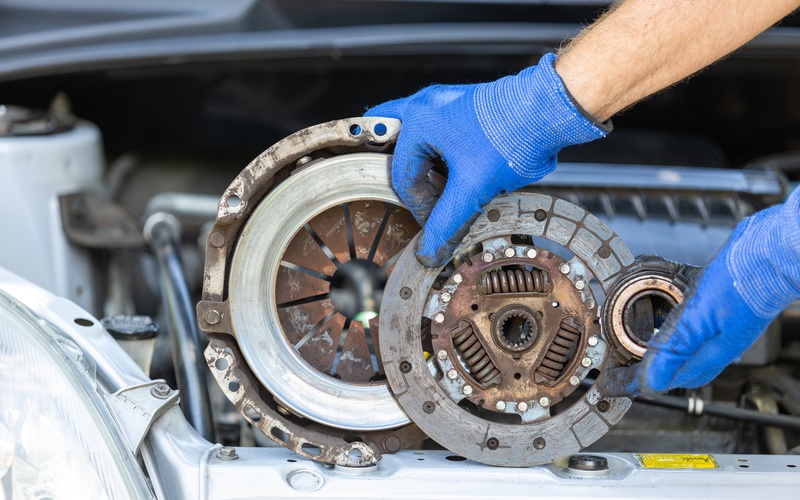
While pressure plates all play the same role within a clutch system, they’re not all the same. Some pressure plates are best for daily drivers who want a comfortable ride, while others are for high-performance execution. Below, we break down the three main types of pressure plates and their key features.
Diaphragm Spring Pressure Plates
These are the most common stock pressure plates for modern vehicles. They provide smooth engagement and require minimal pedal effort, making them ideal for everyday driving. Their user-friendly design ensures a comfortable experience while maintaining reliable performance.
Coil Spring Pressure Plates
Coil spring pressure plates are a step above diaphragm spring pressure plates as they provide exceptional durability. These types of pressure plates are most common in older vehicles or heavy-duty applications. They can withstand tough conditions, making them a great choice for vehicles that require extra strength and resilience.
Racing and Performance Plates
Lastly, for those who want to maximize performance and racing speed, there are pressure plates for that, too. Racing and performance pressure plates can handle higher torque levels and extreme stress. Built with special materials and engineering, these plates are perfect for racing enthusiasts or anyone looking to push their vehicle to its limits.
The Benefits of Upgrading a Clutch Pressure Plate
For car enthusiasts seeking better vehicle performance, upgrading the clutch pressure plate isn’t just an option; it’s a necessity. There are many reasons why you should consider upgrading your clutch pressure plate, including improved torque capacity and a better pedal feel.
Enhanced Torque Capacity
A performance pressure plate increases clamping force, allowing it to handle greater torque output. If you’ve modified your engine to produce higher horsepower, staying with a stock pressure plate could cause clutch slippage, meaning lost power. Upgrading the pressure plate guarantees that all the power your engine generates reaches the wheels.
Improved Heat Dissipation
During high-performance driving or track days, excessive heat can build up in the clutch assembly and cause premature wear. Advanced aluminum and other lightweight clutch pressure plates can dissipate heat more effectively, maintaining performance under extreme conditions.
Greater Durability
High-quality aftermarket pressure plates feature superior materials that can withstand the higher stresses of racing and high-performance driving. By upgrading, you’ll extend the lifespan of your clutch and minimize the need for frequent replacements.
Better Modulation and Pedal Feel
A precision-engineered clutch pressure plate offers smoother engagement and a more responsive pedal feel. This can provide greater control during shifts, making it an asset for both street driving and performance applications.
Signs It’s Time To Upgrade Your Clutch Pressure Plate
If you’re not sure if your current pressure plate is performing as it should, there are a few signs that can help you determine if it’s time for an upgrade. If your RPMs spike under acceleration without a matching increase in speed, it could mean the pressure plate isn’t holding the clutch disc tightly enough, leading to clutch slipping. Similarly, if you have trouble shifting, especially during aggressive driving or at high RPMs, it may indicate inadequate clamping pressure from the pressure plate.
Other warning signs include a loss of clutch performance after extended use, such as during track days, which could signify clutch fade. If you also hear unusual noises such as grinding, chattering, or vibrations, it may be a sign of a failing or overworked pressure plate. Ignoring these issues can hurt your vehicle’s performance and risk damaging other components in the drivetrain. Upgrading to a performance pressure plate can resolve these problems and keep your car running smoothly.
How To Install a New Clutch Pressure Plate
One way to make the purchase of an aftermarket pressure plate more affordable is by installing the part yourself. If you’re handy and know your way around your vehicle’s key components, this is an excellent project. That said, if you’re unsure of your capabilities, it’s best to leave it to the professionals.
1. Remove the Transmission
Begin by safely lifting your vehicle using a jack and securing it on jack stands. Disconnect the transmission to access the clutch assembly. Be sure to remove any surrounding components that may obstruct your work, such as the driveshaft and linkage. Take your time during this step, as mishandling the transmission can damage it.
2. Inspect Related Components
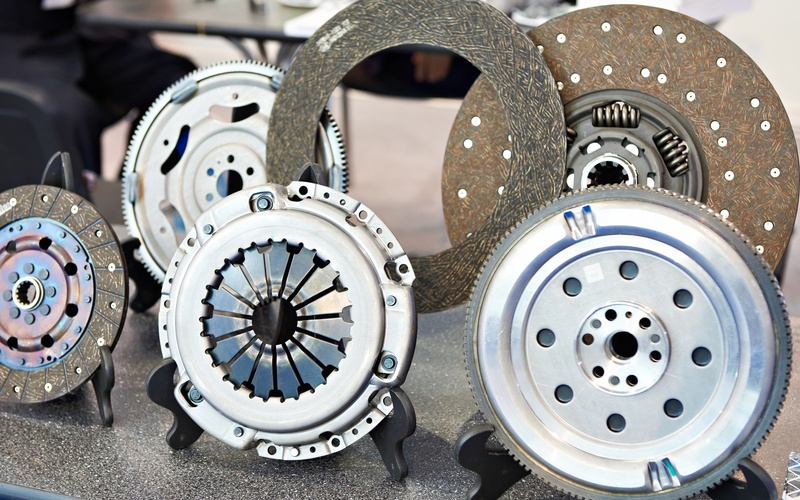
After removing the transmission, check the condition of the clutch disc, flywheel, and release bearings. Look for signs of wear, such as grooves, cracks, or excessive thinning. If any of these components are damaged or substantially worn, replace them to ensure optimal performance and avoid future issues.
3. Install the New Pressure Plate
Use an alignment tool when aligning the new clutch disc with the flywheel so it’s centered properly. Position the new pressure plate over the clutch disc, and secure it in place. Tighten the bolts evenly in a star pattern, and use a torque wrench to follow the manufacturer’s specific torque settings. This will confirm that the pressure plate is secure and functions correctly.
4. Reinstall the Transmission
Carefully reposition the transmission back into place, ensuring proper alignment with the engine. Reconnect all components, including the driveshaft, linkage, and any electrical connectors. After securing everything, test the clutch pedal to see if it smoothly engages as it should before lowering the vehicle.
5. Test the Installation
Before driving, verify that the clutch engages and disengages properly. Perform a few test shifts while the vehicle is stationary to confirm smooth operation. Always double-check the installation against the instructions provided with your pressure plate.
Drive Smarter by Upgrading Your Clutch Pressure Plate
Upgrading your clutch pressure plate isn’t just for racers—it’s a smart way to improve power delivery, optimize performance, and increase reliability. High-performance pressure plates from Clutch Masters can unlock your vehicle’s potential, whether you’re gearing up for the track or augmenting your daily drive.
Whether you have a multi-plate double-disc clutch in your vehicle or something else, odds are, we’ve got what you need in our extensive inventory. Browse our selection of performance clutch parts and more online today!