

How Clutch Engagement Affects Driving Feel

The connection between you and your vehicle begins with a single component that transforms engine power into controlled motion: the clutch. This vital link determines whether your driving experience feels smooth and responsive or rough and unpredictable.
Clutch engagement is an integral part of the function and comfort of your vehicle. Keep reading to learn how clutch engagement affects driving feel and how you can improve it in your car.
Introduction to Clutch Systems
First, let’s review the basics of automotive clutch systems. A clutch serves as the intermediary between your engine’s flywheel and the transmission’s input shaft. This mechanical marvel enables seamless connection and disconnection of power flow, allowing for smooth gear changes and controlled acceleration.
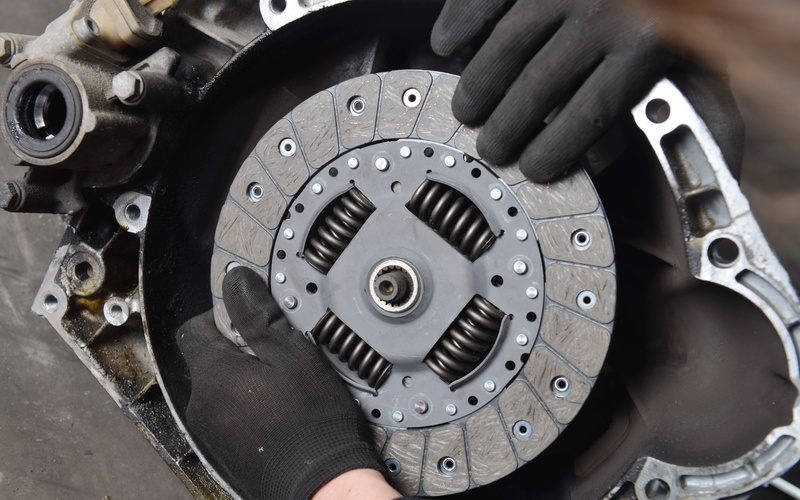
The clutch system comprises several key components that work in harmony: the clutch disc, pressure plate, release bearing, and flywheel. Clutch engagement represents the process by which these components connect to transfer torque from the engine to the transmission.
Understanding Clutch Engagement Mechanics
Clutch engagement begins when you release the clutch pedal, allowing the pressure plate to press the clutch disc against the flywheel gradually. This progressive connection creates friction that transfers rotational energy from the engine to the transmission. The engagement process involves multiple stages, starting with initial contact between surfaces and progressing to full lockup, where all components rotate together as a single unit.
High-quality friction materials provide consistent engagement characteristics, while worn or inferior materials create unpredictable behavior. The pressure plate spring tension determines how forcefully the clutch disc presses against the flywheel, affecting both holding power and engagement feel.
Release bearing operation also influences engagement quality. A smooth-operating release bearing allows for precise clutch pedal control, while a worn bearing creates inconsistent pedal feel and may cause premature clutch wear.
How Clutch Engagement Influences Your Driving Experience
Now that we understand clutch engagement better, we can see how it directly affects driving feel. From the smoothness of changing gears to handling high-torque loads, clutch engagement is vital to a comfortable driving experience.
Smoothness and Jerkiness
Proper clutch engagement eliminates the jarring sensations that plague vehicles with worn or poor clutch systems. When engagement occurs progressively and predictably, power delivery feels even and precise. Drivers experience seamless acceleration without the abrupt grabbing or slipping that characterizes failing clutch systems.
Smooth engagement allows for nimble throttle control during acceleration, cornering, and braking. This precision becomes particularly important during performance driving, where consistent power delivery can mean the difference between maintaining control and losing traction.
Control and Responsiveness
Clutch engagement directly impacts your ability to modulate power delivery with precision. A well-engineered clutch system responds immediately to pedal inputs, allowing you to control exactly how much power reaches the wheels. This responsiveness proves essential for heel-toe downshifting, launch control, and precise cornering techniques.
Superior clutch systems provide consistent engagement points that drivers can rely on during spirited driving or competitive racing. The predictable engagement characteristics allow drivers to develop muscle memory and confidence in their vehicle’s behavior.
Noise and Vibration
Quality clutch engagement minimizes unwanted sound and shaking that can detract from the driving experience. Properly functioning clutch systems operate quietly and easily, without the grinding, squealing, or chattering noise that indicates worn components. Premium clutch systems incorporate advanced materials and precision manufacturing to eliminate these disturbances.
Excessive vibration during engagement is a signal of a problem with the flywheel surface, clutch disc, or pressure plate. These vibrations create an uncomfortable driving experience and can indicate accelerated wear of transmission components.
Handling High Torque Loads
Modern performance engines generate substantial torque that demands equally capable clutch systems. Proper engagement becomes even more important when dealing with high-output engines that can overwhelm inadequate clutch systems.
High-torque applications require clutch systems with greater holding power and thermal capacity. These systems must maintain consistent engagement characteristics even when subjected to repeated high-stress situations.
Driver Confidence and Feedback
Like any system or component within a car, the better the clutch works, the more confident the driver feels behind the wheel. Clutch engagement provides drivers with clear feedback about vehicle behavior and system conditions.
This feedback allows drivers to identify subtle performance changes and address potential issues before they escalate into serious problems. Consistent engagement characteristics allow drivers to push their vehicles to higher performance levels while maintaining control.
Factors Influencing Clutch Engagement
We understand how important clutch engagement is, but what affects how well a clutch engages? There are many factors that determine the quality of clutch engagement, from the quality of the components to how the driver operates.
Mechanical Factors
Clutch engagement depends on several mechanical factors. A damaged or warped flywheel can cause inconsistent engagement and excessive wear, while the clutch disc’s friction material impacts grip and durability. Pressure plate spring tension affects holding power and pedal feel, and the hydraulic system influences pedal response and engagement precision. All components must work together optimally for smooth and precise clutch performance.
Environmental Factors
Environmental conditions, such as temperature, moisture, and altitude, can all influence clutch engagement. Cold can contract materials and alter friction, while heat from aggressive driving may cause clutch fade. Fluid leaks can introduce moisture and contamination, affecting performance. These factors underscore the need for clutch systems to perform reliably in diverse conditions.
Driver Factors
The way you drive your car can also affect the quality of clutch engagement. Easy, even, and deliberate movements ensure progressive engagement, while aggressive or improper use causes premature wear and tear. Driving style and application also influence the needs of the clutch system, as track driving requires different specifications than daily commuting.

Enhancing Clutch Engagement and Driving Feel
If you want to ensure the viability and quality of clutch engagement in your vehicle, you can do a few things. For one, you can upgrade your vehicle with a performance clutch and flywheel kit. Then, be sure to break in the clutch correctly.
Upgrade to a High-Performance System
Upgrading to a high-performance clutch system enhances driving with superior engineering, advanced friction materials, and precision components, providing a more refined driving experience. These systems offer increased holding power, consistent engagement, enhanced durability, and unmatched reliability, even under demanding conditions. They provide immediate improvements in driving feel and long-term performance.
Select the Right Flywheel
Flywheel selection greatly affects clutch engagement and driving feel. Lightweight flywheels boost throttle response and acceleration but demand precise clutch control, while heavier flywheels offer smoother engagement at the cost of responsiveness. Surface condition and material composition also influence clutch wear and performance, with premium flywheels providing enhanced durability and engagement quality.
Break in the Clutch Properly
Drivers must break in new clutches properly for optimal performance. Gradually introduce the clutch to increasing loads to allow the friction surfaces to mate properly. Pairing professional installation with proper break-in maximizes the performance and reliability of premium clutch systems.
Maximizing Your Driving Experience With Clutch Masters
Clutch engagement is key to your vehicle’s responsiveness and overall driving experience. Whether you’re aiming for track performance or better daily driving comfort, proper clutch engagement ensures exceptional performance. Clutch Masters Industries offers racing-ready performance clutch systems for enthusiasts who demand excellence. Contact our specialists today to transform your vehicle’s performance.