

Twin-Disc Clutch: Why More Power Requires a Stronger Clutch
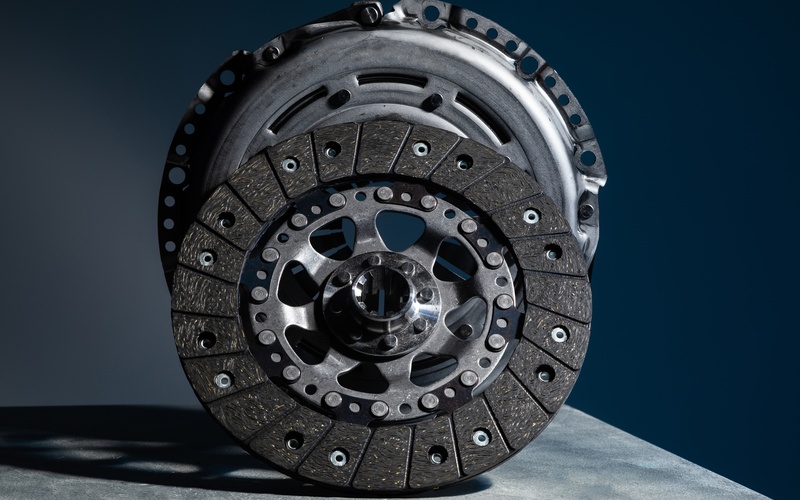
Building serious horsepower demands more than just engine modifications. When your vehicle starts producing substantial power, every component in the drivetrain must rise to meet the challenge.
The clutch system is the critical link between your engine's potential and actual performance. Standard clutches simply cannot handle the demands of high-performance applications, making the upgrade to a twin-disc clutch system essential for serious enthusiasts. In this guide, we’ll explain why more power in your vehicle requires a stronger clutch and how a twin-disc clutch can maximize your car’s performance potential.
What Is a Twin-Disc Clutch?
A twin-disc clutch system utilizes two friction discs instead of one to handle power transmission. This doubles the friction surface area available for clamping, dramatically increasing the system's torque capacity without requiring proportional increases in pedal pressure.
The twin-disc configuration places two clutch discs in series, separated by a steel floater plate. The pressure plate clamps the first disc against the floater, while the floater simultaneously clamps the second disc against the flywheel. This arrangement creates two friction surfaces working together to transfer power.
Unlike single-disc systems that must rely on extreme clamping force or aggressive friction materials, twin-disc clutches achieve superior holding power with more surface area. This approach allows for more manageable pedal pressure while providing exceptional torque capacity.
Key Components of a Twin-Disc Clutch System
The basic components and setup of a twin-disc clutch system are like a typical, single-disc clutch. The key components include:
- Pressure plates: Provide increased clamping force for higher performance
- Twin clutch discs: Work together to transfer power more efficiently through friction
- Flywheel: Connects with the clutch discs to transfer torque to the drivetrain
- Release bearing: Ensures smooth disengagement of the clutch when drivers press the pedal
So, while a twin-disc clutch offers many advantages for performance, it’s far from an overly complex system.
The Limitations of Standard Clutches in High-Performance Applications
Greater horsepower and torque in performance and racing vehicles pose great challenges to single-clutch systems. These limitations show why more power requires a stronger clutch for performance applications, like a twin-disc clutch.

Clutch Slippage Under Load
The most immediate problem occurs when the clutch cannot maintain adequate grip under full power. Standard clutches lack sufficient clamping force to handle the high torque, causing slippage that robs power and creates excessive heat. This slippage feels like a loss of connection between engine RPM and vehicle acceleration.
Overheating and Fade
High-performance driving generates substantial heat through friction. Standard clutches struggle to dissipate this heat effectively, leading to fade and less clamping force. The organic friction materials common in standard clutches break down under extreme temperatures, further compromising performance.
Shorter Service Life
The combination of higher loads and heat accelerates wear patterns in standard clutches. Components that might last 60,000 miles in normal driving may fail within thousands of miles under high-performance conditions. This shortened lifespan becomes both expensive and inconvenient for serious enthusiasts.
The Benefits of Upgrading to a Twin-Disc Clutch System
There are many reasons to upgrade your vehicle to a twin-disc clutch system, especially in high-performance applications. With a twin-disc clutch, drivers get greater clamping force, higher torque capacity, better thermal management, and more.
Increased Clamping Force Through Surface Area
Twin-disc clutches achieve superior holding power by doubling the available friction surface area. Rather than relying solely on more pressure plate force, the system distributes clamping loads across multiple surfaces. This reduces stress on individual components while dramatically increasing overall torque capacity.
The increased surface area allows twin-disc systems to handle substantially more power than single-disc alternatives. Where a standard clutch might slip under high torque loads, the twin-disc configuration maintains positive engagement through its friction area.
Greater Torque Capacity for High-Power Applications
Modern performance engines can produce torque levels that overwhelm standard clutch systems. Twin-disc clutches excel in these applications by providing torque capacity that scales with power modifications. The dual-disc design handles torque spikes from turbocharger surge, nitrous injection, and aggressive tuning without slippage.
This greater torque capacity proves especially valuable for drag racing applications where instant power delivery determines success. The twin-disc system maintains consistent engagement through violent launches and high-RPM shifts that would destroy standard clutches.
Better Heat Dissipation and Thermal Management
The twin-disc design inherently provides superior heat dissipation compared to a single-disc system. The additional mass of the floater plate and second disc creates more thermal capacity, while the enlarged surface area promotes better heat transfer to the surrounding air.
Advanced twin-disc systems incorporate cooling features such as ventilated floaters and heat-resistant materials. These elements prevent the thermal fade that plagues standard clutches under demanding conditions.
Lower Pedal Pressure for Driver Comfort
Counterintuitively, twin-disc clutches require less pedal pressure than heavily modified single-disc systems. The increased surface area allows for adequate clamping force without extreme pressure plate loads. This characteristic makes twin-disc systems surprisingly comfortable for street driving while maintaining their high-performance capabilities.
The reduced pedal pressure becomes especially important during extended track sessions, where driver fatigue can impact performance. The lighter pedal feel allows drivers to maintain precise clutch control throughout demanding conditions.
Clutch Masters Twin-Disc Clutch Systems
If you think your vehicle could benefit from greater thermal management, clamping force, and torque capacity, you should consider a dual-disc clutch from Clutch Masters Industries. Our comprehensive product line addresses applications ranging from street-driven performance cars to full competition vehicles.
Billet Aluminum Cover Assembly Engineering
Clutch Masters machines cover assemblies from billet aluminum, then applies Type 3 hard anodizing for maximum durability. This construction provides approximately 25 percent more tensile strength than the cast units competitors use. The billet construction virtually eliminates flexing under load, ensuring consistent pedal feel and engagement characteristics.
The rigid cover assembly transfers clutch pedal input directly to the diaphragm without energy loss through flexing. This efficiency improves driver confidence and reduces the inconsistency that plagues lesser clutch systems.
Precision Flywheel Construction
Clutch Masters machines their aluminum flywheels from billet 6061-T6 aluminum to meet SFI specification 1.2 for competition use. This certification guarantees the flywheel can withstand the extreme forces that high-performance engines generate without failing. The Type 3 hard anodizing provides exceptional durability while maintaining a precise surface finish.
Each aluminum flywheel includes a replaceable steel insert that drivers can service without replacing the entire flywheel. This reduces long-term maintenance costs while ensuring optimal friction characteristics.
Positive Release Technology
The twin-disc design provides positive release characteristics crucial for high-RPM operation. This feature means clean disengagement during rapid shifting sequences and precise staging in drag racing applications. The positive release eliminates the dragging that can occur with heavily modified single-disc systems.
This technology is especially valuable for racing applications where consistent launching and shifting determine success. The positive release allows drivers to stage precisely and shift confidently at high RPM without fear of clutch drag or incomplete disengagement.
Maximize Your Performance Potential With Clutch Masters
Twin-disc clutch systems are the go-to solution for performance enthusiasts, overcoming the limitations of standard clutches with the reliability needed for high-performance applications. These systems deliver improved performance, longer service life, and greater driving confidence, making them ideal for track days, drag racing, or maximizing the potential of your modified street car. Contact Clutch Masters Industries to explore how our premium twin-disc clutch systems can transform your vehicle and meet your specific power and driving needs.