

What to Look for in a Replacement Clutch for Your Car
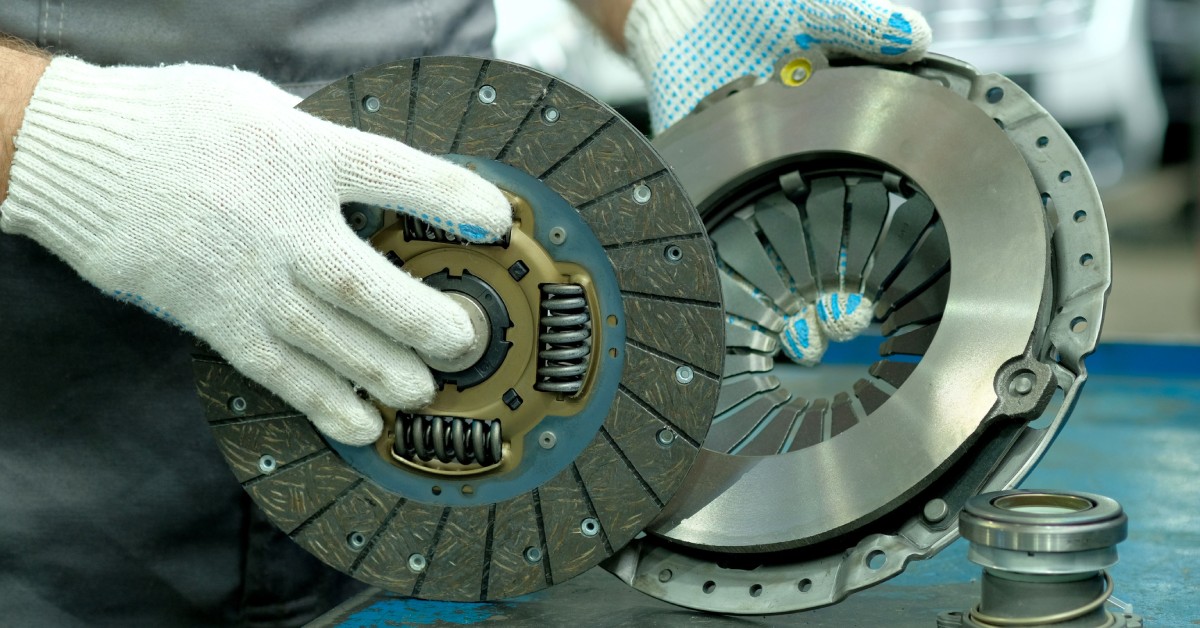
The clutch is a vital aspect of your vehicle’s performance, drivability, and durability. But clutches don’t last forever, and if you own a car for long enough, there will come a day when it’s in your best interests to replace it.
But what should vehicle owners know about replacing a clutch? As clutch experts, we can help. Keep reading to recognize the clear signs your car needs a new clutch and what to look for in a replacement.
Recognizing When Your Clutch Needs Replacement
Unless you’re looking to maximize the performance of your vehicle, you’ll only need to replace a clutch when it starts to deteriorate. Below are the key signs your car requires a clutch replacement.
Signs of Clutch Failure
Clutch slipping is a common issue, often noticeable when engine RPMs rise without matching acceleration, especially during highway merging or hill climbing. This happens when the friction material loses its grip on the flywheel and pressure plate. Strange sounds can also signal clutch problems—grinding during gear changes may indicate release bearing failure, while squealing could point to worn friction material or contamination. Chattering vibrations through the pedal and floor during engagement often result from warped components or oil contamination.
Changes in pedal feel are another warning sign. A spongy pedal typically suggests hydraulic system issues, while a pedal that sticks or doesn’t return properly could indicate mechanical problems with the release mechanism. Identifying these symptoms early can help address clutch issues before they worsen.
Impact of Driving Habits on Clutch Life
Aggressive driving is a major factor that can reduce the lifespan of your car’s clutch. Frequent hard launches, clutch dumping, and riding the clutch pedal generate excessive heat and wear. Track driving or racing creates even more demanding conditions, requiring special clutch systems for high-stress engagements.
Stop-and-go traffic creates unique challenges through constant clutch cycling. Each engagement generates heat and friction that causes material wear. Commercial or towing applications multiply these stresses, making heavy-duty clutch systems essential for maintaining reliability.
Essential Factors for Clutch Selection
There’s a lot to look for in a replacement clutch for your car. First, you should assess your vehicle type and driving needs before reviewing options for clutch materials, torque capacity, and flywheel material.
Vehicle Type and Intended Use
Street clutches focus on smooth engagement, quiet operation, and long service life, making them ideal for daily driving. They typically use organic friction materials for gentle engagement, manageable pedal effort, and minimal chatter to enhance passenger comfort.
Track and hybrid clutches prioritize performance, with racing clutches that can handle extreme heat, hard launches, and maximum power transfer. Hybrid clutches offer a balance, providing greater holding power for occasional track use while maintaining reasonable drivability for everyday use.
Friction Material Selection
Organic clutch materials provide smooth engagement and low pedal effort, making them ideal for stock or mildly modified vehicles where comfort is a priority. They offer good heat dissipation and durability for normal driving conditions. Kevlar materials, on the other hand, enhance durability and handle higher temperatures, making them suitable for vehicles with moderate power upgrades or occasional spirited driving, while still maintaining relatively smooth engagement.
For high-performance applications, ceramic materials deliver maximum holding power and heat resistance, though they require higher pedal effort and offer more aggressive engagement. At the top end, carbon-carbon composites excel in racing environments with consistent friction across extreme temperatures and exceptional durability.
Torque Capacity Matching
Matching your clutch's torque capacity to your engine's output will ensure reliable power transfer without unnecessary over-engineering. Start by calculating your engine's maximum torque output, including any planned modifications, and add a 20 to 30 percent safety margin for torque spikes or future upgrades.
An underspec clutch may slip under full power, causing rapid failure and potential drivetrain damage, while an overspec clutch can lead to harsh engagement and increased pedal effort with little benefit. When choosing a clutch, consider both peak torque and the torque curve. Engines with sharp torque spikes or sudden boost, like those with forced induction, require additional capacity beyond steady-state output.
Flywheel Material Considerations
Aluminum flywheels reduce rotational mass, improving engine responsiveness, acceleration, and sharper throttle response due to reduced inertia. However, they can produce more gear rattle at idle and require precise clutch engagement, which may be challenging for some drivers. Lighter flywheels also reduce stress on engine bearings and allow quicker deceleration during braking, though they may amplify engine vibrations and make smooth starts harder.
Steel flywheels, with their heavier rotational mass, provide smoother idling, easier clutch engagement, and better absorption of drivetrain vibrations. This makes them ideal for street driving, as they provide smooth power delivery and offer more forgiving clutch operation. While heavier, they deliver a more consistent driving feel, particularly at lower speeds.
Advanced Twin-Disc Technology
One option that drivers can consider if they want to maximize their vehicle’s performance is a twin-disc clutch. Twin disc clutches provide a larger friction surface area within the same diameter, allowing for higher torque capacity without the need for larger components that may not fit existing bellhousings. The dual friction surfaces enhance heat dissipation through greater thermal mass, making them ideal for high-performance applications.
Clutch Masters twin-disc systems feature billet aluminum covers with 25 percent more tensile strength than cast alternatives, virtually eliminating flex for consistent clamping force and precise operation. While clamping force increases pedal pressure by an average of 50 percent, the better efficiency delivers significantly more holding power than traditional single-disc designs.
Professional Installation and Maintenance
Replacing a clutch involves more than just picking out the ideal components. Drivers also need to consider the installation and maintenance of their replacement clutch to guarantee its viability and performance for their vehicle.
Installation Considerations
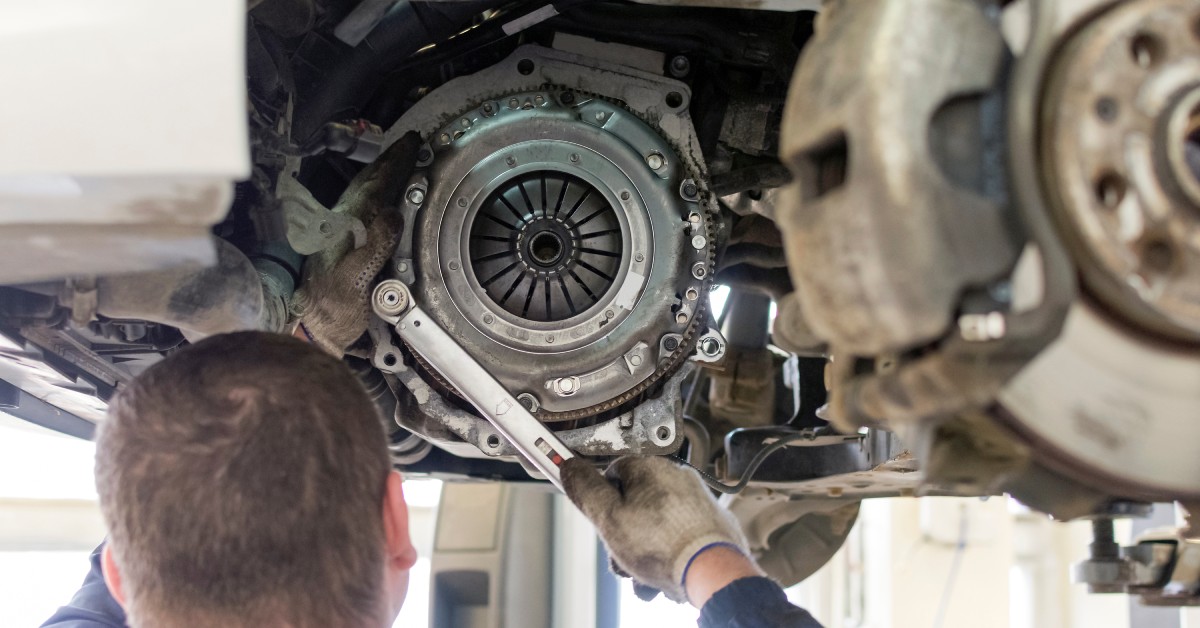
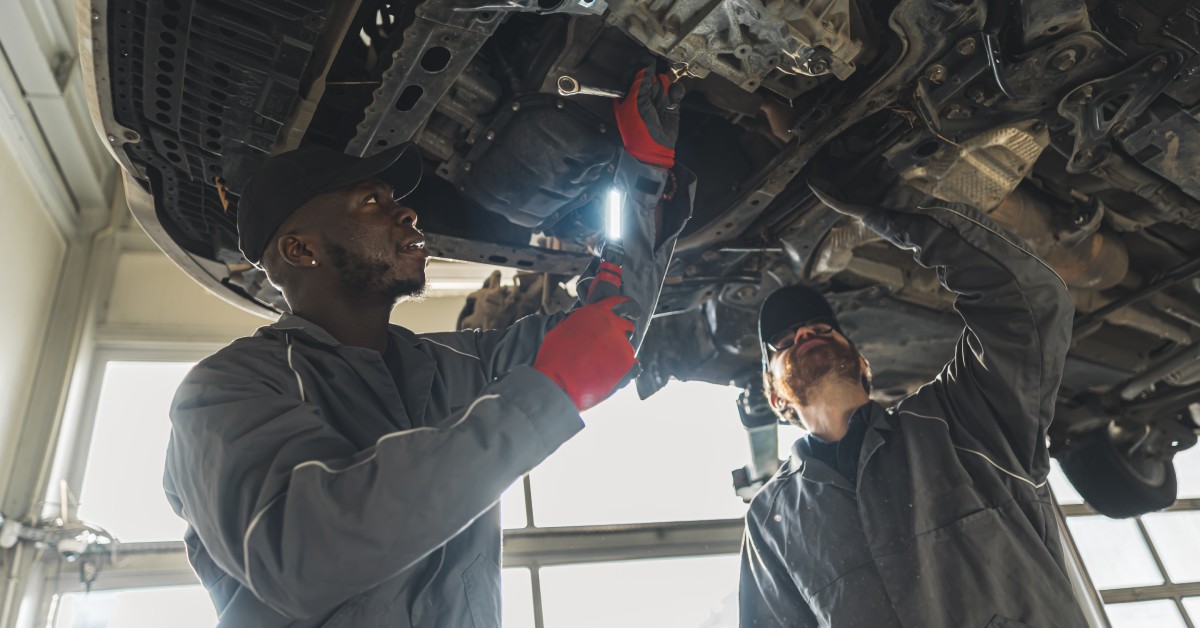
A professional clutch installation is best to guarantee a proper clutch setup for maximum performance and longevity. Experienced technicians can handle critical alignment, torque specifications, and break-in requirements for high-performance clutches. Surface preparation of the flywheel and pressure plate is equally important, as contamination or improper flatness can lead to clutch failure or poor engagement.
Hydraulic system bleeding is another key step, removing air that can cause a spongy pedal feel or inconsistent operation. Many high-performance clutches require precise bleeding procedures to ensure smooth and reliable performance.
Maintenance Best Practices
Breaking in a clutch correctly will help friction materials mate correctly with their surfaces for optimal clutch performance and to safeguard against premature failure. This involves gradual heat cycling through normal driving before applying maximum stress, as the manufacturer recommends.
To extend clutch life, avoid abuse such as riding the clutch pedal, excessive slipping during starts, and improper shifting techniques. Regular inspections, like checking pedal free play, fluid levels, and listening for unusual noises, can catch minor issues early and prevent costly repairs.
Making the Right Investment With Clutch Masters Industries
If you need to replace your car’s clutch, there’s no better place to look than Clutch Masters Industries. Within our extensive selection of clutch kits, we offer the engineering and materials drivers need for reliable, high-performance operation.
While premium clutches may cost more upfront, they deliver better durability, reduce long-term maintenance costs, and enhance the driving experience. View our clutch components and kits online and contact our staff if you have any questions or need help finding what’s right for your vehicle.