

The Pros and Cons of Lightweight Flywheels
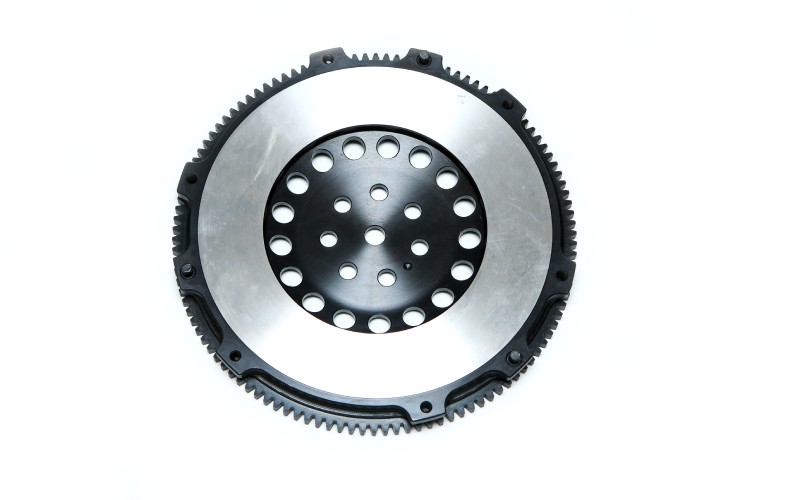
One of the most common modifications for drivers looking to enhance the performance of their vehicle is a lightweight flywheel. While lightweight flywheels offer many advantages for certain cars, they also come with drawbacks in some applications.
Below, we’re going to give you the full picture of lightweight flywheels, including their pros and cons. We’re going to outline everything drivers need to know about them so they can make an informed decision about what’s right for their vehicle.
What Makes a Flywheel Lightweight?
The flywheel is a key component of your engine's rotating assembly, storing rotational energy and smoothing power delivery during combustion cycles. Standard flywheels weigh 25-40 pounds, depending on the vehicle and manufacturer specifications. Lightweight single-mass flywheels reduce weight through advanced materials and engineering, with manufacturers like Clutch Masters using 6061 T6 billet aluminum, 1045 billet steel, or 4140 billet steel.
Aluminum flywheels are the lightest, weighing 60-70% less than stock, while steel options offer a balance, reducing weight by 30-50% while retaining some mass for smoother operation. Both aluminum and steel flywheels undergo precision CNC machining and meet SFI certification standards for automotive and motorsport use. The manufacturing process ensures exact dimensions, tolerances, and quality control for balanced performance.
Performance Advantages of Lightweight Flywheels
The primary benefit of opting for a lightweight flywheel is the greater performance it affords your vehicle. A lightweight flywheel means greater throttle response, supercharger efficiency, and more for your car.
Enhanced Acceleration and Throttle Response
Reducing rotating mass delivers immediate improvements in engine responsiveness. Every pound a lightweight flywheel saves allows your engine to accelerate and decelerate more quickly, translating into sharper throttle response and greater acceleration between gears. The effect becomes most noticeable during aggressive driving, where quick rev-matching and rapid gear changes separate competent drivers from exceptional ones.
The physics remain straightforward—less rotational inertia means your engine requires less energy to change speeds. This benefit extends beyond straight-line acceleration, improving your ability to execute heel-toe downshifts and maintain optimal engine speeds through challenging corners.
Reduced Turbo Lag
Turbocharged engines experience particularly dramatic improvements from lightweight flywheel installation. Factory flywheels typically exceed 30 pounds, creating significant drag on the crankshaft that delays turbo response. Lightweight alternatives reduce this load, allowing turbos to spool more quickly and maintain boost pressure more effectively.
The improvement becomes most apparent during part-throttle acceleration and when building boost from low engine speeds. Drivers report more linear power delivery and reduced lag between throttle input and boost pressure buildup, characteristics that enhance both performance driving and everyday usability.
Supercharger Efficiency Gains
Supercharged applications also benefit from less crankshaft drag. Since superchargers draw power directly from the engine through belt or gear drives, any reduction in parasitic losses translates into greater efficiency and power delivery. The lightweight flywheel effectively frees up horsepower that would otherwise overcome rotational inertia.

Improved Mid-Range Torque Delivery
Naturally aspirated engines experience enhanced mid-range torque characteristics with lightweight flywheels. The reduced rotating mass allows engines to build RPM more quickly through the powerband's meat, where most street and track driving occurs. This improvement makes engines feel more responsive during overtaking maneuvers and corner exit acceleration.
The Drawbacks of Lightweight Flywheels
While there are many pros of lightweight flywheels, there are also some cons. Lighter flywheels mean more engine noise, gear rattle, and a higher investment for vehicle owners.
Increased Engine Noise and Vibration
Weight reduction comes at the cost of the flywheel's natural damping properties. Standard flywheels help smooth engine vibrations and reduce noise transmission through the drivetrain. Removing mass eliminates much of this dampening effect, resulting in more engine noise and vibration reaching the cabin.
The lighter the flywheel, the more noticeable these effects become. Aluminum units produce the most significant noise increases, while lightweight steel options offer a compromise between weight reduction and acceptable noise levels. Clutch Masters typically recommends steel over aluminum for street applications, specifically to minimize these comfort compromises.
Gear Rattle Phenomenon
Lightweight flywheels produce gear rattle, particularly at idle and during low-speed operation. The rotational inertia reduction fails to smooth the natural pulsations from combustion cycles, allowing these vibrations to transmit through the transmission and create audible noise from the gear sets.
This rattle increases with aggressive flywheel weight reduction and becomes most noticeable when releasing the clutch pedal at idle. While the noise doesn't indicate mechanical problems, some drivers find it objectionable for daily driving applications.
Compromised Low-Speed Drivability
The same characteristics that improve high-performance driving can negatively impact low-speed maneuvers. Lightweight flywheels make smooth clutch engagement more challenging during parking lot speeds and stop-and-go traffic. The lighter rotational inertia is less forgiving for clutch modulation and requires more precise pedal control.
New drivers or those accustomed to smooth factory clutch engagement may find the learning curve steep. The flywheel's inability to carry the engine through brief throttle lapses can cause stalling during slow-speed maneuvering until drivers adapt their technique.
Higher Initial Investment
Performance flywheels command a higher price than standard replacement flywheels. The special materials, precision manufacturing, and SFI certification requirements increase costs significantly. Aluminum flywheels also may require periodic friction surface replacement, though Clutch Masters designs these as replaceable components rather than requiring complete flywheel replacement.
The installation complexity often necessitates professional service, adding labor costs to the modification. However, the precision engineering and quality materials typically provide excellent long-term value for serious performance applications.

Choosing the Right Application
Now that we understand the highlights of performance lightweight flywheels, we can look at their applications. The best candidates for lightweight flywheels are drivers with track-focused vehicles, while standard flywheels are best for typical, daily drivers.
Ideal Candidates for Lightweight Flywheels
Lightweight flywheels are best for track vehicles, where maximum throttle response and quick gear changes are essential. In racing applications, performance takes priority over comfort, making noise and vibration concerns irrelevant. Weekend track cars for spirited driving also benefit, as they spend enough time at higher engine speeds to maximize performance gains while minimizing low-speed drivability issues.
For performance enthusiasts, lightweight flywheels offer a noticeable transformation in engine responsiveness. This modification enhances the connection between throttle input and engine response, making it a perfect upgrade for those who value sharp, immediate performance over everyday comfort.
Applications Where Standard Flywheels Excel
Lightweight flywheels are rarely beneficial for daily commuting vehicles, as stop-and-go traffic, frequent idling, and a need for smooth operation favor standard flywheel designs. In most cases, the comfort and drivability of a standard flywheel outweigh any performance gains, especially for vehicles families or newer drivers use, where smoother clutch engagement and easier low-speed handling are crucial.
Making the Performance Decision
Lightweight flywheels can dramatically transform your vehicle, offering benefits like sharper throttle response, reduced turbo lag, and faster acceleration—perfect for track-focused or performance-oriented driving. However, they come with trade-offs, including increased noise, vibration, and reduced low-speed drivability, which may not suit daily drivers. Choosing the right flywheel depends on your specific needs, driving habits, and tolerance for these compromises.
Clutch Masters offers lightweight flywheels in both aluminum and steel, which they design and engineer to balance performance and practicality. With SFI certification and reliable manufacturing, their flywheels perform even under demanding conditions. If you’re ready to upgrade, explore lightweight flywheels at Clutch Masters Industries and find the perfect match for your driving style today!