

What Is a Flywheel Surface Lock and How Does It Help?
Performance upgrades are essential for cars, but very few components are as transformative as a flywheel with a surface lock. This innovative feature optimizes power transfer, improves the vehicle’s reliability, and extends the lifespan of drivetrain components.
Professional and amateur mechanics should understand why the flywheel surface lock is quickly becoming a must-have upgrade for increasing vehicles’ potential. If you’d like to learn more about flywheels and surface locks, you’ve come to the right place. Keep reading to better understand what a flywheel surface lock is and how it helps your vehicle.
What Is a Flywheel?
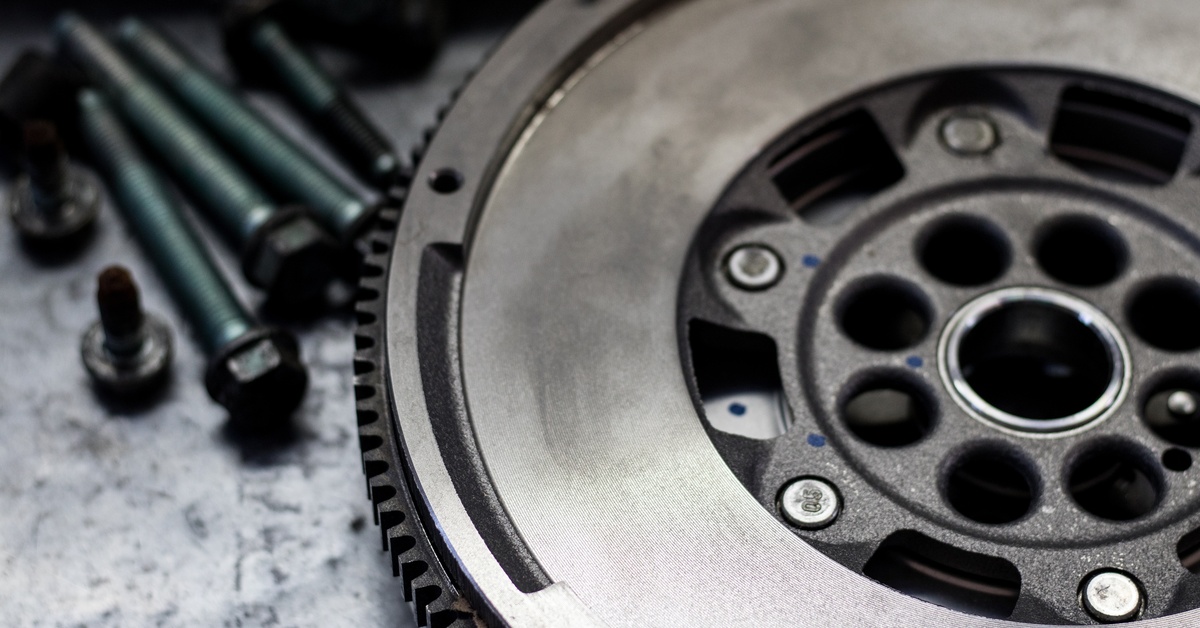
A flywheel stores rotational energy, reduces engine vibration, and facilitates smooth power transfer to the transmission. It also supports gear shifts by balancing rotational speed during clutch engagement.
In performance cars, a single-mass flywheel significantly improves throttle response and acceleration. However, its effectiveness relies on a secure connection to the clutch assembly, which is where the addition of the flywheel surface lock comes in handy.
How Does a Flywheel Surface Lock Work?
A flywheel surface lock creates a more secure and precise connection between the flywheel and the clutch assembly, ensuring maximum efficiency and performance. The flywheel lock is a thin spacer with a diamond-particle coating that slots between the flywheel and the crankshaft for a stronger connection. This prevents the flywheel from loosening or damaging the crankshaft, as traditional flywheels without locks can slip under high-torque conditions and damage themselves and the crankshaft.
The flywheel surface lock minimizes energy loss to optimize power transfer from the engine to the transmission. It fully harnesses the rotational energy that the flywheel generates, resulting in smoother gear shifts and improved drivability. This technology delivers precision and durability, making it especially valuable for high-performance and modified vehicles.
Why Do Vehicles Need Flywheel Surface Locks?
Installing a surface lock is an excellent upgrade for any high-performance vehicle, especially when it comes to track racing or drag racing. It’s also beneficial for turbocharged engines and vehicles that undergo frequent clutch replacements due to slipping. Although it’s not essential for daily driving, the flywheel surface lock can provide noticeable improvements in overall performance, making it worth considering as part of engine upgrade plans.
Benefits of Installing a Flywheel Surface Lock
Now that we’ve explained what a flywheel surface lock is, how does it help your car? From improving power transfer to enhancing the safety of your vehicle, there are many benefits to a flywheel surface lock.

Improved Power Transfer
A flywheel surface lock enhances power delivery by minimizing clutch slip, allowing more engine torque to reach the wheels. The result is sharper, more responsive acceleration, which is especially critical in high-performance scenarios such as racing or spirited driving.
Reduced Clutch Wear
By distributing heat evenly and reducing localized stress, a surface lock significantly decreases clutch wear. This not only extends the life of the clutch assembly but also lowers replacement costs, enhancing overall reliability and performance.
Enhanced Safety Under Heavy Loads
For drivers who push their vehicles to the limit—whether on the track or during high-torque applications—a surface lock adds an extra layer of safety. It prevents catastrophic clutch failure, ensuring that the drivetrain can handle extreme demands with confidence.
Versatility and Customization
Flywheel surface locks are compatible with a wide range of aftermarket clutch kits, offering flexibility for fine-tuning your setup. Whether you’re optimizing for track performance or elevating your street driving, these locks allow you to tailor your configuration to suit your precise needs.
Step-by-Step Guide on How To Install a Flywheel Surface Lock
We’ll explain how to install it step-by-step with a few tools and a little bit of effort.
Step 1: Gather the Required Tools and Materials
Collecting the correct tools and materials is essential for any project. What you’ll need to install a flywheel surface lock includes:
- a ratchet wrench set,
- a torque wrench,
- a flywheel surface lock,
- a thread-locking compound,
- and safety gloves.
Upon assembling the tools, take time to double-check your vehicle manual and ensure your vehicle is compatible with a flywheel surface lock. With that completed, you’re ready to begin.
Step 2: Disconnect the Battery
Safety comes first in any mechanical operation. Disconnect the battery by removing the negative terminal. Do not skip this step; it’s especially important when working near the flywheel and other critical engine components. This precaution will avoid accidental electrical shocks or triggering the starter motor during the installation.
Step 3: Access the Flywheel
Place the vehicle on a stable lift or jack stand to give yourself enough room to work underneath. Remove the transmission and associated components.
Carefully dismount the transmission by following the instructions in the vehicle’s manual. This is a good opportunity to inspect nearby components, such as the clutch and bearings, for wear or damage.
Step 4: Remove the Old Flywheel Hardware
Using the ratchet wrench and appropriate sockets, remove the bolts securing the flywheel to the crankshaft. Be cautious when handling the flywheel; it can be heavy.
Place it gently on a clean surface. If you’re replacing the flywheel in addition to installing the surface lock, this is the time to align and prep the new flywheel for installation.
Step 5: Install the Flywheel Surface Lock
Position the flywheel surface lock onto the crankshaft flange or directly to the flywheel, depending on the vehicle’s specific model. Ensure the alignment holes fit the engine and flywheel.
Use a thread-locking compound on the bolts for added security. Follow the manufacturer’s torque specifications when tightening. This step is crucial to establish a strong, stable connection.

Step 6: Reassemble the Transmission
After securely installing the surface lock, carefully remount the transmission and all components removed previously in reverse order. Take your time to ensure you properly secure and align every connection. This will prevent performance issues or vibrations when the vehicle operates.
Step 7: Reconnect the Battery and Conduct a Test
Reconnect the battery and perform a quick system check to guarantee the vehicle functions correctly. Start the engine to confirm a smooth operation. If possible, test drive the car and listen for any noise or irregularities. A flywheel surface lock installed correctly should translate to immediate improvements in driving performance and stability.
Find Flywheels and Surface Locks at Clutch Masters
There are many types of vehicles that can benefit from flywheels and surface locks. If you think it’s a worthy upgrade, Clutch Masters can help!
Our wide inventory includes high-quality performance flywheels and surface locks to ensure efficient power transfer for the car. View our selection online or contact our staff to speak with a clutch expert today.