

How To Troubleshoot Common Clutch Problems
Your clutch system is the vital link between your engine and transmission, enabling smooth gear changes and protecting your drivetrain. Clutch problems, like slipping or pedal issues, can disrupt driving and cause expensive damage without maintenance and repairs. Recognizing early symptoms and addressing them promptly can save time and money. Below, we’ll show you how to troubleshoot common clutch problems to keep your vehicle performing at its peak.
Identifying Common Clutch Problems
The first step in solving clutch problems is recognizing them when they appear. Clutch drivers should immediately recognize when their clutch is slipping, sticking, or operating more noisily than usual.
Slipping Clutch Symptoms
A slipping clutch manifests through unmistakable signs that indicate the clutch disc cannot maintain proper contact with the flywheel and pressure plate. The engine revs increase without corresponding acceleration, particularly noticeable when climbing hills or during hard acceleration. Excessive friction and heat generation may also cause a burning smell to emanate from the clutch area while driving.
High-mileage vehicles often experience gradual clutch wear, but aggressive driving habits, improper adjustment, or contamination from oil leaks can accelerate this deterioration. The clutch may engage at different pedal positions than normal, requiring you to release the pedal further than usual before the clutch fully engages.
Sticking Clutch Issues
A sticking clutch prevents smooth engagement and disengagement, creating harsh shifting conditions and potential damage to synchronizers and other transmission components. The clutch pedal may feel heavy or require excessive force to operate, while gear changes become difficult or impossible, particularly when shifting into first gear from neutral.
Contamination from oil, grease, or other fluids can cause the clutch disc to stick to the flywheel or pressure plate surface. Worn or damaged clutch linkage, improper adjustment, or issues with the hydraulic system can also contribute to sticking problems.
Noisy Clutch Operation
Unusual noises during clutch operation provide valuable diagnostic information about specific component failures. Grinding sounds when pressing the clutch pedal typically indicate worn release bearings, while squealing noises may suggest problems with the pilot bearing or bushing.
If you hear a rattling sound when releasing the clutch pedal, it’s likely an issue with the clutch disc springs or a loose component within the pressure plate assembly. These noises will only worsen over time without remedy and may accompany a vibration in the pedal or floorboard.
Clutch Pedal Problems
Clutch pedal issues range from simple adjustment problems to complete hydraulic system failures. A spongy or soft pedal feel usually indicates air in the hydraulic system or worn master and slave cylinders. Conversely, an extremely hard pedal may suggest problems with the clutch linkage, pressure plate, or hydraulic assist systems.
Pedal height variations or changes in the engagement point typically mean signal adjustment issues or wear in the clutch disc and pressure plate assembly. Complete pedal failure, where the pedal drops to the floor without resistance, indicates hydraulic system failure or broken linkage components.
Troubleshooting Steps for Clutch Problems
Now that we understand common clutch problems, we’ll explain how to troubleshoot these issues. Common areas of focus for troubleshooting include the cable and linkage systems (for mechanical systems), the clutch disc, and the pilot bearings and bushings support.
Inspecting Clutch Cable and Linkage Systems
Cable-operated clutch systems need regular inspection and adjustment to ensure proper operation. Check the clutch cable for fraying, kinks, or excessive wear, especially at attachment points and where it passes through guides. Lubricate the cable as per the manufacturer's guidelines to maintain smooth movement. Inspect the clutch fork and release bearing for wear, alignment, and lubrication.
For mechanical linkage systems, inspect all pivot points, bushings, and adjustment mechanisms. Replace worn bushings and lubricate all moving parts with the appropriate lubricant. Ensure the clutch fork moves through its full range without interference, and verify that adjustment points allow proper clutch engagement and disengagement. Regular maintenance of these systems ensures reliable and smooth operation.
Examining the Clutch Disc
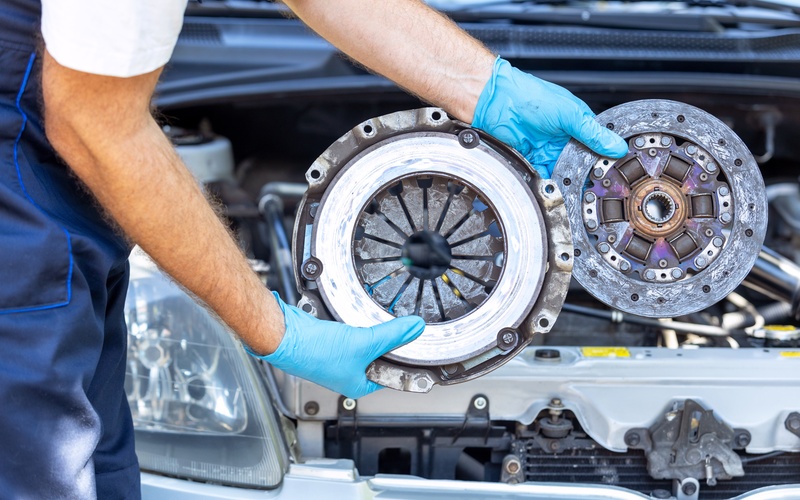
Inspecting a clutch disc typically requires removing the transmission, but external signs can provide clues without full disassembly. If accessible, measure the disc thickness with appropriate gauges and compare it to the manufacturer's specifications. Check for oil contamination, seen as dark stains on the disc surface, which may signal leaks from the engine rear main seal or transmission input shaft seal. Uneven wear patterns often entail issues with the pressure plate, flywheel, or improper installation.
Examine the disc springs and hub assembly for damage or excessive wear. Broken or weak springs can lead to engagement problems and noise, while worn hub splines may cause vibration and hinder smooth operation. A thorough inspection of these components will confirm proper clutch performance and longevity.
Evaluating Pressure Plate Performance
Pressure plate issues can appear as uneven engagement, reduced holding power, or total clutch failure. If this is the case with your clutch, you should be able to locate cracks or signs of overheating on the plate surface, like blue discoloration, during an inspection. Check the pressure plate fingers or diaphragm spring for proper height and ensure even contact with the release bearing. Use a dial indicator to measure pressure plate runout, as excessive runout leads to uneven engagement and premature clutch wear.
Inspect the pressure plate housing for cracks, especially around bolt holes or high-stress areas. A damaged housing cannot provide the necessary clamping force and risks complete clutch failure. Replace any pressure plate that shows cracks, overheating, or excessive wear to avoid further damage to the clutch system.
Assessing Pilot Bearing and Bushing Condition
Pilot bearings and bushings support the transmission input shaft, ensuring proper alignment with the engine crankshaft. Worn bearings can cause noise during clutch operation and vibration during engagement. Inspect for roughness, binding, or excessive play, and remove the bearing or bushing to check for wear, damage, or contamination. Replace any components showing signs of damage to avoid input shaft misalignment and premature clutch disc wear.
Proper installation is a necessity to maintain alignment and prevent damage. Use the right tools to seat the bearing or bushing completely and follow the manufacturer's torque specifications during installation.
When Professional Help Becomes Necessary
If these issues require more extensive clutch repairs, such as flywheel resurfacing, hydraulic system fixes, or transmission removal, it’s typically best to let a professional handle the heavy lifting. Clutch specialists and technicians have the special tools, precision, and professional expertise to best fix these problems quickly and effectively.
For complete replacements, vehicle owners will need an aftermarket clutch kit to replace their old one. For those who prioritize performance and durability, Clutch Masters has a wide range of aftermarket clutch components and kits to offer.
Maximizing Your Clutch System Performance With Clutch Masters
Proper clutch maintenance ensures your vehicle's performance, reliability, and reduced repair costs. Regular inspections, good driving habits, and addressing issues early can extend clutch life and prevent costly damage. When replacement is necessary, choose high-quality components that suit your vehicle and driving needs.
If you need to replace clutch components or the entire system, Clutch Masters can help with our high-performance and durable clutch parts and kits. Browse our inventory online or contact our staff to speak with a clutch expert today.