

How To Tell When It’s Time To Replace Your Clutch
For serious drivers, there is a sacred connection between foot and engine. The clutch is the critical link in that chain, translating every command into raw power on the pavement. A responsive, well-maintained clutch delivers crisp, immediate engagement, allowing you to extract maximum performance from your vehicle. When it starts to fail, however, that seamless connection breaks down, robbing you of power, precision, and confidence.
This guide will explain to drivers how to tell when it’s time to replace their clutch. We will explore the tell-tale symptoms, from a slipping grip to strange noises, and discuss the factors that accelerate wear and tear. Don't wait for a catastrophic failure on the track or the street; learn to read the signs and keep your performance at its peak.
The Role of the Clutch in Car Performance
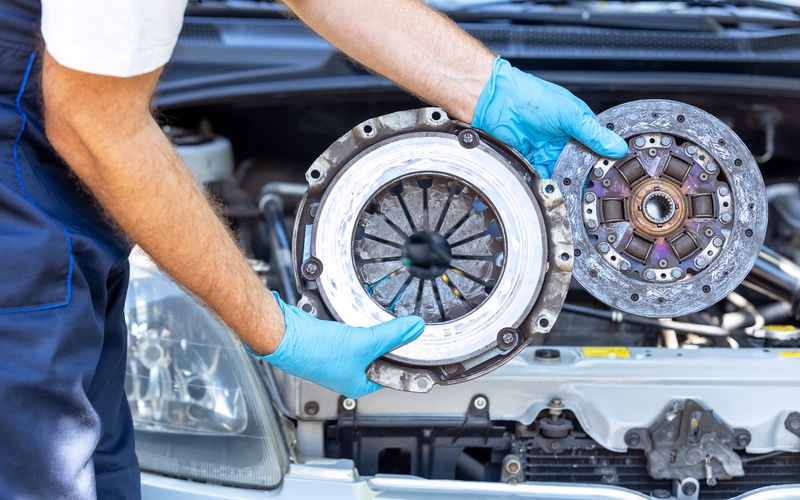
First, let’s review the clutch’s job in your vehicle’s performance. The clutch’s primary function is to engage and disengage the engine from the transmission, allowing you to shift gears smoothly and control the delivery of power to the wheels. When you depress the clutch pedal, you separate the clutch disc from the flywheel, interrupting the power flow. When you release it, the pressure plate clamps the disc firmly against the flywheel, re-establishing the connection and transferring torque.
This seemingly simple action is fundamental to vehicle control, especially in high-performance driving where every fraction of a second counts. A robust, high-performance clutch provides efficient and immediate power transfer, without slip or hesitation, giving the driver direct, tactile feedback for precision maneuvering.
Common Signs of Clutch Problems
A failing clutch rarely gives out without warning. It communicates its deteriorating condition through distinct symptoms, from how it feels when shifting, to odors in the vehicle, and even noises.
Slipping Clutch
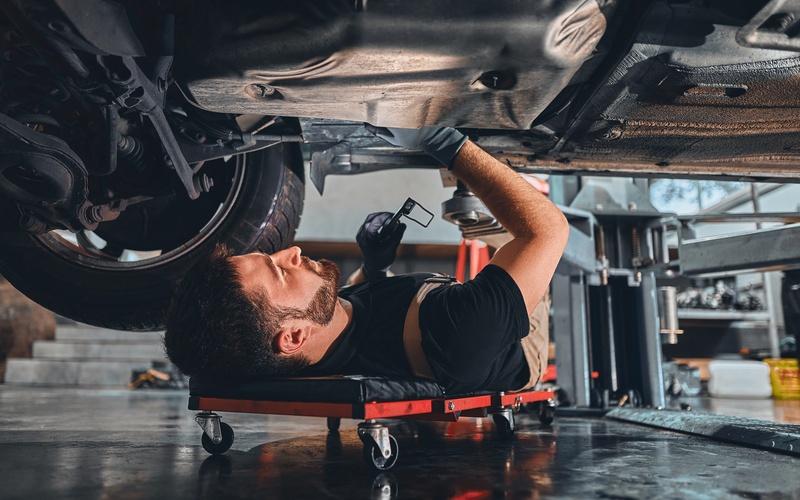
A slipping clutch is a definitive sign of clutch wear and failure. When a clutch disc fails to fully engage with the flywheel, it creates a disconnect between engine and wheel speed.
You will notice the engine's RPMs rise as you accelerate, but the vehicle's speed does not increase proportionally. It might feel as though the car is struggling to gain momentum, even as the engine roars. This slippage typically comes from a worn-out friction surface on the clutch disc, which can no longer generate the necessary grip to handle the engine's torque.
Burning Smell
A distinct, acrid burning smell, like burning rubber or singed electrical wiring, is a serious red flag. Excessive friction and intense heat that a slipping clutch generates can cause this odor.
The friction material on the clutch disc is overheating as it slips against the flywheel, literally burning away. This smell is most common during aggressive driving, on steep inclines, or when towing, as these situations place immense strain on the clutch.
Clutch Chatter
Another way to tell when it’s time to replace your clutch is what mechanics call clutch chatter. Clutch chatter is a noticeable shuddering or vibration when you engage the clutch from a standstill. Instead of a smooth engagement, the vehicle jerks forward as the clutch grabs and releases erratically.
Several issues, including contamination of the clutch disc with oil or grease, a warped flywheel, or hot spots on the pressure plate surface, can cause this vibration. The uneven grip prevents a smooth power transfer, resulting in a jarring, unpleasant driving experience.
Difficulty Shifting
If you find it increasingly difficult to engage or disengage gears, the clutch may be at fault. A worn or failing clutch system may not disengage fully when you press the pedal. This "clutch drag" means the clutch disc continues to spin with the engine, making it hard for the transmission's synchronizers to match gear speeds. You might experience resistance when shifting into first gear from a stop or hear a grinding noise when shifting between gears while moving.
Unusual Noises
Your vehicle’s clutch system should operate almost silently. The introduction of new and unusual noises is a clear signal that something is wrong. A squealing or chirping sound when you press or release the clutch pedal can point to a worn or failing throw-out bearing. A grinding noise when depressing the pedal could indicate a problem with the pressure plate or transmission input shaft bearing.
High Pedal Effort
While some high-performance clutches naturally require more pedal effort, a sudden or gradual increase in the necessary force to depress the clutch pedal is a sign of a problem. A binding linkage can cause this resistance, a failing pressure plate, or issues with the hydraulic system, such as a faulty master or slave cylinder. The pedal may also feel spongy or stick to the floor, indicating a loss of hydraulic pressure.
Factors That Affect Clutch Life
Your clutch does not have a fixed lifespan. Many factors influence the durability of your clutch, from how you drive to how you use your vehicle, and more.
Driving Habits
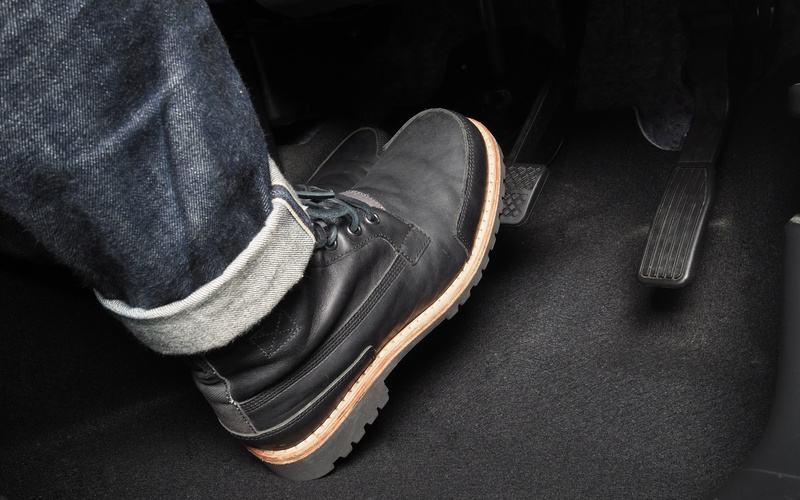
Aggressive driving habits are the single greatest contributor to premature clutch wear. "Riding the clutch" by resting your foot on the pedal, performing harsh, high-RPM launches, and executing rapid, jarring shifts all generate excessive heat and friction, accelerating the degradation of the clutch disc. Always smoothly and deliberately engage and disengage the clutch to protect its longevity.
Vehicle Use
The environment in which you drive plays a significant role. Constant stop-and-go city driving requires frequent clutch use, causing more rapid wear than long-distance highway driving. Performance driving on a track, with its constant acceleration and deceleration, places the highest demand on a clutch system.
Maintenance
Proper maintenance is vital to your clutch’s lifespan. The clutch operates as part of a larger system, and the health of related components, such as the hydraulic system, is critical. Regularly checking and changing the hydraulic fluid, if applicable, and properly adjusting and lubricating all mechanical linkages can extend the life of your clutch by years.
Clutch Replacement
When one or more of these symptoms become persistent, it is time to replace the clutch. Continuing to drive on a failing clutch compromises performance and safety and risks damaging other expensive components, like the flywheel and transmission.
The replacement process is labor-intensive. It involves separating the transmission from the engine to access the clutch assembly. Typically, it’s best to replace the pressure plate, clutch disc, and throw-out bearing completely with an aftermarket clutch kit. This is also the ideal time to inspect the flywheel and either resurface or replace it, confirming a perfectly flat mating surface for the new clutch.
Find a Replacement at Clutch Masters Industries
Your clutch is more than just a part; it is the foundation of your vehicle's performance. A failing clutch is a weak link that will undermine your entire driving experience. By learning to recognize the signs of wear and understanding the factors that affect its lifespan, you can ensure your machine always delivers the precision and power you demand.
For enthusiasts and racers who demand nothing less than peak performance, Clutch Masters offers engineered solutions built for champions. We craft our high-performance clutch systems with proprietary friction materials and innovative Hi-Leverage™ technology to deliver supreme holding power and durability without compromising pedal feel. Explore our range of racing-ready clutch kits and experience the difference that superior engineering makes.