

Measuring Preload in a Twin-Disc Clutch Assembly
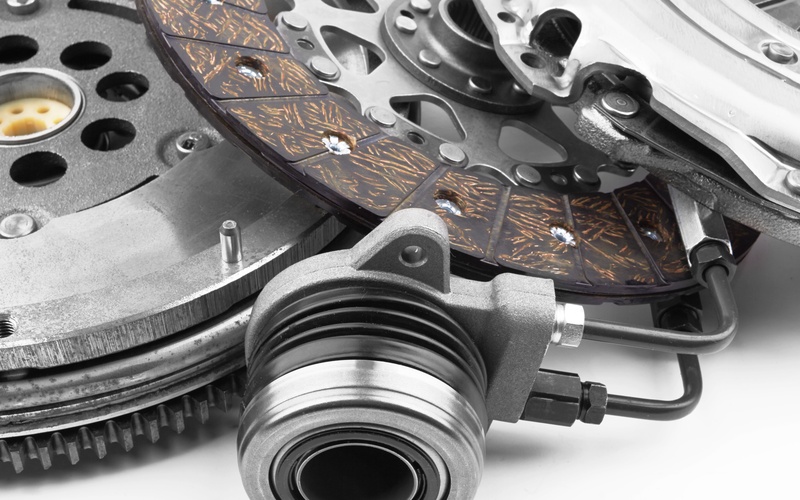
A twin-disc clutch assembly depends on precise component relationships to deliver consistent engagement, holding power, and drivability. Among those relationships, preload plays a central role. When preload falls within the intended range, the clutch can apply force the way the design requires. When it falls outside that range, the assembly can behave in ways that affect release, engagement quality, and long-term performance.
For performance-minded drivers and builders, preload is part of what helps a clutch assembly respond the same way from one shift to the next. Below, we’ll break down what preload means in a twin-disc clutch assembly, why it matters, and what technicians look for when they measure it.
What Preload Means in a Twin-Disc Clutch Assembly
In a twin-disc clutch assembly, preload refers to the force built into the clutch pack when installing and clamping together the assembly according to its design. That built-in force helps keep the discs, floater plate, pressure plate, and related components working within the intended range. It supports stable contact, predictable release behavior, and consistent clamp characteristics.
Preload is not the same thing as simple bolt torque or general clutch adjustment. It relates to the installed relationship between the clutch components and the spring force acting through the assembly. In practical terms, preload reflects how the stack of parts sits when the clutch is assembled and compressed to spec.
That distinction matters because a dual-disc clutch setup includes more components than a single-disc system. With an extra disc and floater plate in the stack, the total assembly height and internal clearances become more critical. A small change in wear, machining, or part mismatch can influence how the assembly loads and releases.
Why Preload Matters
Preload affects more than one aspect of clutch behavior. It influences how the assembly clamps, how it releases, and how evenly it manages load across the friction surfaces. When preload stays within the proper range, the clutch is more likely to deliver the balance of holding power and drivability the application calls for.
If the preload is too low, the assembly may not behave with the firmness or consistency the design expects. Engagement characteristics can change, and the relationship between release travel and clutch separation may no longer match what the system needs. In a performance application, this can cause frustration on the street or inconsistency at the track.
If the preload is too high, the clutch can also present problems. It can place components in a less favorable operating range and make the clutch feel less controlled than intended.

How Preload Fits into the Clutch Stack
To understand preload clearly, it helps to look at the clutch stack as a system instead of a loose group of parts. In a twin-disc assembly, the stack usually includes the flywheel friction surface, the first disc, the floater plate, the second disc, and the pressure plate side of the assembly. Spring force acts through that stack when bolting the clutch together.
Each component contributes to the total stack height. Friction disc thickness matters. Floater plate condition matters. Surface wear matters. Even slight dimensional differences can change how the assembly compresses.
That is one reason twin-disc clutches require careful attention during assembly and inspection. In a twin-disc setup, the added components increase the need for precision. The assembly still must operate as one unit, and preload is one of the key indicators that the stack is sitting where it should.
When Technicians Check Preload
Measuring preload in a twin-disc clutch assembly is important during assembly, inspection, rebuild evaluation, or troubleshooting. A fresh installation may require confirmation that the stack and related parts match the specification for that clutch. A used assembly may need inspection because of a change in engagement, a shift in release quality, or because you suspect wear.
In a performance environment, preload checks become even more valuable because clutch assemblies can see frequent heat cycles and high-load use. Hard launches, aggressive shifting, and track time can accelerate wear compared with normal street driving. As the clutch pack wears, the installed relationship between components changes.
Technicians also check preload when they want to rule out other causes of poor clutch behavior. Hydraulic issues, release system geometry, flywheel condition, and installation errors can all affect clutch performance.
How To Measure Preload
The exact measurement method depends on the clutch design and the manufacturer’s process, but the general principle stays the same. The technician assembles the clutch components in the necessary order and measures the installed relationship that reflects spring load on the stack. That process may involve checking installed height, stack height, or another related dimension that the manufacturer uses to verify preload.
Accuracy matters at every step. The parts must be clean, correctly positioned, and compatible with the assembly being measured. The technician also needs the correct specification for that exact clutch model. A measurement has little value if you compare it against the wrong baseline.
Consistent technique is just as important. If the parts are not sitting squarely or the measurement method changes from one check to the next, the results can become misleading.
What Can Change Preload Over Time
Wear is the most obvious factor. As the friction material wears down, the total stack height changes. That change affects how the clutch pack sits under spring load and can move preload away from the intended range.
Heat also plays a role. Repeated high-temperature use can affect friction surfaces, metal components, and the overall condition of the clutch pack. While the clutch may still function, its internal relationships can shift enough to affect performance and measurement results.
Improper resurfacing or mismatched parts can create similar issues. If a flywheel, floater, or related component no longer matches the clutch design requirements, the installed dimensions may change.

Why Correct Service Matters More Than Quick Fixes
When the preload falls outside the specification, the real issue is not just the number itself. The number points to wear, dimensional change, or a component condition to address. In a performance clutch assembly, that means proper service matters more than trying to force the stack back into range through shortcuts.
A twin-disc clutch works as a complete system. If the assembly has worn beyond specification, it needs the right rebuild or replacement approach based on its condition. That protects performance, supports reliability, and helps prevent confusion about how the clutch should behave when new versus how it behaves after substantial use.
This matters for owners and installers because it frames preload as a diagnostic value, not a tuning trick. Measuring preload helps identify whether the clutch remains in spec. If it does not, the answer is to correct the underlying condition with proper service.
Final Thoughts
Understanding preload is essential to understanding how a twin-disc clutch assembly performs under real-world conditions. Because preload affects clamp load, release behavior, and the overall relationship between the clutch stack components, accurate measurement helps confirm whether the assembly is still operating as intended or if wear has pushed it out of spec. For drivers, builders, and installers, that makes preload an important part of both diagnosis and long-term clutch performance. If you need expert guidance on clutch selection, service, or replacement parts for your application, contact Clutch Masters to find the right solution for your build.