

Torque Capacity vs. Clamping Force: Finding a Balance
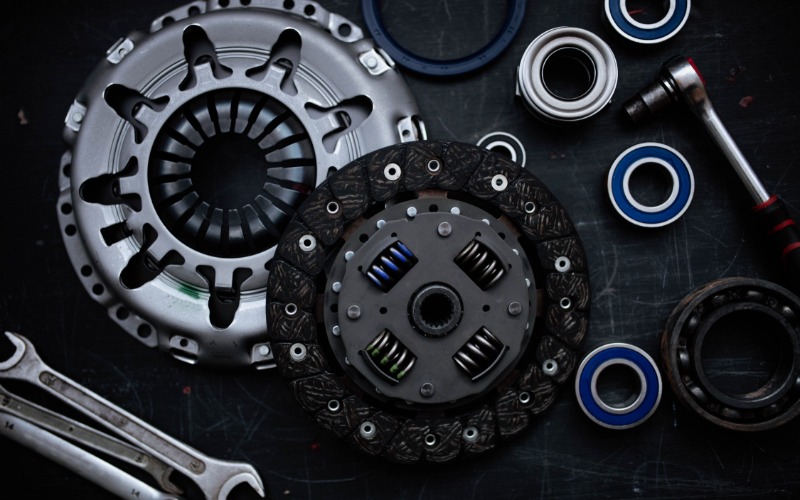
When drivers start comparing clutch performance, two terms come up repeatedly: torque capacity and clamping force. They sound similar, but they do not mean the same thing. Each one affects how a clutch holds power, how it feels underfoot, and how it behaves in real driving conditions.
The challenge is balance. A clutch needs enough holding power to manage engine output, but it also needs to engage in a controlled, usable way. Understanding the relationship between torque capacity and clamping force helps drivers make smarter decisions when they upgrade a clutch system. Below, we’ll explain what to know when it comes to finding a balance for torque capacity and clamping force.
What Torque Capacity Means
Torque capacity refers to the amount of engine torque a clutch can hold without slipping. In simple terms, it measures the clutch’s ability to transfer power from the engine to the transmission. If the engine produces more torque than the clutch can manage, the clutch can slip under load.
That slip may show up during hard acceleration, aggressive shifts, or high-load conditions such as climbing grades or repeated track use. Torque capacity depends on more than a single component. Pressure plate design, friction material, disc diameter, disc count, and surface condition all play a role. That is why two clutch setups with similar pedal feel can have very different holding ability.
What Clamping Force Does
Clamping force is the amount of pressure the pressure plate applies to the clutch disc against the flywheel. That pressure creates the friction to hold torque. Without enough clamping force, the disc cannot maintain a firm connection between rotating surfaces under load.
It helps to think of clamping force as one part of the formula that creates torque capacity. More clamp load can increase holding power, but that does not mean more is always better. Drivers sometimes assume the strongest clutch is simply the one with the highest clamp load. Clamping force matters, but the clutch’s friction characteristics and overall design matter just as much.
Why These Two Factors Get Confused
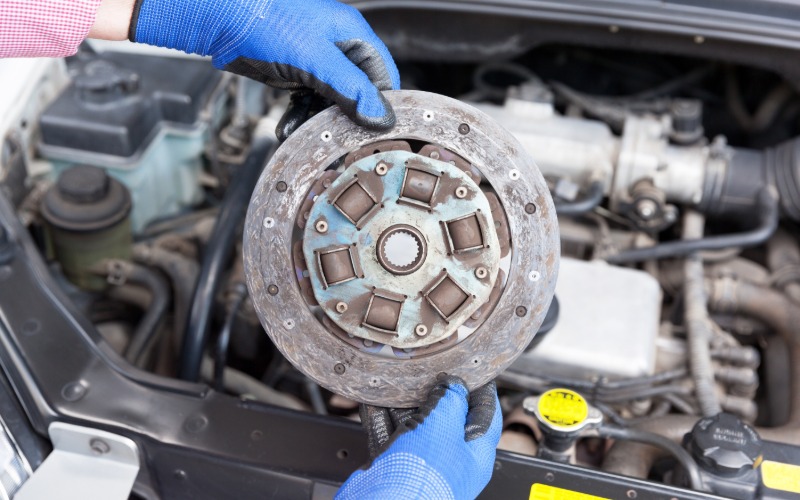
Torque capacity and clamping force connect closely, so people tend to treat them as interchangeable, but they’re not. Clamping force contributes to torque capacity, but torque capacity describes the outcome of the entire clutch system working together.
That difference matters when selecting an upgrade. A driver may choose a clutch with extremely high clamp load, expecting better performance, only to end up with a setup that feels too aggressive for street use. Another driver may want a light pedal and smooth engagement, but if the clutch lacks the total holding ability necessary for the vehicle’s torque output, it may not last.
How Friction Material Changes the Equation
Friction material has a major effect on torque capacity. The material on the disc determines how the clutch engages, how much friction it generates, and how it responds to heat. Because of that, engineers can increase holding power through material choice instead of relying only on additional clamp load.
Clutch Material Choices and Torque Capacity
Organic materials usually provide smooth engagement and good street manners. They work well for many daily-driven cars, especially when the vehicle stays near stock power levels. They typically prioritize drivability over maximum holding power.
Ceramic, metallic, and other performance-oriented materials increase friction and improve torque handling, especially in demanding applications. These materials can support higher output with less dependence on extreme clamp load, but they may engage more abruptly.
This is where balance becomes critical. A clutch with the right friction material can hold substantial torque while maintaining a reasonable pedal feel. That approach usually creates a better driving experience than simply increasing spring pressure as much as possible.
Why Disc Design Matters Just as Much
Disc design also affects the relationship between clamp load and torque capacity. A single-disc clutch can work extremely well in many applications, but once torque demands rise beyond a certain point, engineers may turn to twin-disc configurations to gain additional holding power without making the pedal excessively heavy.
A twin-disc clutch increases surface area. With more friction area available, the system can hold more torque while keeping the clamping force at a manageable level. That design gives performance vehicles a way to support serious power without forcing the driver into a punishing pedal feel.
The Drivability Tradeoff
Every clutch choice comes with a compromise. As clamping force rises, pedal effort usually rises too. That can make the car less comfortable in traffic, less consistent for daily use, and more tiring for the driver over time.
Engagement quality can change as well. A clutch with aggressive materials and high clamp load may grab hard and hold strong, but it can feel abrupt when starting from a stop. That behavior may be perfectly acceptable in a track-focused car, but it can become frustrating in a street car that sees regular commuting.
Matching the Clutch to the Vehicle’s Real Use
The best clutch for one vehicle may be the wrong choice for another with similar power. A street-driven car needs predictable engagement, reasonable pedal effort, and durability across many driving conditions. It still needs sufficient torque capacity, but the setup should not sacrifice everyday control just to gain holding power that the driver may never use.
A track or competition vehicle can accept more compromise. Drivers in those environments may prioritize heat resistance, quicker engagement, and greater torque holding over smooth takeoffs or low pedal effort. Even then, balance still matters. A clutch that is too aggressive can reduce consistency and make the car harder to manage.
Signs the Balance Is Wrong
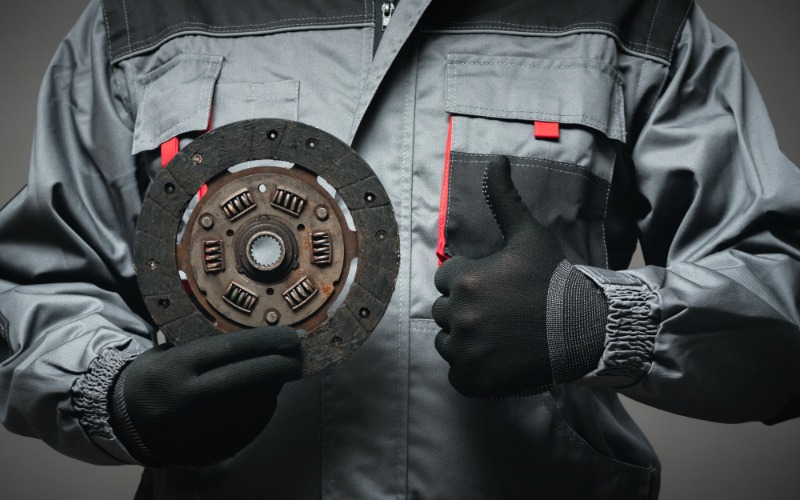
When finding a balance of torque capacity and clamping force, the car will tell the driver when something is off. If the torque capacity is too low for the application, the most obvious symptom is slip under load. Heat spots, glazing, and premature wear may follow.
If the system leans too far toward excessive clamp load, the symptoms look different. The pedal may feel unnecessarily heavy. Engagement may become harsh or difficult to modulate. The release system may show greater wear, and the car may feel less refined than it needs to be.
Why Balance Delivers Better Performance
The strongest clutch on paper is not always the best clutch in practice. Real performance comes from a system that transfers power reliably, engages predictably, and supports the driver’s goals without creating unnecessary drawbacks.
A balanced clutch setup gives the vehicle enough torque capacity to hold power with confidence. At the same time, it avoids excessive clamp load that can hurt pedal feel, release quality, and long-term drivability. That balance supports better control, better consistency, and a better overall driving experience.
Conclusion: Choose the Right Balance for Your Build
Balancing torque capacity and clamping force comes down to matching the clutch to the vehicle, the power level, and the way the car gets driven. A well-designed clutch should hold torque without creating more pedal effort, harsher engagement, or more system stress than necessary.
If you are comparing performance clutch kits for your build, Clutch Masters can help you choose a setup that delivers the holding power, drivability, and reliability your application demands. Contact our staff to speak with a clutch expert about your build today.