

Why Hydraulic Clutch Systems Outperform Cable Designs
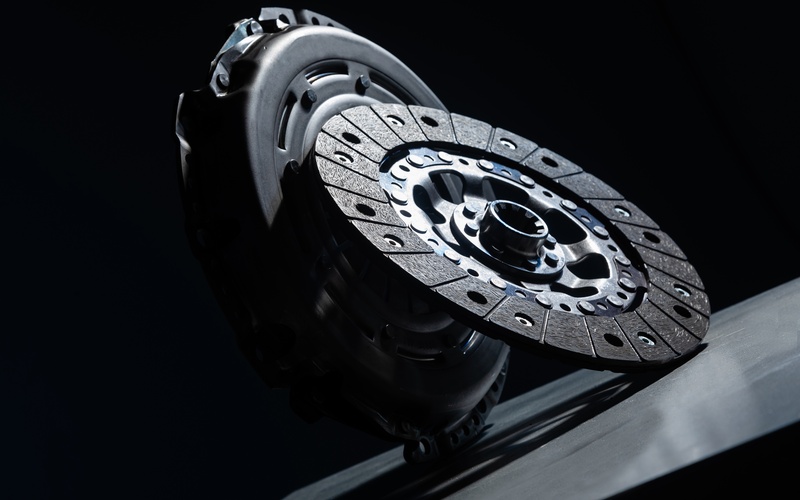
Drivers who care about performance tend to focus on clutch discs, pressure plates, and flywheels first. Those components matter, but the actuation system also plays a major role in how a clutch feels and responds. The difference between a hydraulic setup and a cable-operated design can shape pedal effort, engagement consistency, and long-term drivability. Keep reading to understand why hydraulic clutch systems outperform cable designs.
Why Actuation Style Matters
That difference between hydraulic and cable clutches becomes even more noticeable when a vehicle sees harder use. Street driving in traffic, spirited back-road runs, and track sessions all put demands on the clutch system. A design that delivers smooth, repeatable operation gives the driver more control behind the wheel.
Modern vehicles moved toward hydraulic actuation for good reason. Hydraulic systems create a more refined and consistent experience than cable designs, especially when clutch loads increase. That is why many performance-minded drivers view them as the better solution for both daily use and serious driving.
Hydraulic Clutches Deliver Consistent Engagement
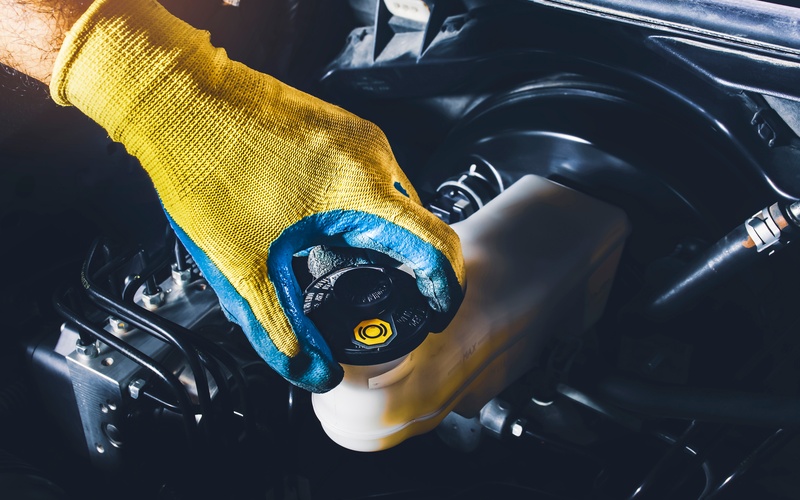
One of the main reasons why hydraulic clutch systems outperform cable designs is that they provide more consistent engagement. A hydraulic clutch system uses fluid pressure to transfer pedal input from the master cylinder to the slave cylinder. That pressure moves the release mechanism with a smooth, controlled action. In practical terms, the driver gets a more predictable engagement point and a more uniform pedal feel.
Why Cable Systems Change Over Time
Cable systems rely on a physical cable that pulls the clutch release arm. That sounds simple, but the cable itself can stretch, bind, or wear over time. As those issues develop, the pedal feel changes, and the clutch may begin to engage differently from one drive to the next.
Hydraulic systems avoid many of those inconsistencies. Because fluid transfers force evenly through a sealed system, the clutch action stays more stable under normal conditions. Drivers feel that greater stability when they launch from a stop, shift quickly, or modulate the clutch in tight traffic.
Pedal Effort Stays Smoother Under Load
High-performance clutch assemblies usually require more clamping force than stock components. As clutch capacity increases, pedal feel can become heavier if the actuation system does not manage that load well. This is one of the biggest reasons hydraulic systems stand out.
How Hydraulic Systems Manage Heavier Clutches
A hydraulic design can provide mechanical advantage in a way that makes pedal operation feel smoother and more manageable. The system balances driver input through fluid pressure instead of depending on the direct pull of a cable. That makes it easier to maintain a comfortable pedal feel even when the clutch itself handles more torque.
Cable systems tend to reveal their limits sooner as clutch demands rise. A heavier pressure plate can translate into a noticeably heavier pedal. That can make the car less enjoyable to drive, especially in stop-and-go traffic or during longer sessions behind the wheel.
Hydraulic Systems Compensate Better for Wear
Every clutch system changes as components wear. Friction material thins out, tolerances shift, and the release point can move over time. The actuation system does not stop that wear, but it can make those changes easier to live with.
How Wear Affects Engagement
Hydraulic systems generally self-adjust as the clutch wears. Because the system operates through fluid movement, it can maintain a more stable feel without requiring the same level of manual correction as cable-operated setups. That helps preserve consistent engagement over a longer span of use.
Cable systems typically require adjustment to maintain proper operation. As the cable stretches and the clutch wears, the free play and engagement position can change. Without proper adjustment, the system may feel sloppy, engage too high or too low, or create stress on components.
Heat, Friction, and Routing Favor Hydraulic Designs
Under-hood conditions can be harsh. Heat, vibration, and tight packaging all work against mechanical components. Cable systems must route a physical cable through the engine bay and firewall, which creates several opportunities for drag, wear, and interference.
Where Cable Routing Creates Problems
A cable can rub against surrounding parts, develop resistance in its housing, or react poorly to sharp bends in the routing path. As friction increases, pedal action becomes less smooth. In some cases, the cable may fray or bind enough to create a serious drivability problem.
Hydraulic systems handle routing differently. Fluid lines offer more flexibility in packaging and do not depend on a long cable sliding through a sheath. That gives engineers and builders more freedom when space gets tight, especially in modified vehicles where stock layouts may change.
Driver Feedback Feels More Refined
A better clutch system should not numb the driving experience. It should deliver control without turning every shift into extra work.
What Refined Feedback Means
Refined feedback does not mean vague feedback. A properly set up hydraulic system still lets the driver sense the clutch engagement zone. The difference is that the input feels cleaner and more progressive, which makes the car easier to launch and easier to shift smoothly.
Cable systems can feel direct when new and properly adjusted, but that feel may degrade as the cable ages. The pedal can become notchy, inconsistent, or heavier than expected. Those traits reduce confidence and make precise clutch modulation harder.

Performance Builds Benefit from Better System Control
As power levels rise, every supporting system matters more. A performance clutch assembly must transmit torque reliably, but it also needs an actuation system that can manage that load without compromising drivability.
Why Upgraded Cars Need Better Actuation
Many upgraded vehicles demand stronger clutch setups to handle added horsepower and torque. When those upgrades pair with hydraulic actuation, the driver gains a better balance between holding power and pedal control. That combination helps the car remain usable on the street while still supporting aggressive driving.
Cable systems can still work in the right application, but they usually offer less refinement and less adaptability when performance demands increase. Drivers may accept those drawbacks for the sake of simplicity, but they are still drawbacks.
Why Hydraulic Systems Fit Modern Performance Goals
For enthusiasts who want smooth operation, better consistency, and a more modern driving feel, hydraulic systems present a stronger solution. They do not just replace a cable. They improve the entire interaction between driver and clutch.
Why the Difference Matters in Real-World Driving
The advantage of a hydraulic clutch system does not live only on paper. Drivers feel it every time they pull away from a stop, shift through the gears, or manage clutch engagement in traffic. Smoother effort, more stable engagement, and less need for adjustment all improve the driving experience in ways that matter day after day.
Conclusion
Hydraulic clutch systems outdo cable designs because they provide smoother pedal effort, more consistent engagement, better compensation for wear, and cleaner operation under demanding conditions. They give drivers a more refined and controlled feel, especially when paired with performance-oriented clutch components.
If your vehicle has a hydraulic clutch and you need hydraulic clutch parts, there’s no better place to go than Clutch Masters. View our collection of clutch parts online, or contact our staff to speak with a hydraulic clutch expert.