

How To Decide Between Resurfacing or Replacing a Flywheel
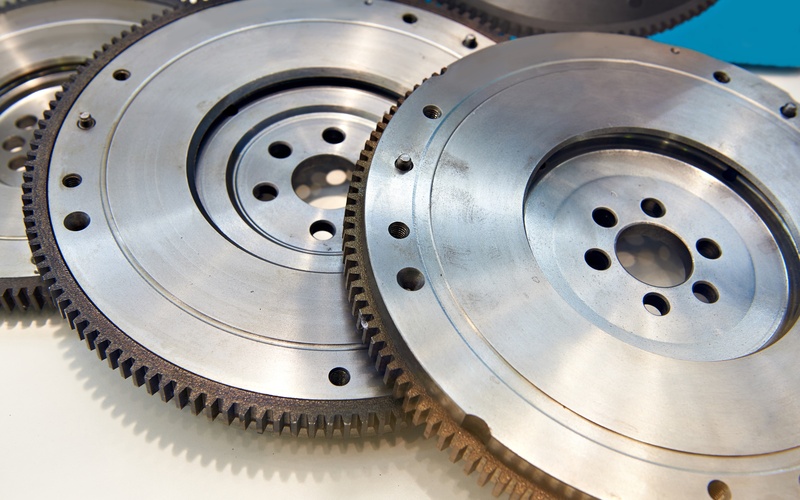
When a clutch job comes up, you should never treat the flywheel like an afterthought. Its condition affects clutch engagement, heat management, pedal feel, and long-term reliability. Even a new, high-performance clutch can’t perform at its peak with a compromised flywheel.
That is why the decision to resurface or replace matters during any clutch service. The right choice depends on the flywheel design, the amount of wear, and how you drive the vehicle. Below, we’ll show you how to decide between resurfacing or replacing a flywheel.
Start With the Type of Flywheel
Before deciding whether to resurface or replace, identify the type of flywheel in the vehicle. That step matters because you shouldn’t machine every flywheel, and not every design responds to wear in the same way.
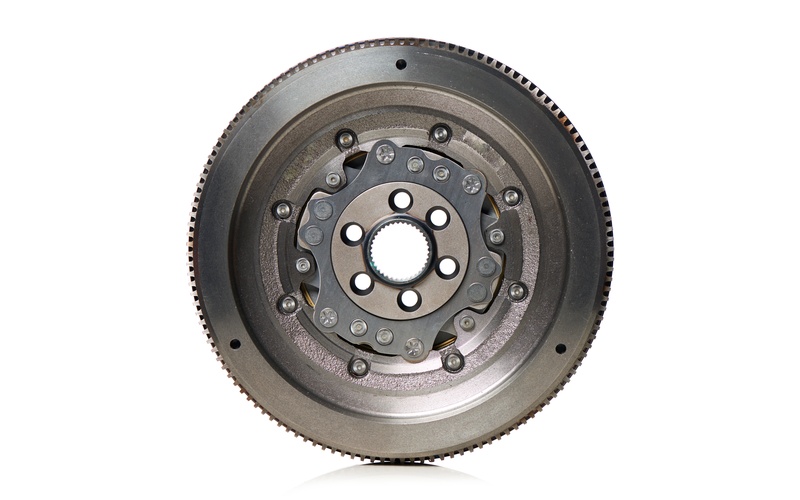
Drivers can usually resurface a conventional steel flywheel if it remains within specification and the damage stays limited to the friction surface. A factory dual-mass flywheel is a different case because it uses two sections and an internal damping mechanism. This makes it not suitable for conventional flywheel service or standard resurfacing.
Material also changes the decision. Some performance flywheels use billet steel, while others use aluminum with a replaceable friction insert. In that setup, service may involve replacing the insert instead of machining the flywheel face.
What Resurfacing Actually Does
Resurfacing removes a thin layer of material from the friction surface to restore a clean, flat contact area for the clutch disc. The goal is to remove glazing, smooth minor scoring, and create the correct surface finish for consistent engagement. When done properly, resurfacing can help prevent chatter and improve the break-in process for the new clutch. It can be a practical solution when the wear stays light, and the flywheel remains structurally sound.
Still, resurfacing only addresses surface condition. It does not correct cracks, severe heat damage, excessive warping, or deeper structural problems. If the flywheel is beyond its service limits, machining the face will not restore its reliability.
When Resurfacing Makes Sense
Resurfacing can be the right move when the friction surface shows light wear, but the flywheel still meets all service specifications. Minor glazing, shallow grooves, and slight surface discoloration may be acceptable if the part remains flat and strong. A proper inspection should always come before machining. Technicians must check the flywheel for runout, step height where applicable, thickness, and any signs of cracking or distortion.
Vehicle use also matters. A lightly modified street car with normal clutch wear may be a strong resurfacing candidate. A high-horsepower application that sees repeated clutch slip or hard launches deserves much closer scrutiny, because the surface may hide more serious heat-related damage.
When Replacement Is the Better Call
Replacement becomes the better choice when the flywheel shows cracking, deep scoring, severe heat checking, or blue spots from excessive temperature. Those signs point to intense stress on the material that can affect clutch performance and long-term durability. Replacement is also the safer route when resurfacing would remove too much material. Clutch systems rely on correct geometry, and changing the flywheel dimensions too much can create release issues, engagement problems, or uneven wear on the new clutch.
Dual-mass flywheels deserve extra caution. If a dual-mass unit shows looseness, internal wear, noise, or overheating, resurfacing is usually not the answer. In most cases, replacement is the proper repair.
Why Heat Damage Changes Everything
When deciding between resurfacing or replacing a flywheel, heat damage is one of the first factors to consider. Heat is one of the clearest reasons to replace rather than resurface. Excessive clutch slip, aggressive driving, repeated launches, towing, or improper break-in can all drive temperatures high enough to damage the flywheel surface.
That heat can create hard spots, fine cracks, or friction inconsistencies that do not disappear after machining the surface. A flywheel may look better after resurfacing and still cause chatter, uneven engagement, or premature wear on the new clutch.
Steel, Aluminum, and Dual-Mass Flywheels Require Different Thinking
Steel flywheels are usually the most straightforward to service. They are durable, predictable, and frequently resurfaced when the wear remains within limits. For many street and performance applications, they offer a solid balance between strength and serviceability.
Aluminum flywheels require a different approach. Many use a replaceable steel friction insert, which renews the wear surface without machining the flywheel body itself. In those cases, the service decision centers on an insert’s condition rather than traditional resurfacing.
Dual-mass flywheels are the least friendly to resurfacing. Their internal construction adds complexity, and once wear or damage develops, replacement is usually the more practical path. That is one reason many performance-minded drivers consider moving to a single-mass flywheel when the factory flywheel reaches the end of its service life.
Consider How You Use the Vehicle
The right choice should match the vehicle’s real use, not just the visible wear on the part. A daily-driven street car with mild wear and a serviceable steel flywheel may do perfectly well with resurfacing. In that situation, machining can restore the surface without changing how the vehicle feels on the road.
A performance build may point in another direction. If the goal is to improve throttle response, reduce rotating mass, or replace a worn factory dual-mass flywheel, replacement can make more sense than trying to save the original part. That is especially true when the existing flywheel no longer fits the power level of the vehicle.
Make the Call While the Transmission Is Out
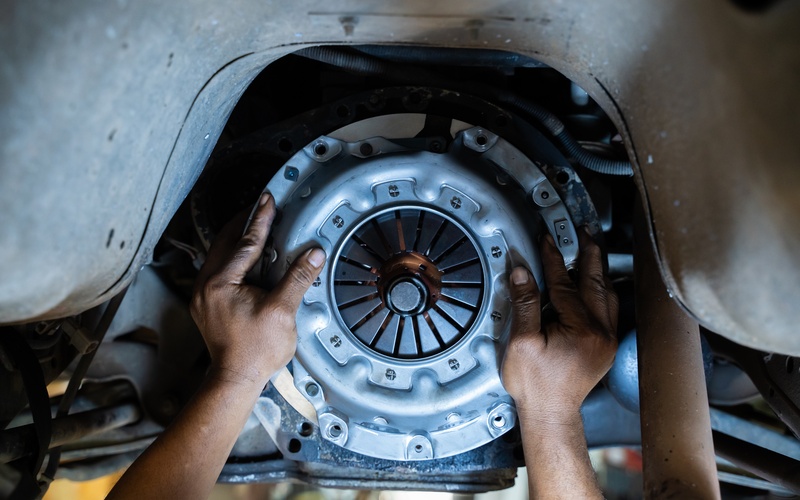
The best time to make this decision is during the clutch job, when the transmission is already out. Labor is a major part of clutch service, so reusing a questionable flywheel to save money on parts can create higher costs later.
The focus should be on doing the job once and doing it right. If the flywheel is clearly within spec and the wear is minor, resurfacing may be a sound decision. If there is any real concern about condition or reliability, replacement is usually the smarter investment.
Base the Decision on Condition, Not Habit
There is no automatic rule when it comes to resurfacing vs. replacing flywheels. The correct answer depends on the flywheel type, the condition of the friction surface, the amount of heat damage, and the service limits for that part.
A conventional steel flywheel with light wear may be a strong resurfacing candidate. A dual-mass flywheel, an overheated unit, or any flywheel with cracking or major surface damage usually points toward replacement. Aluminum designs with replaceable inserts may follow a separate service path altogether.
Choose the Right Flywheel Service for Long-Term Performance
Deciding between resurfacing and replacing a flywheel comes down to the type of flywheel, the amount of wear, and how you use your vehicle. A serviceable steel flywheel with minor surface wear may be a good candidate for resurfacing, while a dual-mass flywheel, an overheated unit, or any flywheel with cracks or heavy scoring usually calls for replacement. Making the right choice during a clutch job helps protect clutch performance, drivability, and long-term reliability. If you are ready to upgrade or replace worn components, explore Clutch Masters Industries for high-quality flywheel and clutch solutions built for serious performance.