
Load Transfer Estimates When Using Twin Discs
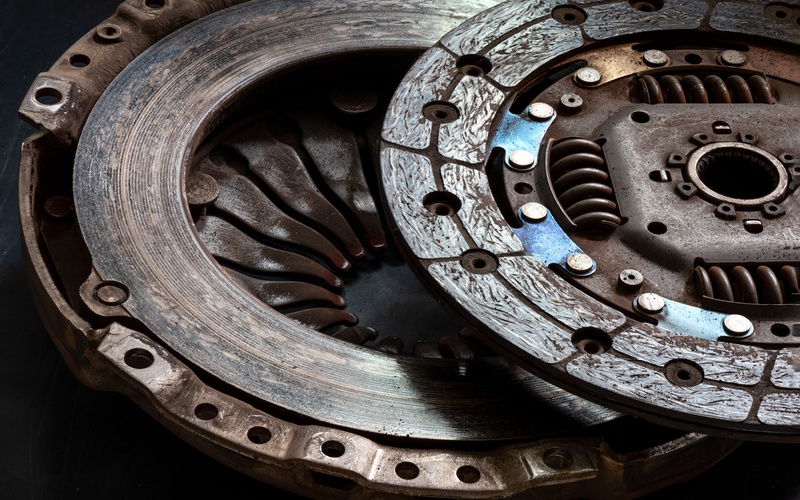
A twin-disc clutch can hold more torque than a comparable single disc, but the “why” matters if you’re estimating load transfer through the drivetrain. When you change clutch capacity, engagement behavior, and rotating inertia, you also change how torque ramps in, how much shock the driveline sees, and where the weak links tend to show up.
This guide focuses on load transfer estimates when using twin discs. The goal is not perfect modeling. The goal is to know whether a setup is likely to be smooth and durable, or harsh and hard on parts.
What “Load Transfer” Means in This Context
In clutch terms, load transfer is how long it takes to apply engine torque to the transmission input shaft and the rest of the driveline as the clutch transitions from slip to lock. The faster the torque rises during engagement, the more the driveline experiences a step-change in load.
A slow, controlled rise tends to feel smooth and is generally easier on components. A sharp rise can feel like a hit, and that hit shows up as stress in the input shaft, gears, axles, CV joints, driveshafts, and the differential.
Why Twin Discs Change the Load Picture
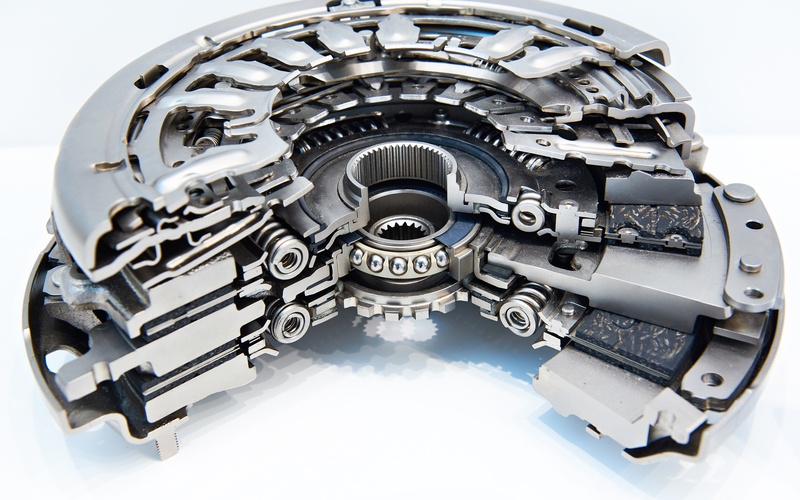
Twin discs usually change load transfer for three reasons: the system has more working friction interfaces, it can reach a given torque target with different clamp-load requirements, and it behaves differently during engagement. A typical single-disc clutch has friction acting on both sides of one disc. A typical twin-disc setup increases the number of working friction surfaces, which increases torque capacity for the same clamp load and friction material. That’s why many twin-disc systems can achieve high holding power without resorting to the heaviest pressure plate options.
That capacity headroom is helpful, but it can also increase driveline shock if you configure the clutch to grab quickly. The driveline only cares about the torque it receives and how fast it receives it. If the double disc clutch engages abruptly because of friction material choice, floater behavior, disc design, pressure plate characteristics, or driver modulation, load can transfer as a sharp spike.
A Practical Way to Estimate Torque Transfer During Engagement
You don’t need perfect data to make a useful estimate. You need a reasonable torque number, a reasonable ramp time, and a sanity check against traction and driveline limits.
Step 1: Choose The Torque Reference You’ll Use
Start by picking the torque value you’re basing everything on, then stick with it. You can use engine torque at the crank from a dyno curve, an estimated peak torque at the RPM where engagement happens, or an estimate that accounts for boost or nitrous coming in during the event. For load transfer, the torque near the moment of clutch engagement matters more than peak power at the top of the curve.
Step 2: Convert To Transmission Input Torque
For a quick comparison between setups, treat transmission input torque as roughly equal to engine torque. If you want a slightly more realistic estimate, you can apply a modest reduction for losses, but the exact factor matters less than being consistent across the scenarios you’re comparing. The goal is to understand directionally how much torque the input shaft sees and how quickly that torque arrives.
Step 3: Estimate The Torque Ramp Time
Torque ramp time is the biggest driver of shock. If torque rises from near-zero to near-full in a very short time, the driveline sees a steep load step rather than a smooth build.
A simple way to frame it is to think in terms of ramp rate: transferred torque divided by the time it takes to reach full engagement. A clutch that comes in over a few tenths of a second is typically gentler than one that bites in a fraction of that time. Twin discs can behave either way depending on configuration, friction material, and setup.
Step 4: Compare Ramp Behavior Against Traction
Traction determines where the shock goes. If the tires spin, they absorb energy through slip and can reduce the load spike seen by the driveline. If the tires hook, more of that shock transmits into drivetrain components.
This is why the same twin-disc that feels manageable on street tires can become harsh when you move to a stickier compound, a prepped surface, or an AWD launch. If you’re increasing clutch capacity and increasing traction, assume you are increasing the odds of shock-related failures unless you tune the engagement to be more progressive.
Step 5: Sanity Check the Likely Weak Links
Once you have a sense of the torque level and the quickness of its application, think through the path the load takes. Manual transmissions frequently show sensitivity at the input shaft and gear teeth when the shock is high.
Independent rear suspensions tend to show it at CV joints and half-shafts. Solid-axle setups can react at axles, U-joints, and ring-and-pinion components. You’re not trying to predict the exact failure point, but you are trying to identify whether your new clutch setup is likely to push the system beyond what it has tolerated before.
How Twin Discs Increase Capacity Without Extreme Clamp Load
Twin discs frequently allow a higher torque target without requiring the same jump in clamp force as a single disc might need at that level. That can reduce pedal effort and can improve modulation, depending on the pressure plate and friction material choices.
However, more capacity does not automatically mean smoothness. Smoothness depends on how controllable the transition is from slip to full lock. If the clamp load is very high and the friction material is aggressive, the window for controlled slip can shrink, which can make the clutch feel more on/off. If the system is for progressive engagement, a twin-disc can be both high-capacity and surprisingly manageable.
A “Real World” Pre-Install Check That Prevents Regrets
Before committing to a twin-disc, match the clutch’s intended behavior to the rest of the build. If you’re adding a twin-disc and moving to stickier tires, expect higher driveline shock unless tuning the engagement to be more progressive. If you care most about street comfort, choose a configuration known for smooth modulation rather than maximum bite. If you care most about consistent track engagement, prioritize repeatability and heat control.
Twin Discs, Flywheels, and Matching Parts Correctly
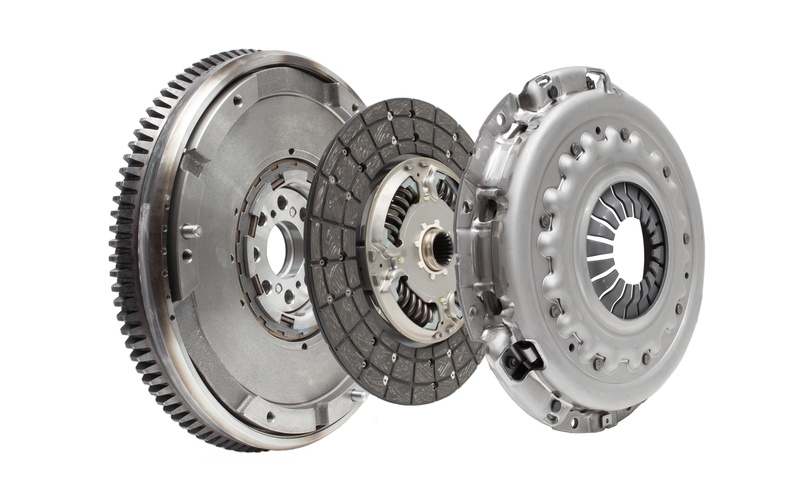
The clutch and flywheel work as a system, and changes in inertia and friction pairing can change engagement feel, even when torque capacity seems similar on paper. That’s why comparing options across brands using only “holding power” can be misleading.
Pay attention to the intention of the system, because that intent affects the engagement profile that ultimately determines load transfer. This is also where aftermarket flywheel manufacturers can vary in design choices that influence inertia and surface behavior, which can noticeably change how torque ramps in.
Get Help Dialing in Your Twin-Disc Setup
If you’re estimating load transfer when using twin discs because you’re trying to protect a transmission, improve launch consistency, or keep a high-power street car civil, it helps to talk through the full combination. Clutch Masters Industries can help you choose a twin-disc and matching components that fit your torque goals, traction level, and how you drive the car. Reach out to Clutch Masters to discuss your setup and get a recommendation that balances holding power with controllable engagement.