

Why It’s Important To Match Your Clutch and Flywheel
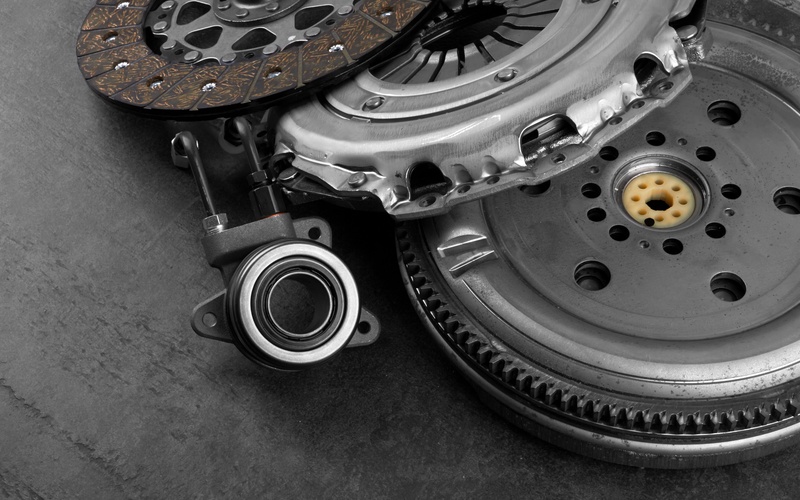
When you upgrade or replace a clutch, you are not swapping a single part. You are building a friction system that must clamp evenly, shed heat, and stay stable at RPM.
If one component is “close enough” instead of truly compatible, you can feel it immediately as chatter, noise, inconsistent engagement, or a pedal that never feels the same twice. Keep reading to understand why it’s important to match your clutch and flywheel.
The Flywheel Does More Than “Hold the Clutch”
The flywheel is the clutch’s foundation. It provides the friction surface the disc rides against, and it stabilizes the rotating assembly. It also manages heat and helps smooth engine pulses so the car does not feel jumpy at low speed.
When the flywheel and clutch do not match, the disc can contact unevenly or lose clamping consistency as temperatures climb. You can end up chasing problems that feel like “hydraulics,” “driver error,” or “bad parts,” when the real issue is a mismatched stack-up.
The Flywheel’s Big Jobs in a Clutch System
A flywheel must do several things at once, and each one affects how the clutch feels.
- Provide a flat, correct friction surface finish
- Maintain the correct height relationship between the friction face and pressure plate mounting surface
- Resist warping and hot spots under repeated heat cycles
- Stay balanced so as not to introduce vibration at RPM
- Support the starter ring gear and proper crank engagement
If any of those elements fall outside spec, your clutch may still “work,” but it usually will not work well for long.
Step Height and Geometry Control How the Clutch Clamps
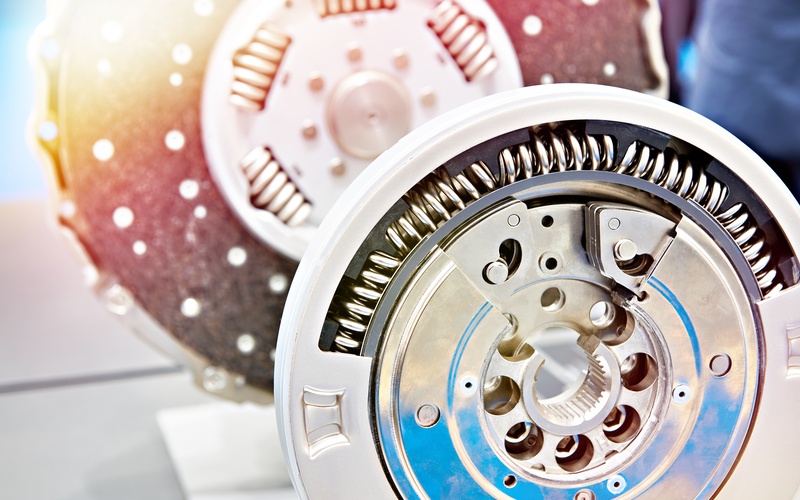
One of the most common sources of weird engagement is geometry. The pressure plate bolts to the flywheel, but it clamps the disc against the flywheel face. That means the relationship between the pressure plate mounting surface and the friction surface matters.
If the step height is wrong, the pressure plate can lose clamp load or clamp unevenly. Some combinations will slip under torque even though the clutch “should” hold. Others will grab too aggressively and feel like an on/off switch.
What Wrong Geometry Feels Like on the Road
A mismatch does not always announce itself as an immediate failure. It frequently appears as drivability issues that get worse as the parts break in.
You might notice engagement that moves higher or lower over time. You might also feel chatter when taking off, especially when the clutch warms up. In more severe cases, you will smell clutch or see glazing and hot spots far earlier than you expect.
Surface Material and Friction Type Need to Work Together
Not every disc material likes every flywheel surface. Organic discs typically behave differently than ceramic, Kevlar blends, or segmented puck-style options. The flywheel material and surface finish influence how quickly the disc beds in and how stable the friction remains under heat.
A flywheel that works fine with a mild organic disc can feel harsh with an aggressive puck disc. You can also see accelerated wear if the surface finish is not appropriate for the disc material you choose.
Heat Cycles Can Expose a Bad Pairing
A pairing can feel acceptable on the first drive and then degrade. Heat cycles change friction behavior, and they also reveal whether the system maintains flatness and clamp consistency.
If the flywheel develops hot spots or a warped face, the clutch can start grabbing inconsistently. The driver experiences this as shudder or a pulsing engagement, even though the pedal feel may remain normal.
Balance and Rotating Mass Affect Smoothness and Longevity
Balance matters more than people expect, especially when you change components. A balanced rotating assembly reduces vibration that can wear bearings, loosen hardware, and make the car feel rough at RPM.
Rotating mass also changes how the car drives. A lighter flywheel typically revs quicker and can make rev matching feel sharper. It can also make launches less forgiving and increase gear rattle on some drivetrains.
Why You Should Not Mix Random Lightweight Parts
Lightweight flywheels come in different designs, materials, and uses. Pairing a clutch that expects one friction surface style with a different flywheel design can create poor engagement characteristics.
You also want the inertia changes to match your goals. A road car that spends time in traffic may benefit from a setup that stays smooth and predictable, even if it gives up a little response compared to an ultra-light race-focused configuration.
Bolt Pattern, Diameter, and Starter Engagement are Hard “No” Items
Some mismatches are not subtle. If the pressure plate bolt pattern does not match the flywheel, you stop immediately. If the clutch disc diameter does not match the friction surface correctly, you can create edge wear and uneven contact.
Starter ring gear engagement and crank flange compatibility also matter. Fitment issues here can create grinding, intermittent starts, or damage you do not want to discover after you assemble everything.
Don’t Assume “Same Engine Family” Means Same Fit
Manufacturers change crank flanges, starter locations, and flywheel offsets across trims and years. Aftermarket parts can also target specific variants. Always confirm application-specific fitment rather than relying on a general engine code or platform assumption.
Clutch Release System Compatibility Still Depends on the Stack
Even though the flywheel and clutch are the stars of the show, release components must match the system geometry, too. The release bearing, fork travel, and pressure plate finger height all influence disengagement.
When the clutch stack height changes, you can end up with incomplete release. That causes hard shifting, gear clash, and a car that creeps with the pedal down. People frequently blame the master/slave components, but the real issue can be the mismatch between the flywheel and pressure plate geometry.
Twin Disc and Multi-Disc Setups Make Matching Even More Critical
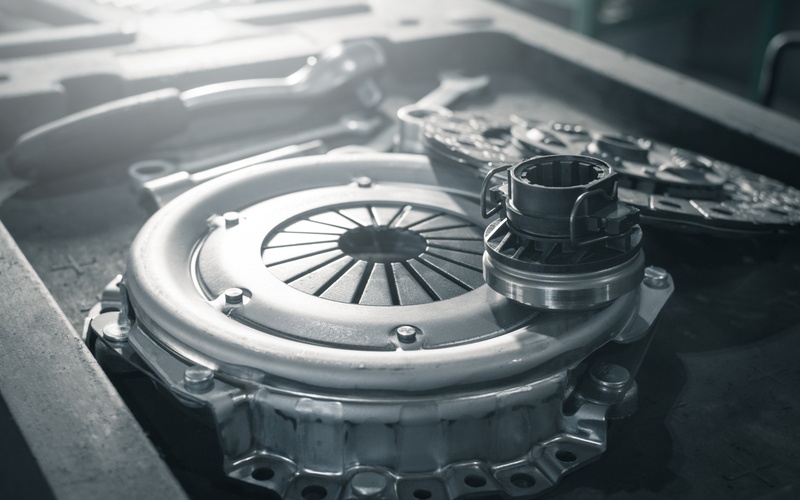
Multi-disc systems raise the stakes because you have more friction interfaces and more opportunities for tolerance stacking. They can hold impressive torque while keeping pedal effort manageable, but only if everything aligns and works together.
A mismatched flywheel surface or incorrect stack height can cause uneven wear across discs. You can also see increased noise or inconsistent engagement if the system does not maintain stable float and release behavior.
The Real Goal: Predictable Engagement and Long Service Life
It’s important to match your clutch and flywheel, not just because of holding power. The importance lies with consistent engagement, manageable heat, stable clamping, and a setup that stays pleasant to drive. A system that feels smooth and repeatable builds confidence, whether you are daily driving, towing, or making track passes.
If you treat the clutch and flywheel as a single system instead of separate parts, you avoid expensive do-overs. You also reduce the chance of chasing phantom issues that come from a mismatch, not a defective component.
Talk With Clutch Masters Before You Commit
If you want a setup that matches your power goals and driving style, Clutch Masters offers a wide selection of performance clutch and flywheel kits. Reach out with your vehicle details, intended use, and power level so you can get a clutch and flywheel combination that engages consistently and lasts.