

How To Adjust Twin Disc Clutch Stack Height
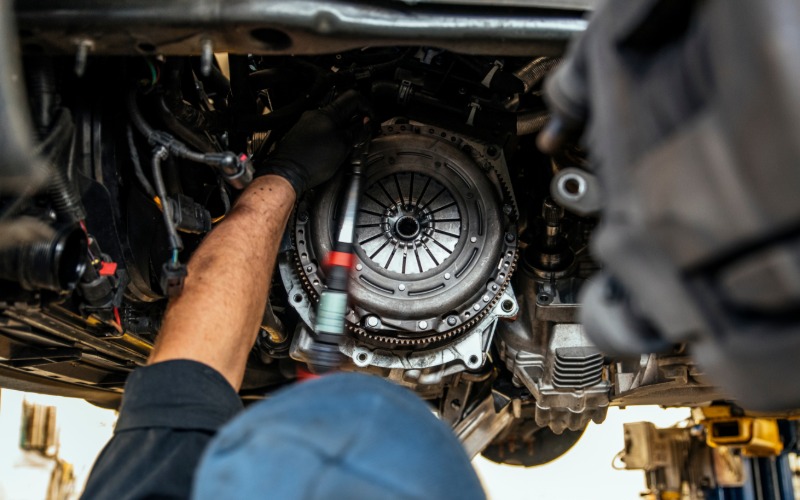
Twin disc clutches deliver torque capacity without turning your left leg into a gym membership. They accomplish this by using two friction discs, an intermediate floater, and a pressure plate system that clamps everything together. That extra hardware also means stack height becomes a make-or-break setup variable.
Stack height is the total assembled thickness of the clutch “sandwich” from the flywheel friction surface through the clutch pack to the pressure plate contact surface. Keep reading to understand what stack height controls, how to check it, what it means to adjust the twin disc clutch stack height, and why an out-of-spec stack height points to a worn clutch that needs a rebuild rather than any modification to new parts.
What Stack Height Controls in a Twin Disc Setup
A twin disc assembly relies on a specific relationship between the pressure plate, diaphragm spring (or lever system), release mechanism, and the clutch pack thickness. When you change the thickness, you change that relationship. If the stack height sits too tall, the pressure plate may start its life partially “pre-loaded” in a way that reduces usable release travel. You can see clutch drag, difficulty selecting gears, and heat buildup from discs that never fully separate.
If the stack height sits too short, you can reduce clamp load, shift the release point into a strange part of the pedal stroke, and create chatter or slip under load. You also risk creating a release geometry that feels fine in the garage but falls apart once heat and expansion show up.
Stack height also influences how the floater and discs separate during release. When the clutch cannot create consistent separation, it can drag at a stop and load the drivetrain during shifts, even when you press the pedal fully down.
Why Stack Height Can Change Over Time
Clutch Masters does not ship twin disc clutches that require modifications out of the box. If you install the correct components for the application and follow proper setup, the clutch should meet the specifications as delivered.
Stack height becomes a concern later in the clutch’s life cycle when wear changes the thickness of the friction material and mating surfaces. Hard use, repeated heat cycles, and track events can accelerate wear. When the friction surfaces thin enough, the stack height can drift far enough to create release or engagement issues. At that point, the correct fix is a rebuild to restore the clutch to specification.
Before You Touch Anything, Confirm the Symptom
Stack height adjustment solves specific problems. It does not fix every release issue, and it cannot overcome installation errors. Start by confirming what you feel and when you feel it.
If the car creeps forward with the pedal fully down, you likely deal with drag. If reverse grinds but forward gears feel acceptable, you still deal with drag. If engagement happens right off the floor or right at the top with no consistency, you may deal with geometry, air in the system, or pedal stop problems. If the pedal feels normal but the clutch slips in higher gears, the stack height may sit short, there may be contamination of the discs, or you may have bedded in the system incorrectly.
Use these symptoms as a starting point, then verify the release system and clutch condition before you assume stack height is the issue. A worn clutch pack can mimic hydraulic travel problems, and a travel problem can mimic a worn clutch pack.
Tools and Measurements You Need
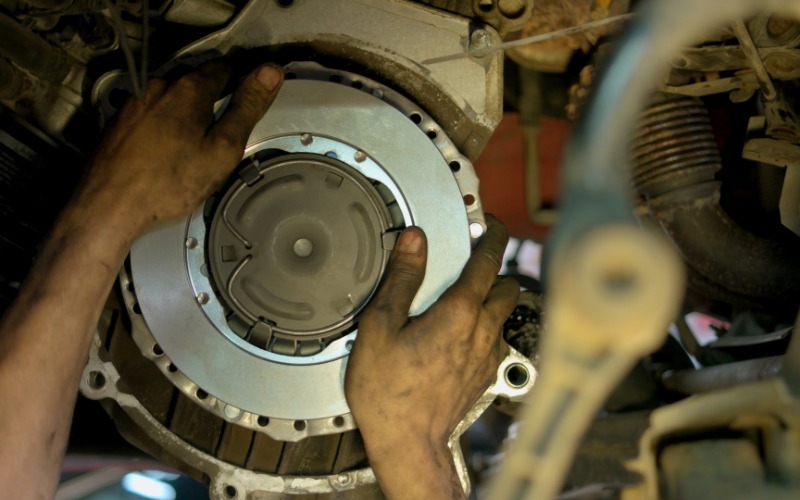
A quality caliper or micrometer helps you measure friction disc thickness and floater thickness. A straightedge and feeler gauges help you check gaps and flatness. A dial indicator can help you verify flywheel runout and surface condition, which influences release behavior. You also want a torque wrench and the correct alignment tool for your spline count.
If you plan to check stack height against the specification, you also need the correct spec for your exact clutch and flywheel combination. You can verify this spec with Clutch Masters support using your part number and application details.
Identify The Stack Height Target for Your Specific Kit
Different twin disc designs use different target stack heights. Strap-driven floaters, spring-driven floaters, and rigid floaters do not always share the same window. Steel flywheels and aluminum flywheels with replaceable friction inserts can also change how you measure.
Your goal is to work from the manufacturer’s stack height specification for the exact clutch and flywheel combination you installed. If you do not have that spec in front of you, treat any generic number you find online as unreliable.
Stack height specs also assume you use compatible components. If you mix parts across different kits or run an unknown flywheel step, you can create measurement confusion and drivability problems that have nothing to do with normal wear.
Measure The Components Before Assembly
Start by measuring the parts that define the clutch pack thickness. Measure each friction disc thickness at multiple points around the disc, and write those values down. Measure the floater thickness in multiple spots as well. If you see meaningful variation, inspect for warpage, burrs, or shipping damage.
Next, inspect the flywheel friction surface height relative to any mounting step. Some flywheels use a design where the pressure plate mounting surface sits at a different height than the friction surface. That step dimension can directly affect the effective stack height. Do not assume the step matches what your previous clutch used.
If you troubleshoot a clutch that previously ran well and now shows drag or inconsistent release, measure the worn discs and compare them to baseline values from the last rebuild. That comparison helps you confirm whether wear moved the stack height outside spec.
Assemble The Clutch Pack and Verify Height
With the flywheel installed and torqued, assemble the clutch pack in the correct order. Pay attention to disc orientation, since many twin disc friction plates have a flywheel side and a pressure plate side. If you flip one disc, you can change hub clearance and alter release behavior.
Now, verify the clutch pack thickness relative to the cover’s expected operating range. The exact method depends on the kit, but the principle stays consistent: you want the diaphragm or lever geometry to land in the window after fully torquing it. Some kits provide a measurement from the pressure plate mounting face to a reference point on the cover, and others reference finger height. Use the measurement method your design specifies.
When you verify height, focus on confirmation, not correction. If your measurements show the clutch sits out of specification and you know the components have significant time on them, treat that result as a wear indicator and plan a rebuild.
What To Do When Stack Height Is Out of Specification
If you confirm the clutch stack height falls outside the manufacturer’s spec, treat it like a clear signal that the clutch pack has worn beyond its service window. At that stage, rebuilding the clutch restores the correct relationships between the discs, floater, and pressure plate so the system can release and engage the way it was designed to.
Do not modify new components to “hit a number.” Clutch Masters designs and delivers twin disc clutch kits to meet specifications as shipped for the intended application. If someone tries to change the setup on fresh parts, they can introduce inconsistent clamp load, uneven release behavior, and avoidable drivability issues.
When a Rebuild Makes the Most Sense
Stack height problems typically show up after meaningful use, especially when the clutch sees repeated heat cycles from aggressive driving or track events. You may notice drag that gets worse as the clutch heats up, reverse engagement that turns harsh, or shifting that feels fine cold and degrades once everything reaches operating temperature.
At that point, a rebuild addresses the real cause, which is wear, surface condition, and lost thickness across the friction system.
What a Rebuild Restores
A proper rebuild brings the clutch back to specification by replacing worn friction components and addressing any heat-affected or damaged mating surfaces. That restoration returns stack height to the correct range and puts the pressure plate and release system back into their intended operating geometry. It also helps prevent secondary damage, like overheated discs, distressed floaters, or accelerated wear on the release system.
Check Release Bearing Clearance and Travel
Stack height adjustment must work with your release system. After you set the clutch pack geometry, verify the release bearing clearance at rest. You want the bearing close enough to respond quickly, but not riding the diaphragm spring continuously.
Then verify that the system provides enough travel to fully release the clutch. Hydraulic setups can fail here due to air in the line, incorrect master or slave sizing, or pedal geometry that limits stroke. Cable setups can fail due to stretch, heat, or routing that increases friction.
If you diagnose drag, confirm full travel before you condemn the clutch pack. Limited travel can produce the same “won’t go into gear” symptom you see with a worn stack height, so you want to rule out the simple causes first.
Confirm Floater Movement and Disc Separation
A twin disc clutch needs the floater to move freely within its design limits. After assembly, verify that the floater does not hang up on straps, stands, or hardware. Verify that the floater can lift and return without binding.
If your kit uses straps, inspect strap alignment and hardware torque. A strap that sits twisted can change how the floater lifts. If your kit uses drive pins, confirm that the pins seat correctly and that there is no interference.
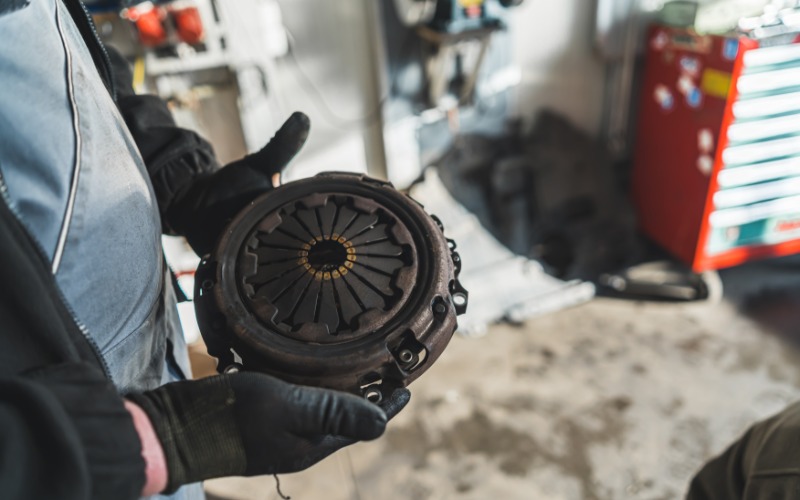
If you inspect a used clutch, also look for evidence of heat spots, warped components, or uneven wear patterns. Those clues can support what your stack height measurements already suggest and reinforce the rebuild decision.
Re-Test the Car and Validate the Fix
After you finish the adjustment, bleed the hydraulic system if applicable, then test release in a controlled way. With the engine running, depress the clutch and select reverse. Reverse acts like a truth serum for drag. If it still protests, you still have an incomplete release.
Next, check engagement behavior under light throttle. You want a predictable take-up without shudder. Then, verify shifting at higher RPM once the clutch reaches operating temperature. A setup that feels correct cold can reveal drag or chatter once heat builds.
If you confirm the clutch sits out of specification due to wear and you rebuild it, repeat these tests after reinstall. Clean release into reverse and consistent high-RPM shifts give you quick confirmation that the clutch returned to its intended operating window.
How To Reduce Stack Height-Related Issues Over the Life of the Clutch
You can extend clutch life by controlling heat and maintaining a clean, consistent release system. You should break in the clutch per the kit guidance, then avoid unnecessary slipping that spikes temperatures during low-speed driving. You should also keep the hydraulic system healthy, so you do not compensate for limited travel with bad habits that accelerate wear.
If you track the car, treat periodic inspection as a normal part of ownership. Measuring disc thickness during service intervals can help you plan a rebuild before drivability issues show up at the worst time.
Ready To Dial in Your Twin Disc?
You now understand what adjusting a twin disc clutch stack height means and why a worn, out-of-spec stack points to rebuild time rather than part modification. If you want a second set of eyes on your measurements or need the correct stack height specification for your specific twin disc clutch, contact Clutch Masters Industries. Share your part number, flywheel type, and the symptoms you feel, and the team can help you confirm the right setup path before you burn time and parts.