

Dry vs. Wet Clutches: Pros, Cons & Use Cases
When drivers start comparing clutch designs, they usually want one clear answer: which setup makes the most sense for the way they drive? That question matters whether you are replacing a worn factory unit or looking for more holding power, better heat control, or a different feel behind the wheel.
That is where the dry versus wet clutch discussion becomes useful. Each design has strengths, limitations, and real-world applications that make it a better fit for certain vehicles and driving conditions. Keep reading to understand the pros, cons, and use cases of dry and wet clutches.
What Is the Difference Between a Dry and Wet Clutch?
A dry clutch operates without immersing in fluid. The friction surfaces engage in open air inside the clutch assembly, which creates direct contact between the disc and mating surfaces. Most traditional manual transmission passenger vehicles use a dry clutch design because it delivers a direct feel and a simple mechanical layout.
A wet clutch, which many people also call a wet clutch, bathes its friction surfaces in oil or transmission fluid. That fluid helps cool and lubricate the clutch pack while the clutch engages and disengages. Wet clutch systems appear in many automatic transmissions, dual-clutch systems, motorcycles, powersports applications, and some specialty performance or industrial setups.
How Dry Clutches Work
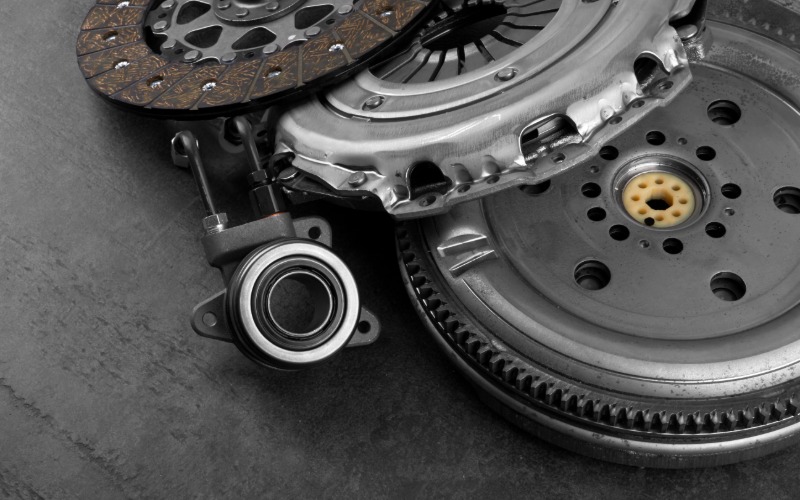
A dry clutch uses a pressure plate to clamp the clutch disc against the flywheel. When the driver releases the clutch pedal, the disc locks against the flywheel and transfers engine torque into the transmission. When the driver presses the pedal, the pressure plate releases clamping force so the disc can separate and let the driver shift gears.
This design feels direct because there is no fluid dampening the engagement. The connection between engine and drivetrain feels more immediate, which many drivers appreciate in performance vehicles. It also keeps the assembly relatively straightforward, which helps with serviceability and part selection.
How Wet Clutches Work
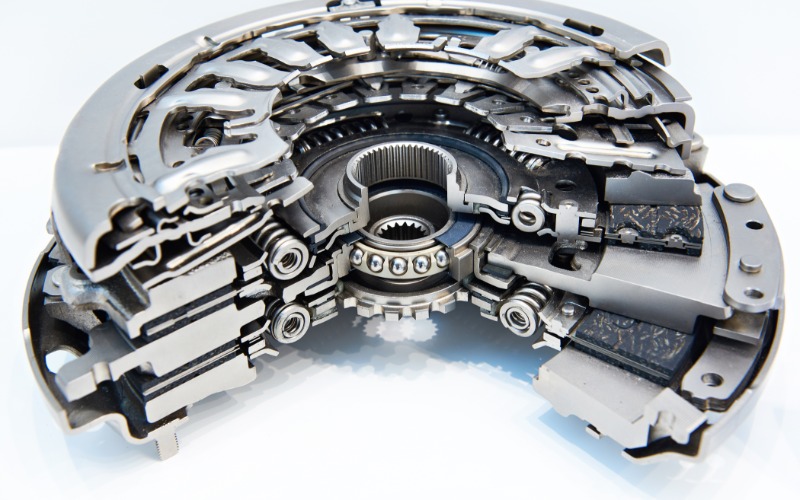
A wet clutch uses multiple friction plates and steel plates together inside a housing filled with fluid. Hydraulic pressure or mechanical actuation compresses those plates to transfer torque. The fluid helps carry away heat and reduces harsh engagement, which makes the clutch easier to manage in systems that cycle frequently.
This design works well in applications where the clutch engages repeatedly or where packaging and torque capacity matter. Multi-plate wet systems can hold substantial torque in a compact space. That is one reason they appear in many modern transmission systems, where engineers want strong holding power without making the assembly excessively large.
Pros of a Dry Clutch
Dry clutches appeal to drivers who want a more mechanical connection to the vehicle. Engagement tends to feel crisp and immediate, which can improve driver feedback in a manual transmission car. That direct feel is a major reason dry clutches remain popular in performance street cars and many racing applications.
They also avoid fluid-related drag losses inside the clutch pack. Because the system does not submerge the friction surfaces in fluid, there are no barriers during engagement. That can help efficiency and sharpen response.
Service and replacement can also be more straightforward in many vehicles with a dry clutch setup. The design is familiar and easier for enthusiasts to understand when choosing an upgrade path.
Cons of a Dry Clutch
The same direct engagement that makes a dry clutch attractive can also make it less forgiving. Some setups engage more abruptly, especially with aggressive friction materials or higher clamp loads. That can affect street comfort and make the vehicle less pleasant in traffic.
Heat management is another limitation. A dry clutch can struggle under frequent slipping, towing abuse, or constant launch conditions if owners do not match the setup correctly to the vehicle’s power and use. Excessive heat can lead to glazing, chatter, fading, or premature wear.
Noise and vibration can also be more noticeable in some high-performance dry clutch assemblies. Drivers may hear more rattling or feel more drivetrain harshness than in fluid-damped clutch systems.
Pros of a Wet Clutch
A wet clutch handles heat very well because fluid continually helps cool the friction surfaces. That makes it a strong choice for applications with frequent engagement cycles, high thermal loads, or automated shifting strategies. In environments where heat control drives clutch life, this is a meaningful advantage.
Wet clutches also deliver smoother engagement. The fluid cushions the contact between friction surfaces, which helps reduce shock and makes the operation feel more in control. That characteristic suits systems where comfort, consistency, and refined shift quality matter.
Torque capacity can be another major benefit. Many wet clutch systems use a multi-plate design, which increases total friction area without requiring a large diameter assembly. Engineers can package more holding ability into a relatively compact unit.
Cons of a Wet Clutch
Wet clutches give up some of the direct mechanical feel that drivers associate with a traditional manual setup. The presence of fluid changes engagement characteristics, so the connection can feel smoother but less raw. For some drivers, that is a benefit. For others, it reduces the sense of involvement.
The system also depends heavily on the correct fluid and maintenance conditions. Contaminated or degraded fluid can affect engagement quality, heat control, and wear. That creates another service variable that owners and technicians must monitor.
Complexity is another drawback. Wet clutch systems usually involve tighter integration with hydraulic controls, transmission design, and fluid management. That can increase repair costs and reduce the simplicity that many manual transmission enthusiasts prefer.
Best Use Cases for Dry Clutches
We’ve covered the pros and cons of dry and wet clutches, but what about their use cases? Dry clutches fit best in traditional manual transmission vehicles where the driver’s feel matters. They make sense for street performance cars, many dedicated race cars, and enthusiast builds that prioritize direct engagement and simple mechanical operation.
They also suit drivers who want a clear connection between pedal input and drivetrain response. In a properly matched setup, a dry clutch can provide strong holding power, quick response, and a driving feel that remains familiar to manual transmission enthusiasts.
Best Use Cases for Wet Clutches
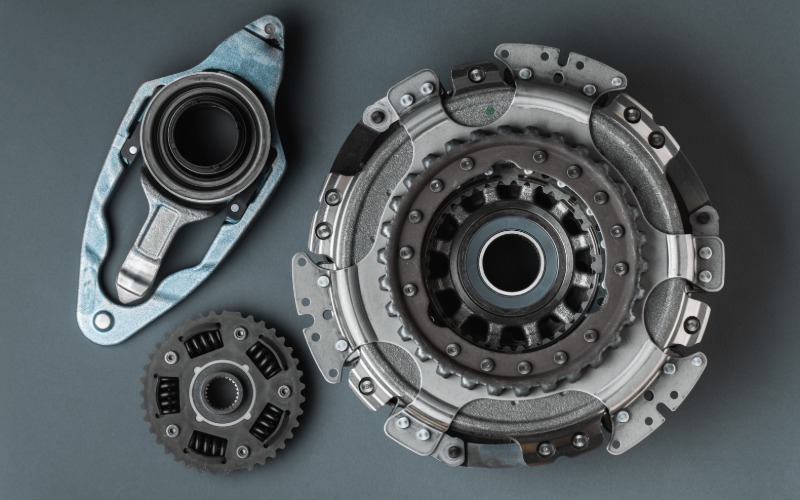
Wet clutches work best where heat, repeated cycling, and packaging demands play a larger role than raw pedal feel. That includes many automatic and dual-clutch transmission systems, powersports vehicles, motorcycles, and specialized driveline applications.
They also make sense where smooth engagement matters. If the system must engage and disengage constantly without harshness, a wet clutch design brings clear advantages. The same is true when engineers need high torque capacity in a smaller package.
Final Thoughts
Dry and wet clutches solve the same basic problem in different ways. One emphasizes direct friction and driver feel. The other emphasizes cooling, smoothness, and repeatable control. Both can perform very well when matched to the right platform.
If you are evaluating aftermarket clutch kits for a replacement or upgrade, Clutch Masters Industries is here to help! Whether you drive a dry or wet clutch, browse our inventory, or contact our staff to speak with a clutch expert today.