

Diagnosing and Preventing Chatter in Twin Disc Clutches
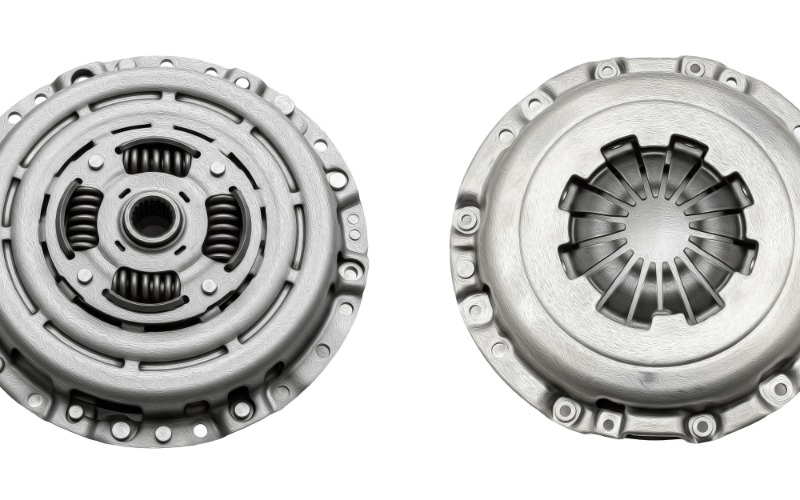
Twin disc clutches give high-output cars the holding power they need without relying on an extreme pedal feel. By using two friction discs instead of one, the clutch increases surface area, spreads load across more material, and helps the drivetrain manage greater torque. That design makes a major difference in performance applications, but it also changes how the clutch behaves during engagement.
Chatter sits near the top of the list of concerns drivers notice after installing or servicing a twin disc clutch. It can feel like a shudder, vibration, or uneven grab as the car starts from a stop. In our guide, we’ll outline what to know about diagnosing and preventing clutch chatter in twin disc systems.
What Clutch Chatter Feels Like
Clutch chatter happens when the clutch does not engage smoothly between the engine and transmission. Instead of transferring power in a clean, controlled motion, the clutch grabs, releases, and grabs again in quick succession. The driver may feel the car shake through the pedal, seat, shifter, or chassis.
This condition usually appears during low-speed engagement, such as pulling away from a stop, backing out of a driveway, or easing through traffic. Once the clutch fully engages, the vibration may disappear. That pattern makes chatter easy to confuse with normal driveline noise, so the first step in diagnosis involves paying close attention to when, where, and how the symptom appears.
Why Twin Disc Clutches Can Make Chatter More Noticeable
A twin disc clutch has more moving interfaces than a single disc clutch. The assembly includes two friction discs, a floater or mid plate, a pressure plate, and a flywheel surface. Each contact point must stay clean, flat, aligned, and properly loaded for the clutch to engage smoothly.
Because the system uses more friction surface area, it can hold more power with a reasonable pedal feel. The tradeoff is that the driver may feel more feedback if something in the clutch assembly, driveline, or installation process falls out of range.
Common Causes of Twin Disc Clutch Chatter
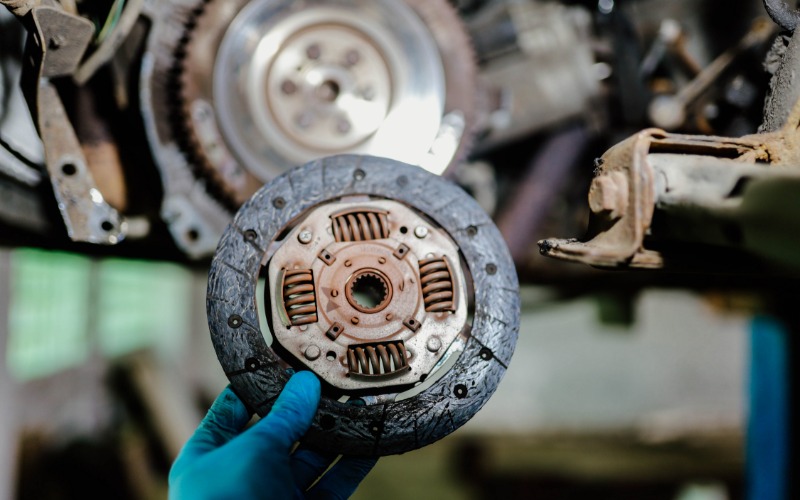
To diagnose and prevent chatter in twin disc clutches, it helps to understand what typically causes the problem. Surface condition plays a major role in clutch engagement. If the flywheel, floater plate, or pressure plate surface has hot spots, glazing, uneven wear, or contamination, the friction discs cannot bite evenly. Oil, grease, brake cleaner residue, and fingerprints can also create inconsistent friction across the contact surface.
Improper break-in can create similar problems. A new clutch needs stable heat cycles and moderate engagement so the friction surfaces can mate correctly. Hard launches, high-RPM slipping, or aggressive driving before the clutch seats can create uneven material transfer, which can cause chatter.
Installation Issues That Can Create Chatter
Installation accuracy matters in every clutch job, but twin disc assemblies leave less room for shortcuts. The installer must use the correct alignment tool, torque hardware in the proper sequence, and make sure the discs face the right direction. Even a small alignment problem can make the clutch release or engage unevenly.
Hardware and mounting surfaces also need attention. Dirt between the flywheel and crankshaft, an unevenly seated pressure plate, incorrect fasteners, or improper torque can distort the assembly. When the clutch does not clamp evenly, the driver may feel it through chatter during takeoff.
Driveline Problems that Can Mimic Chatter
Not every shudder starts inside the clutch. Worn engine mounts, transmission mounts, differential bushings, axles, or driveshaft components can amplify vibration during clutch engagement. When the clutch begins to load the drivetrain, weak mounts can let the engine and transmission move too much.
This movement can make a good clutch feel like it has an engagement problem. A proper diagnosis should include the surrounding drivetrain, not just the clutch assembly. If the clutch looks clean, the next step should include a careful inspection of mounts, bushings, and related hardware.
How To Diagnose Chatter Without Guessing
Start by identifying the conditions that create the symptom. Note whether the chatter happens cold, hot, during forward starts, in reverse, after repeated launches, or only on hills. A pattern can help separate driver technique, heat-related issues, surface contamination, and mechanical problems.
Next, evaluate clutch operation as a full system. Check pedal feel, hydraulic travel, release point, fluid condition, and any signs of incomplete disengagement. A dragging clutch can make the car difficult to shift, while an uneven engagement issue may show up mainly during takeoff.
Check for Heat, Contamination, and Wear
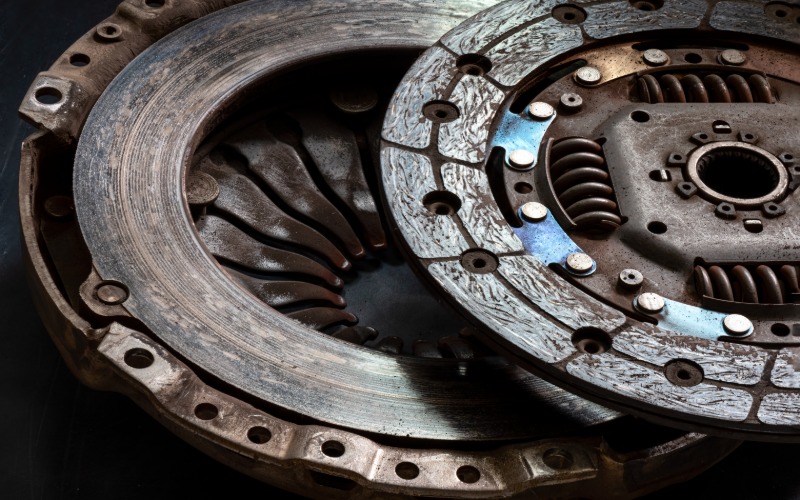
When the transmission comes out for inspection, the contact surfaces can tell the story. Blueing, scoring, cracks, uneven color, or patchy material transfer can point to excessive heat or uneven engagement. A clean, even wear pattern suggests the clutch has been making consistent contact.
If the clutch has seen track use, repeated launches, or heavy street abuse, measure components against the manufacturer’s specifications. Do not assume the assembly needs shims or field modification.
Confirm The Release System Works Correctly
The release system must move the clutch through its range. Hydraulic issues, incorrect bearing spacing, air in the system, or a worn master or slave cylinder can cause incomplete release. When the clutch drags, the discs may not separate cleanly, and the driver may feel noise, vibration, or harsh engagement.
Release bearing position also matters. Too much or too little clearance can change how the clutch behaves at the pedal.
Preventing Chatter Before It Starts
Prevention starts before installation. Use the right clutch for the vehicle, power level, and driving environment. A clutch built for aggressive race use may not feel ideal in daily traffic, while a street-oriented twin disc may offer a better balance for cars that see road miles and occasional track use.
Clean installation practices also prevent problems. The installer should inspect every mating surface, keep friction surfaces free of oil and grease, verify disc orientation, torque hardware correctly, and follow the recommended setup procedure. Taking time during installation protects the clutch from problems that can appear within the first few miles.
Keep The Whole Drivetrain Healthy
A clutch can only perform as well as the system around it. Worn mounts, loose hardware, damaged axles, and tired bushings can all create vibration during engagement. Keeping those parts in good condition helps the clutch engage more consistently and makes diagnosis easier if chatter appears later.
Service habits matter after installation, too. Drivers who track their cars or launch them hard should inspect clutch behavior, pedal feel, and driveline movement at regular intervals.
Choose The Right Twin Disc Setup With Clutch Masters
Twin disc clutch chatter can come from surface condition, installation accuracy, release system setup, driveline movement, break-in habits, or worn components. A careful diagnosis looks at the full system instead of blaming one part right away. When drivers choose the correct clutch, install it properly, break it in correctly, and service it when wear moves it out of specification, they can reduce chatter and get more consistent engagement.
Clutch Masters Industries builds high-performance twin disc clutch parts for drivers who need serious holding power without unnecessary pedal effort. Explore Clutch Masters twin disc clutch parts to find a setup built for your vehicle, power goals, and driving style.