

How Flywheels Store Energy (And Why It Matters in Cars)
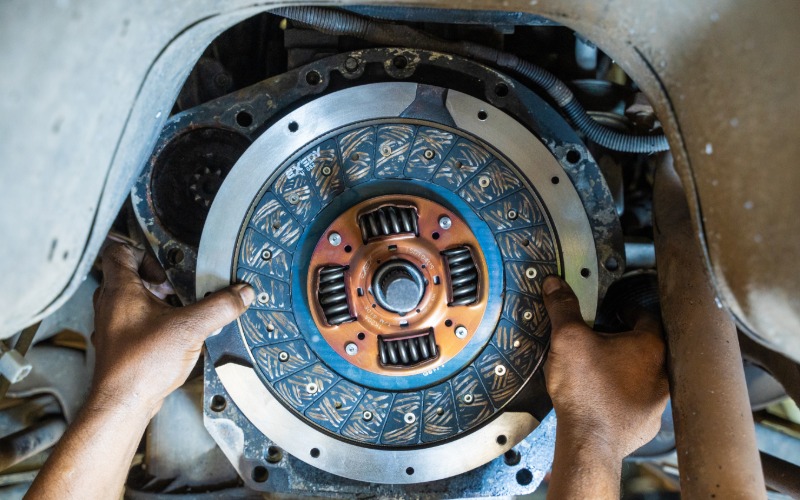
A flywheel does more than sit between the engine and clutch. It plays a direct role in how smoothly the engine runs, how the car leaves from a stop, and how the drivetrain responds when the driver gets on or off the throttle. In performance applications, those details matter because the flywheel affects both feel and function.
At its core, a flywheel stores rotational energy. Below, we’ll explain how flywheels store energy, and why it matters in cars.
What a Flywheel Does in the Drivetrain
The flywheel bolts to the rear of the crankshaft and rotates with the engine. In a manual transmission vehicle, it gives the clutch disc a surface to engage against so the engine can transfer torque into the transmission. That makes the flywheel part of both the engine’s rotating assembly and the clutch system.
Because the flywheel carries mass, it resists sudden changes in speed. When the engine fires, the flywheel absorbs part of that energy. Between firing events, it releases stored energy back into the rotating assembly. This exchange helps smooth the pulses that combustion creates.
Why Stored Energy Matters
An engine does not produce torque in one perfectly steady stream. Each cylinder fires in sequence, and each combustion event adds a pulse of power to the crankshaft. Without enough rotating mass, the engine would feel rougher, especially at low rpm.
The flywheel helps bridge the gaps between those pulses. It keeps the crankshaft moving through compression strokes, idle transitions, and low-speed operation. That stored energy can make the car easier to drive from a stop and more forgiving during clutch engagement.
How a Flywheel Stores Rotational Energy
A flywheel stores energy through rotation. The more mass it has, and the farther that mass sits from the center, the more rotational inertia it carries. That inertia resists changes in speed, which means the flywheel helps keep the engine spinning once it gets moving.
This is where a performance flywheel can change how a car feels. A lighter design can reduce rotational inertia, which lets the engine rev quicker and return to idle faster. A heavier flywheel stores more energy, which can help smooth engagement and support easier low-speed driving.
Mass, Diameter, and Inertia
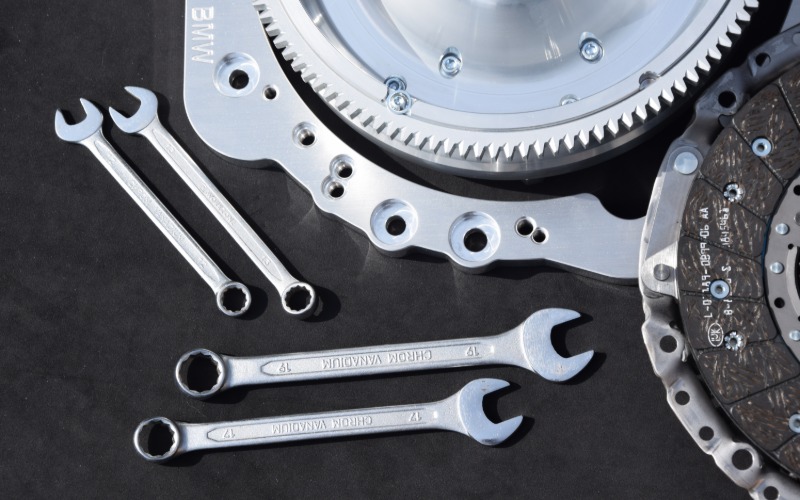
Flywheel weight matters, but weight alone does not tell the full story. Where the material sits matters just as much. Mass near the outer edge has a larger effect on inertia than mass near the center because it travels in a larger circle as the flywheel spins.
That design principle explains why two flywheels with similar weights can feel different in the car. Shape, material, and mass distribution all affect how much energy the flywheel stores.
Why Flywheel Weight Changes Engine Response
A heavier flywheel takes more energy to speed up. That can make the engine feel smoother, but it can also make throttle response feel slower. The engine must move more rotating mass each time the driver accelerates, shifts, or blips the throttle.
A lighter flywheel takes less energy to accelerate. The engine can climb through the rpm range quicker because it does not have to overcome as much inertia. Drivers may notice sharper throttle response, quicker rev matching, and a more connected feel during spirited driving.
The Tradeoff Between Smoothness and Response
Reducing flywheel mass can improve response, but it can also make the car less forgiving at low rpm. With less stored energy, the engine may drop revs faster when the clutch engages. That can make starts from a stop feel more sensitive, especially in traffic.
How Flywheel Energy Affects Clutch Engagement
When the driver releases the clutch pedal, the clutch disc starts to connect the spinning flywheel to the transmission input shaft. During this moment, the flywheel’s stored energy helps move the vehicle from a stop. The clutch disc slips briefly as engine speed and drivetrain speed begin to match.
That slip creates heat. The flywheel absorbs and dissipates part of that heat because it acts as one of the friction surfaces in the clutch system. A stable flywheel surface supports clean engagement, while excessive heat, scoring, or warping can cause chatter, vibration, or slip.
Why Heat Control Matters
The flywheel does not just store motion. It also handles thermal load. During hard launches, aggressive shifts, and clutch engagement, heat builds at the contact surfaces. The flywheel must manage that heat without distorting or damaging the friction surface.
When heat overwhelms the clutch system, the disc can glaze, the pressure plate can lose clamping consistency, and the flywheel surface can suffer. That is why performance clutch systems need parts that work together.
Flywheel Behavior in Street and Track Driving
Street driving places a high value on smooth engagement, predictable low-speed control, and easy drivability. A flywheel with more stored energy can support those traits. It can help the engine maintain rpm during stop-and-go driving and reduce the sensitivity of clutch engagement.
Track driving places more value on response, shift speed, and engine control. A lighter flywheel can help the engine respond faster when the driver transitions between throttle, braking, and shifting.
Matching the Flywheel to the Build
The best flywheel choice depends on the total combination. A high-torque engine may tolerate a lighter flywheel better than a low-torque engine because it has more torque available at low rpm. A lightweight car may also respond differently than a heavier vehicle with the same clutch setup. Transmission gearing, tire size, clutch material, and driving style all influence the result.
Why Flywheel Condition Matters
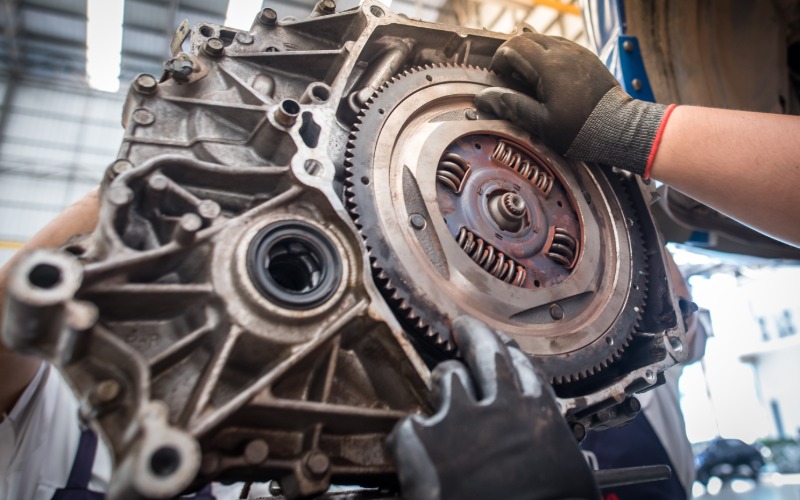
Even the right flywheel design can cause problems if the surface no longer sits within proper condition. Heat spots, cracks, grooves, and uneven wear can change how the clutch disc engages. These issues can create chatter, slipping, pedal vibration, or inconsistent bite.
A clutch replacement should include a careful flywheel inspection. Depending on the flywheel type, condition, and manufacturer guidance, the flywheel may need resurfacing or replacement. Installing a new clutch against a damaged flywheel surface can shorten clutch life and create drivability issues right away.
Surface Quality and Clutch Life
The clutch disc needs a consistent surface to engage correctly. If the flywheel surface has hard spots or uneven wear, the disc may not seat evenly. That can reduce holding power and make the clutch feel unpredictable.
Surface quality also affects break-in. A fresh clutch needs proper contact between the disc, flywheel, and pressure plate. When the flywheel surface starts in good condition, the clutch has a better chance to bed in correctly and deliver consistent performance.
Flywheel Energy Shapes How a Car Feels
Now, you should understand how flywheels store energy and why it matters in cars. More flywheel inertia can make a car smoother and easier to drive at low speeds, while less inertia can sharpen response and improve the connected feel of a performance build. Neither approach fits every vehicle, which makes proper matching important.
For drivers upgrading a clutch system, the flywheel deserves the same attention as the clutch disc and pressure plate. The right combination can improve drivability, heat control, and performance under load. To find a setup that fits your vehicle and driving style, explore Clutch Masters Industries flywheel and clutch options built for serious street and track use.