

What Cools the Clutch Disc During Operation
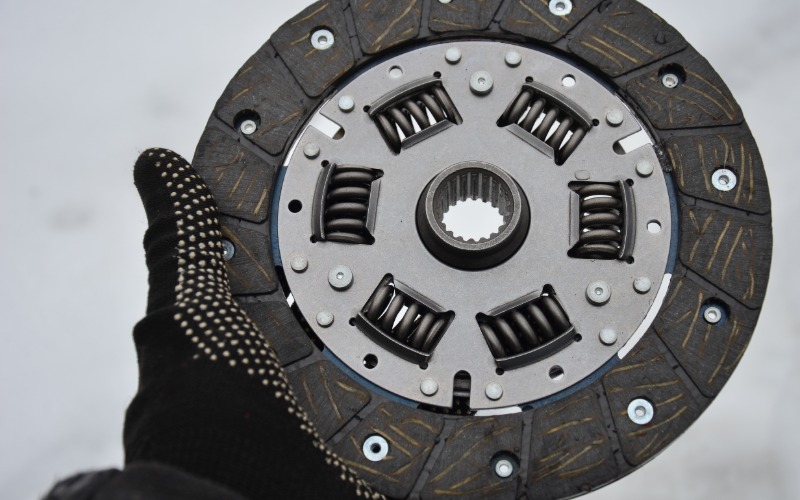
Every clutch creates heat. The moment the clutch disc slips against the flywheel and pressure plate, friction turns movement into temperature. In a high-horsepower build, track car, or hard-launched street setup, clutch heat can climb fast enough to change how the entire system performs.
Cooling a clutch disc does not work like cooling engine oil, coolant, or intake air. There is no radiator specifically for the friction surface. Instead, the clutch depends on controlled friction, airflow inside the bell housing, and heat transfer through the flywheel, pressure plate, and related components. Keep reading to understand what cools the clutch disc during operation and more.
Friction Creates Heat Every Time the Clutch Engages
A clutch works by using friction to connect engine output to the transmission. During engagement, the disc contacts the flywheel and pressure plate while the engine and transmission sides may still rotate at different speeds. That speed difference creates slip, and slip creates heat. The harder the clutch must work to match those speeds, the more heat it produces.
This heat is not a side effect that only matters in extreme racing conditions. It is part of every shift, every launch, and every low-speed maneuver. Performance driving increases the load because the clutch must control more torque, absorb more energy, and recover more quickly between engagements.
Launches and Aggressive Shifts Build Heat Fast
Hard launches create some of the most intense clutch heat because the disc must manage a large speed difference while the vehicle starts moving. The engine wants to stay in its powerband, the driveline starts from a lower speed, and the clutch becomes the part that absorbs the difference. That energy must go somewhere, and much of it becomes heat at the friction surfaces.
Aggressive shifts can also spike temperature. If the clutch does not fully release, if the driver rides the pedal, or if the disc slips during re-engagement, the system adds heat instead of transferring power cleanly. In frequent pulls, drag passes, autocross runs, or road course sessions, that heat may not have enough time to dissipate before the next load cycle.
Airflow Inside the Bell Housing Helps Control Temperature
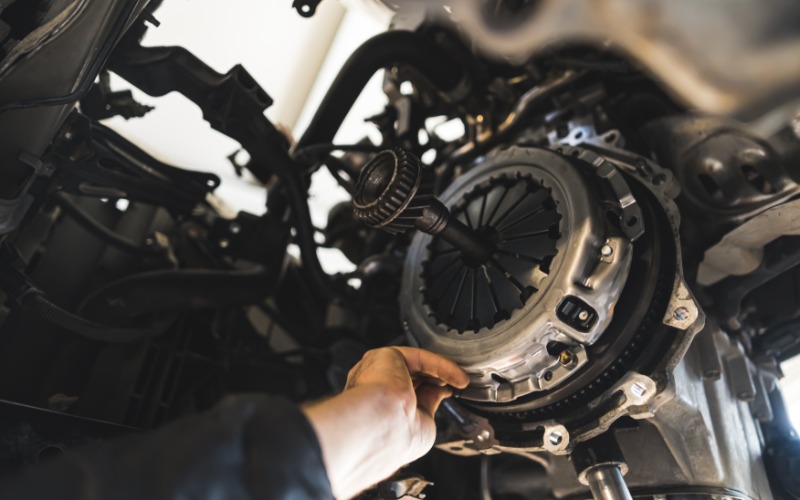
Airflow in the bell housing is critical to cooling the clutch disc during operation. While the bell housing limits direct exposure to outside air, as the clutch assembly rotates, it moves air around the flywheel, pressure plate, disc, and cover. That movement helps carry heat away from the hottest surfaces.
The bell housing does not act like a wind tunnel, but internal airflow still matters. Heat radiates from the clutch components into the surrounding air, and moving air helps prevent that heat from concentrating in one area. The faster the assembly spins, the more air movement occurs inside the housing.
Why Bell Housing Heat Can Build Up
The bell housing traps heat during hard use. If a clutch sees repeated launches or long sessions with heavy load, the air inside the housing can become hotter and less effective at pulling heat away. Once the air around the clutch stays hot, the pressure plate, flywheel, and disc have a harder time shedding temperature.
Why Venting and Design Matter in Performance Applications
Some performance applications use bell housing design, inspection openings, or venting strategies to help manage heat. The exact setup depends on the vehicle, use case, and safety requirements, but the principle stays the same. The clutch needs a path for heat to move away from the friction area.
Good clutch performance does not come from cooling alone. It comes from matching the clutch design to the amount of heat the car will create. A double disc clutch can spread load across more friction area, which helps the system manage higher torque demands while keeping engagement more controlled under performance use.
The Flywheel and Pressure Plate Act Like Heat Sinks
The clutch disc does not carry heat by itself. The flywheel and pressure plate absorb a major portion of the heat that clutch engagement creates. These components have mass, contact area, and material properties that allow them to pull heat away from the disc and distribute it across a larger surface.
This heat-sink effect helps protect the friction material during normal use. When the disc contacts the flywheel and pressure plate, those metal surfaces absorb heat from the friction interface. The assembly then releases that heat through airflow, radiation, and conduction into nearby components.
Why Material Choice Changes Heat Behavior
Different flywheel and pressure plate materials handle heat differently. Steel can absorb and retain heat in a different way than aluminum, while aluminum flywheels typically use replaceable friction inserts or heat shields to create the proper contact surface. The right choice depends on vehicle power, driving style, and intended use.
In performance applications, heat capacity and recovery matter as much as weight. A lighter assembly may rev quickly, but it still needs the right friction surface and pressure plate design to manage heat under load. A clutch that saves weight without enough thermal control can lose consistency when the car gets hot.
Why Surface Condition Matters
The flywheel and pressure plate must maintain clean, even contact surfaces. Hot spots, glazing, warping, or uneven wear can reduce friction consistency and create more heat during engagement. Once the surface compromises, the disc may not grip evenly, even if the clutch still looks usable at a glance.
A smooth, prepared contact surface helps the clutch engage predictably. In a performance build, this matters because small changes in surface condition can show up as chatter, slip, inconsistent pedal feel, or reduced holding power.
Overheating Causes Slip, Fade, and Failure
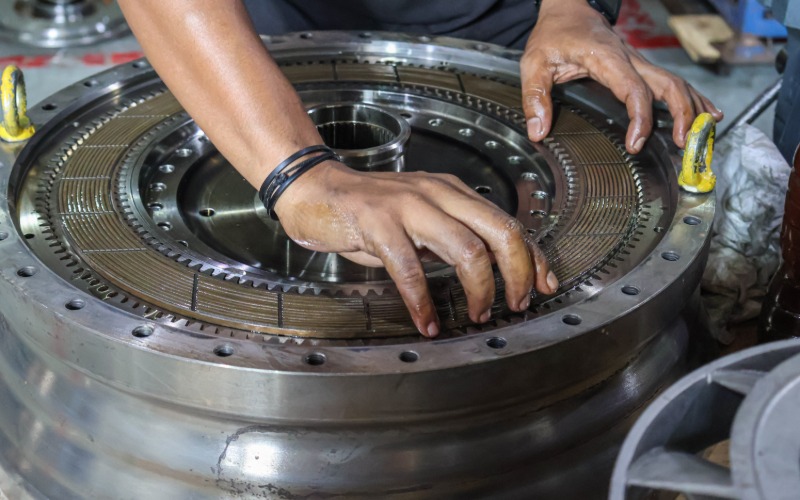
A clutch can only absorb so much heat before performance changes. When temperatures climb past the friction material’s working range, the disc can lose its ability to hold torque. The driver may apply throttle, the engine may rev, and the vehicle may not accelerate with the same force. That is clutch slip.
Slip creates more heat, so overheating can become self-feeding. The clutch starts to lose grip, the loss of grip creates more slip, and the slip makes the system hotter. If the driver keeps loading the clutch in that condition, the damage can move from temporary fade to permanent failure.
Performance Clutch Kits Manage Heat Through Design
Performance clutch kits do more than increase holding power. They manage the relationship between friction material, clamp load, surface area, rotating mass, and heat capacity. The right kit gives the clutch enough grip to transfer torque without relying on excessive slip.
A performance clutch should match the build and the operation of the car. A street car with occasional spirited driving needs different behavior than a drag car, drift car, or track-focused setup. The clutch must hold power, release cleanly, and survive the heat the driver will create.
Heat Control Keeps Clutch Performance Consistent
The clutch disc cools through a combination of airflow, heat transfer, and proper component design. Friction creates heat every time the clutch engages, while the bell housing environment, flywheel, pressure plate, and clutch layout determine how well the system controls that heat.
A well-matched performance clutch kit helps manage heat by giving the system the friction area, clamp load, material strength, and thermal capacity it needs for the build. Explore Clutch Masters Industries clutch kits to find a setup built for your power level, driving style, and performance needs.