

Common Misconceptions About Dual Disc Clutches
Upgrading a clutch involves more than choosing the component with the highest torque rating. Drivers should understand how a clutch engages, responds to heat, and behaves in everyday traffic. Dual disc clutches can support demanding engine builds, but myths about their performance sometimes discourage drivers from considering them.
Others expect stiff pedals, abrupt engagement, or unusually short service life. The reality depends on the design and how closely it matches the vehicle. Clearing up these common misconceptions about dual disc clutches makes it easier to choose an appropriate upgrade.
How Dual Disc Clutches Actually Work
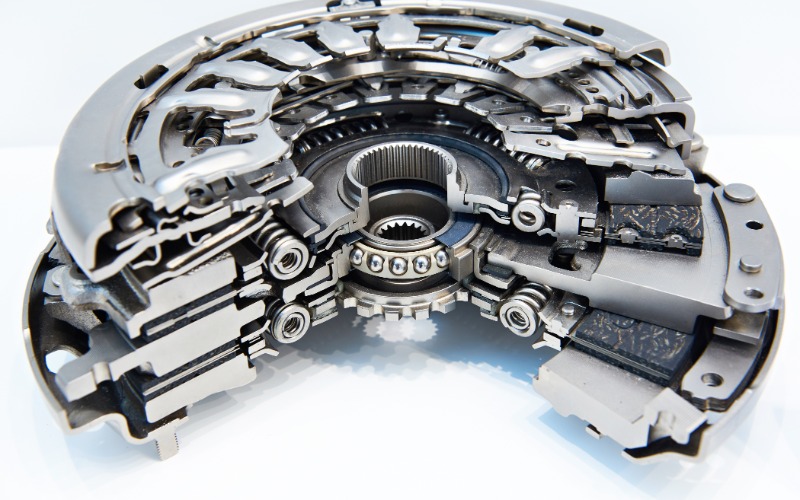
A traditional single disc clutch uses one friction disc to transfer engine torque through the transmission. A dual disc assembly uses two friction discs and an intermediate plate, increasing the number of working friction surfaces. That arrangement can provide additional torque capacity without requiring a proportionate increase in pressure plate clamping force.
However, the second disc does not determine every driving characteristic. Friction materials, pressure plate design, and the overall assembly influence engagement and pedal effort. Different configurations can therefore deliver very different experiences behind the wheel.
Misconception 1: They’re Only for Racing
Motorsports helped establish the reputation of dual disc clutches, but competition is not their only application. A street car with substantial engine modifications may exceed the capacity of a conventional single disc setup, especially when added boost produces significantly more torque.
Street Use Is Possible
A double-disc clutch can suit a street-driven build when its capacity and engagement characteristics match the vehicle. Certain designs favor controlled takeoffs and practical pedal effort, while dedicated racing versions prioritize more aggressive operation.
Consider how the car spends most of its time. A weekend track car has different needs from a daily commuter with a powerful engine. Select the configuration around those needs rather than assuming two discs automatically mean race-only behavior.
Misconception 2: The Pedal Must Be Extremely Heavy
Another common misconception about dual disc clutches is that the pedal is extraordinarily heavy. Drivers may associate high torque capacity with a stiff pedal, but this isn’t always the case.
Capacity and Pedal Effort Are Different
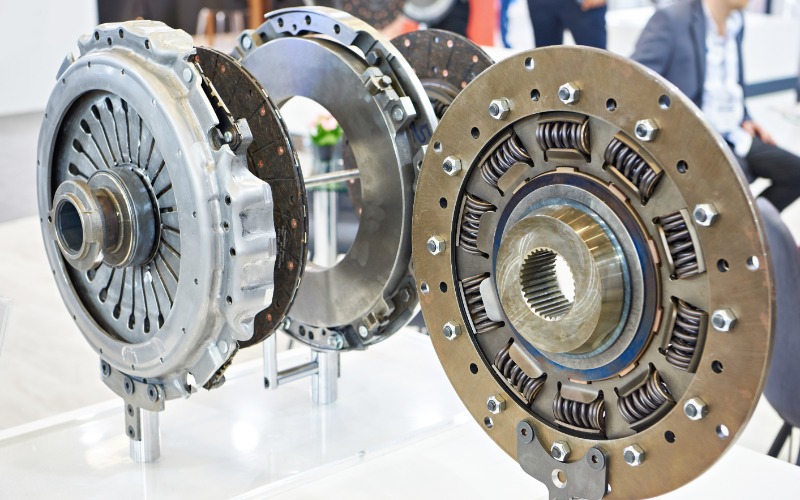
Two discs offer more friction interfaces for transmitting torque. Depending on the engineering, that can allow a clutch to hold substantial power without the pedal effort associated with some aggressive single disc options. Diaphragm spring design and release geometry still affect how the pedal feels.
No manufacturer can promise that every dual disc assembly feels like the factory unit. Some competition systems have firmer controls. Review the specific clutch design and application instead of treating a heavy pedal as an unavoidable feature.
Misconception 3: Engagement Is Always Harsh
A clutch for quick racing launches may engage abruptly. That does not mean every system with two discs behaves the same way. Engagement depends heavily on friction materials and how the assembly manages contact between its surfaces.
Material Choice Matters
Street-oriented configurations may use materials and design features that promote progressive engagement. More aggressive compounds can respond differently, particularly when cold or during slow maneuvers.
Mechanical noise also varies. Some systems produce chatter or rattle because of their construction and the surrounding drivetrain. Others incorporate features to reduce these effects. Ask about the characteristics of the exact kit, especially if the vehicle sees frequent stop-and-go traffic.
Misconception 4: Two Discs Always Deliver Better Results
Greater capacity is useful only when the vehicle can take advantage of it. Installing an oversized clutch on a mildly modified car may increase cost and introduce driving compromises without addressing a real limitation.
Match the Clutch to the Build
Engine torque matters, but so do vehicle weight and intended use. A car that regularly makes hard launches can place different demands on a clutch than one driven primarily on the highway. Tire grip also changes how much load reaches the drivetrain.
The lightest or most aggressive assembly is not automatically the best choice. Reducing rotating inertia can help an engine change speed more quickly, yet it may make smooth takeoffs less forgiving. Choose the balance that supports how the vehicle operates.
Misconception 5: Extra Friction Surfaces Prevent Overheating
Dual disc designs offer greater friction area, but they still generate heat whenever the clutch slips during engagement. The surfaces convert some of the energy from their speed difference into heat before engine and transmission speeds synchronize.
Driving Habits Still Affect Temperature
Frequent launches and prolonged slipping can raise temperatures beyond what a particular assembly can tolerate. Excessive heat may reduce friction performance, accelerate wear, or damage mating surfaces.
Drivers should avoid holding a car on a hill with the clutch and using unnecessary throttle during low-speed maneuvers. For demanding track use, select an assembly with suitable thermal capabilities and follow the manufacturer's operating guidance.
Misconception 6: Two Discs Mean Twice the Lifespan
An additional disc does not create a simple doubling of service life. Wear depends on friction material, operating temperatures, and driving technique. A competition clutch can have very different maintenance expectations from a street-focused product.
Installation and Maintenance Count
Incorrect release adjustment can lead to drag or incomplete disengagement, placing unnecessary stress on components. Poor alignment and incompatible parts can also create problems that a higher torque rating cannot solve.
Some assemblies allow mechanics to service individual friction components, but that varies by design. Inspect the full system according to manufacturer guidance before replacing or reusing components.
Misconception 7: Installation Works Exactly Like a Single Disc Setup
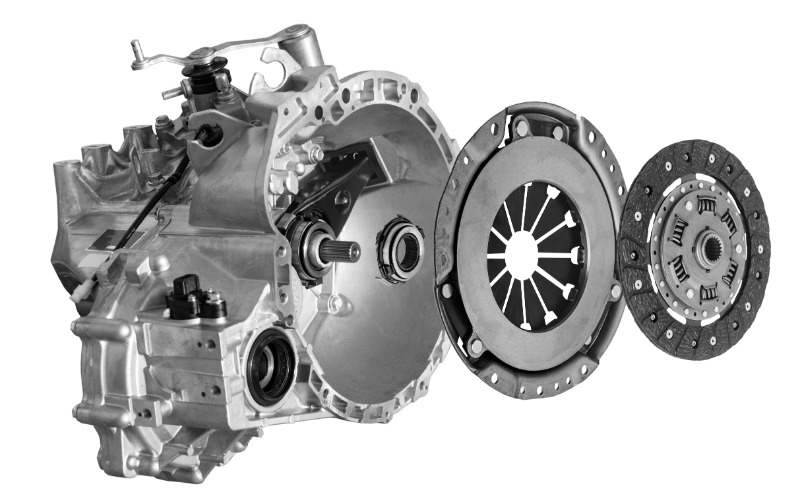
Both designs connect the engine and transmission, but a dual disc assembly contains more pieces that must fit together correctly. The intermediate plate and second friction disc make installation order and alignment especially important.
Verify Compatibility Before Assembly
Check the specified flywheel, release bearing, and any required hardware before beginning work. Release travel and installed height must also match the system's requirements. An incorrect combination can cause shifting difficulty or prevent clean disengagement.
Break-in instructions are not universal either. Certain street systems require a bedding period, while competition configurations may use different procedures. Follow the documentation for the exact kit rather than applying assumptions from a previous clutch replacement.
Misconception 8: The Highest Torque Rating Wins
Two clutches with comparable capacities may differ substantially in pedal response and engagement behavior.
Ask the Right Questions
Before choosing, consider the engine's expected torque output and the conditions the car will encounter. Discuss fitment, intended usage, and driving preferences with a knowledgeable supplier. These details help identify a system that performs reliably without unnecessary compromises.
A high rating means little if the clutch is unpleasant to operate or incompatible with the rest of the drivetrain. Appropriate capacity and sensible design choices matter more than chasing the largest number on a specification sheet.
Choose Based on Application, Not Assumptions
Dual disc clutches are not automatically race-only, harsh, or maintenance-free. Their performance depends on the engineering behind each assembly and the demands placed on it. Understanding these distinctions helps drivers avoid unnecessary upgrades and select components with greater confidence and practical clarity.
Before purchasing, confirm fitment with your transmission and review the manufacturer’s instructions so the complete assembly performs as intended. For help identifying an option that suits your vehicle, contact the Clutch Masters team and discuss your engine setup and driving needs.