

Choosing Flywheel Materials for Different Builds
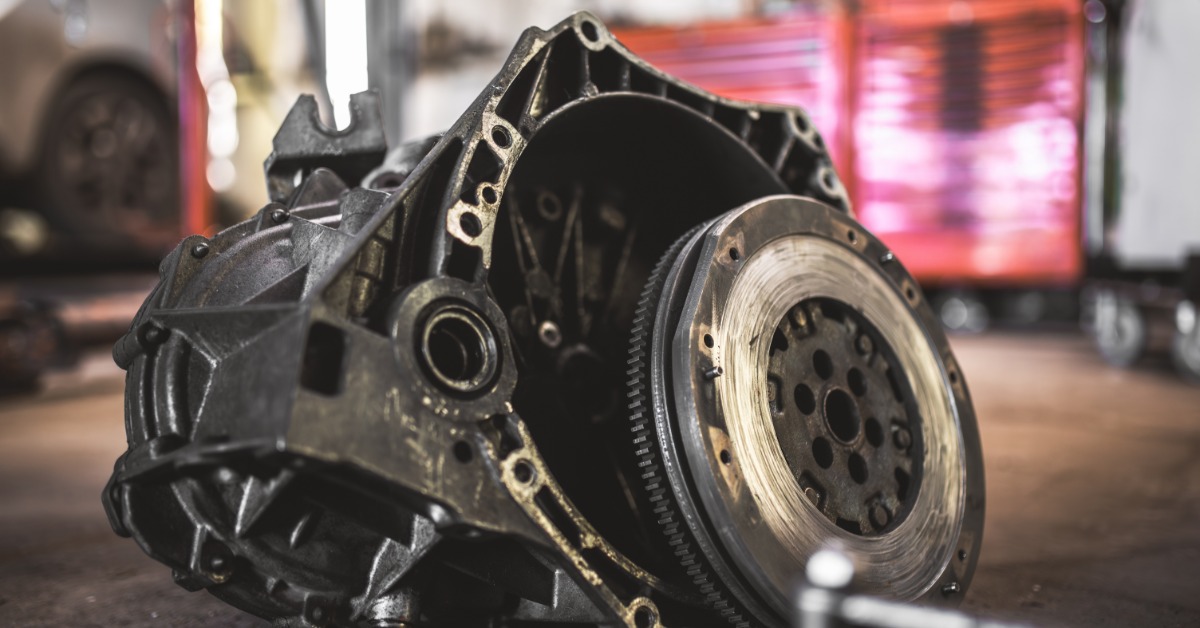
A flywheel plays an important role in how an engine responds to throttle input and transfers power through the drivetrain. Its material influences rotational weight, heat management, and driving experience.
Different builds place different demands on a flywheel. A daily driver needs predictable engagement and smooth operation, while a track-focused vehicle may benefit from quicker engine response. Understanding how to choose flywheel materials for different builds helps drivers select components that match their use.
Why Flywheel Material Matters
The flywheel connects to the engine's crankshaft and provides a friction surface for the clutch. It also stores rotational energy, which stabilizes engine speed during operation. Material selection affects the component's weight, durability, and response to changing driving conditions.
Two flywheels with similar dimensions can behave differently when manufacturers use different materials or distribute their mass differently. A heavier design maintains rotational momentum more effectively, while a lighter design requires less energy to accelerate. Neither characteristic makes one flywheel universally superior.
Understanding Rotational Inertia
Rotational inertia describes how strongly a rotating component resists changes in speed. A flywheel with greater inertia helps an engine maintain momentum when the driver releases the throttle or engages the clutch. This characteristic can make low-speed driving easier.
Reducing inertia allows engine speed to rise and fall more quickly. Drivers may notice sharper throttle response and faster rev matching during downshifts. However, less momentum can also make smooth launches more demanding, particularly in vehicles with aggressive clutch setups.
Comparing Common Flywheel Materials
Most drivers choosing a performance flywheel will encounter steel and aluminum options. Factory vehicles may also use cast iron flywheels, depending on the application. Each material offers distinct characteristics that influence how the drivetrain performs under different conditions.
Understanding these differences helps narrow the selection before considering flywheel weight, clutch compatibility, and vehicle-specific requirements.
Steel Flywheels
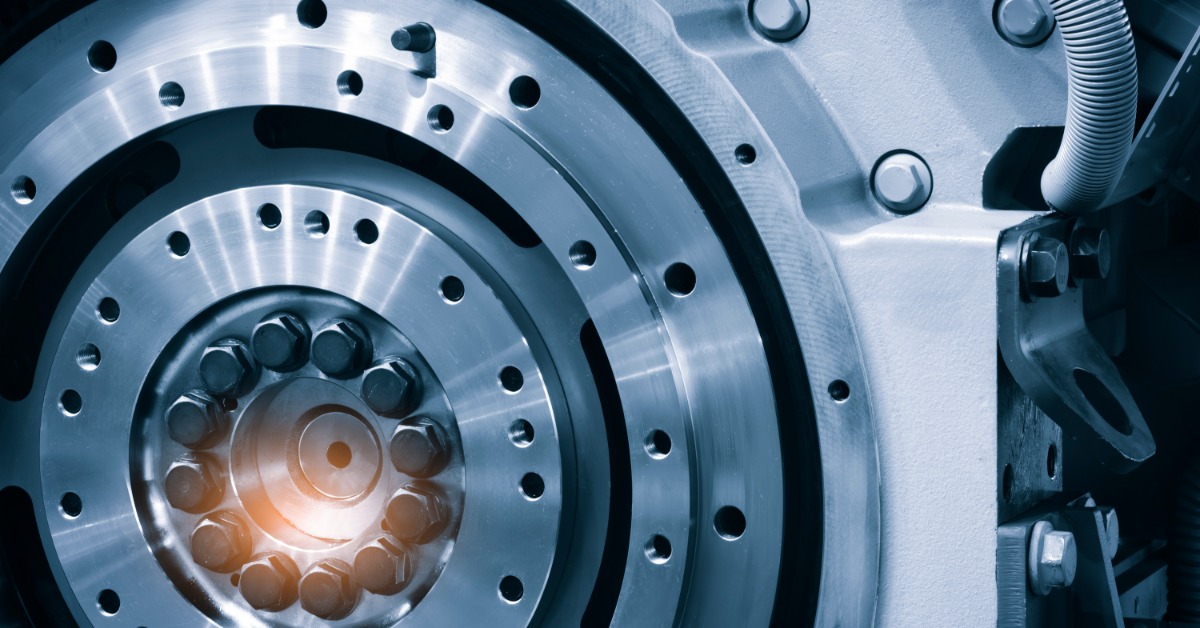
Steel provides strength and durability while supporting a wide range of flywheel designs. Manufacturers can machine steel flywheels to different weights, allowing drivers to choose between relatively responsive configurations and designs that retain more rotational inertia.
Steel also provides a durable clutch contact surface and handles frequent heating cycles when the design suits the application. Its characteristics make it an appealing choice for vehicles that balance performance driving with regular street use.
Aluminum Flywheels
Aluminum weighs substantially less than steel for the same volume, allowing manufacturers to reduce rotational mass. This reduction can make an engine feel more responsive during acceleration and downshifting. Drivers pursuing rapid engine speed changes may appreciate this characteristic.
Because aluminum does not provide the same friction surface characteristics as steel, aluminum flywheels commonly incorporate replaceable steel friction inserts. These inserts provide the clutch contact surface while allowing the flywheel assembly to retain a lightweight design.
Cast Iron Flywheels
Cast iron appears in certain original equipment flywheel applications because it offers suitable friction and manufacturing characteristics at a practical cost. Traditional cast iron designs generally emphasize reliable operation rather than minimum rotational weight.
However, cast iron does not offer the same combination of strength and design flexibility as the billet steel alternatives in many aftermarket performance applications. Drivers upgrading their drivetrain should evaluate the complete replacement assembly rather than assuming the factory material represents their best option.
Matching Flywheel Materials to Driving Conditions
Choosing the ideal flywheel material for different builds also depends on how the vehicle operates throughout its life. Engine characteristics, vehicle weight, and clutch configuration all influence the driving experience.
Material selection should reflect actual operating conditions instead of focusing exclusively on specifications.
Daily Drivers and Street Performance Builds
Street-driven vehicles spend considerable time starting from stops and operating at low engine speeds. A flywheel that retains sufficient rotational inertia can help drivers manage these conditions comfortably. Steel designs provide a practical balance between responsiveness and everyday drivability.
Lightweight options can still work well on the street, but drivers should consider potential changes in vibration and transmission noise. A dramatic reduction in flywheel mass may create compromises that become noticeable during commuting.
Track-Focused Vehicles
Track driving places greater emphasis on rapid engine response and precise control during gear changes. Aluminum flywheels can support these demands by reducing rotational inertia. Their lightweight construction may make throttle adjustments feel more immediate.
However, a lighter assembly does not automatically produce faster lap times. Engine characteristics, gearing, and driver preferences influence whether reduced inertia delivers a meaningful advantage.
High-Torque and Modified Engine Builds
Modified engines can place substantial demands on clutch and flywheel assemblies. Greater torque makes component compatibility particularly important, especially when drivers use aggressive clutch materials or launch the vehicle under significant load.
Steel flywheels can provide a strong foundation for many high-output applications, but material alone does not determine suitability. The flywheel must meet the application's design requirements, and its construction must accommodate the operating conditions.

How Flywheel Materials Affect Heat Management
Every clutch engagement generates friction between the disc and its mating surfaces. Some of that energy becomes heat, which the flywheel must absorb and transfer away from the contact area. Excessive temperatures can damage friction surfaces and contribute to clutch performance problems.
Material properties affect heat movement, but flywheel thickness and construction also influence thermal behavior. A lightweight design may have less mass available to absorb heat during slipping events, making overall system design especially important.
Steel and Thermal Durability
Steel offers a durable working surface that can withstand demanding clutch operation. Its thermal response depends on the alloy, component mass, and operating conditions.
Frequent overheating can still produce surface damage, distortion, or changes in friction behavior. Choosing a steel flywheel does not eliminate the need for proper clutch operation and effective heat management.
Aluminum and Replaceable Friction Surfaces
Aluminum conducts heat efficiently, but the clutch typically contacts a steel insert rather than the aluminum body. The insert absorbs direct friction loading and transfers heat through the assembly.
Replaceable inserts also provide a maintenance advantage for compatible designs. When the friction surface reaches its service limit, drivers may be able to replace the insert instead of purchasing an entirely new flywheel.
Additional Factors Before Choosing a Flywheel
Check Clutch Compatibility
Not every flywheel works with every clutch assembly. Differences in friction surface dimensions, mounting patterns, and installed heights can prevent proper engagement or release.
Drivers should confirm compatibility with their specific vehicle and clutch kit before purchasing. This becomes especially important when replacing a factory dual-mass flywheel with a single-mass design, since the change can affect drivetrain vibration and noise.
Consider Maintenance and Service Life
Long-term maintenance requirements deserve attention, particularly for vehicles that experience frequent clutch replacement. Some steel flywheels permit resurfacing when their condition and manufacturer specifications allow it. Aluminum assemblies with replaceable inserts follow different service procedures.
Regular inspections can reveal heat spots, cracking, and uneven wear before those problems affect new clutch components.
Choose the Right Flywheel for Your Build
Choosing flywheel materials requires balancing engine response with driving comfort and durability. Steel offers versatility for street and performance applications, while aluminum supports lightweight designs for demanding motorsport use. Cast iron remains relevant in certain factory configurations, although aftermarket options provide additional choices.
The best solution depends on the vehicle's use and the complete drivetrain setup. Explore Clutch Masters' selection of flywheels to compare compatible steel and aluminum options, or contact the Clutch Masters team for assistance selecting the right component for your build.