

How Hydraulic Pressure Impacts Clutch Feel
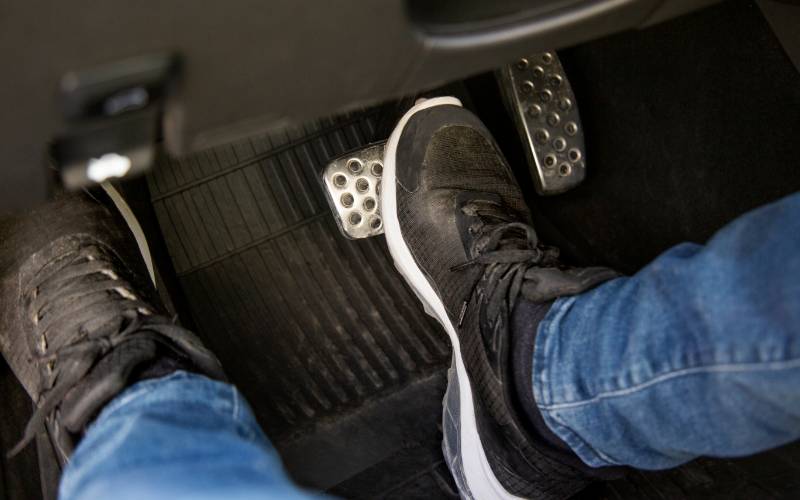
Clutch pedal feel shapes how confidently a driver operates a manual transmission. A smooth, predictable pedal supports clean shifts, while inconsistent resistance can make routine driving frustrating. Hydraulic pressure helps determine how the clutch responds whenever the driver presses or releases the pedal.
Understanding how hydraulic pressure impacts clutch feel can help drivers recognize problems before they affect drivability. Whether a vehicle handles daily traffic or demanding performance driving, its hydraulic system must move the clutch release mechanism reliably.
How Hydraulic Pressure Controls Clutch Engagement
Hydraulic clutch assemblies transfer energy from the pedal to the release mechanism via fluid. Pushing the pedal shifts a piston inside the master cylinder, which sends fluid toward the slave cylinder. The slave cylinder moves the release mechanism, allowing the clutch to disengage.
When the driver releases the pedal, the clutch's spring force helps return the release mechanism to its resting position. Proper fluid movement and functioning seals allow the clutch to respond consistently through both actions.
The Relationship Between Pressure and Pedal Resistance
Hydraulic pressure develops when the master cylinder pushes fluid against resistance from the clutch release mechanism. The pressure depends on the force applied and the master's piston area. Pressure plate spring characteristics also influence the resistance drivers feel through the pedal.
Hydraulic pressure alone does not determine pedal effort. Pedal geometry, cylinder dimensions, and release mechanism leverage affect how much force reaches the pressure plate. Changing one part can alter the driver's experience without changing the clutch itself.
Why Fluid Movement Matters
Hydraulic fluid transfers force effectively because it resists compression under normal operating conditions. Each pedal movement displaces fluid toward the slave cylinder, which must travel far enough to release the clutch.
Trapped air behaves differently. Because air compresses much more easily than fluid, it absorbs part of the pedal movement and reduces available release travel. This can make the clutch partially engage even when the pedal reaches the floor.
How Hydraulic Components Affect Pedal Feel
The master cylinder, slave cylinder, and connecting lines work together to deliver sufficient movement at the release mechanism. Their dimensions must match the vehicle's clutch requirements.
Drivers considering a hydraulic clutch kit should confirm that its components suit their specific application. A replacement part that fits physically may still provide unsuitable travel or pedal effort if its hydraulic dimensions differ from the intended design.
Master Cylinder Size and Pedal Effort
The master cylinder transforms pedal force into hydraulic pressure. Its bore diameter influences how much fluid moves during a given amount of piston travel.
A smaller bore generally reduces the pedal force necessary for a given release load but requires more travel to move the same fluid volume. A larger bore moves more fluid per increment of travel but generally increases pedal effort. Neither choice automatically improves clutch performance.
Slave Cylinder Operation
The slave cylinder changes fluid pressure into movement at the release mechanism. Its bore diameter affects both movement distance and available force. An incompatible cylinder can prevent the clutch from disengaging completely.
A worn cylinder may also leak or fail to hold pressure. Drivers could notice a changing engagement point, difficulty selecting gears, or a pedal that no longer responds consistently.
Common Hydraulic Problems That Change Clutch Feel
When the hydraulic circuit cannot maintain pressure or deliver adequate fluid movement, pedal response can change. Some failures develop gradually as seals age, while others appear suddenly after a leak or damaged connection.
Air Inside the Hydraulic Circuit
Air in a hydraulic line or cylinder can create a soft, spongy pedal. Instead of moving the release mechanism immediately, some pedal travel compresses the air.
Bleeding removes air and can restore normal movement when air causes the problem. If symptoms return, a technician should inspect for leaks or other sources of air intrusion rather than repeatedly bleeding the clutch.
Fluid Leaks and Worn Seals
External leaks can develop at hydraulic lines, fittings, or cylinder seals. Fluid loss eventually limits the clutch’s ability to operate correctly.
Internal leakage presents a different challenge. A worn master cylinder seal may allow fluid to bypass the piston without an obvious puddle. A slowly sinking clutch pedal can indicate this problem, although a complete diagnosis should consider other possible causes.
Heat and Hydraulic Performance
High temperatures can affect clutch hydraulics, especially when moisture contaminates fluid over time. In extreme conditions, vapor can form in the circuit and interfere with pressure transmission. Heat may also accelerate deterioration of vulnerable seals.
Using the manufacturer-specified fluid and addressing leaks promptly can help protect the system. Any pedal changes during demanding driving deserve inspection rather than assumptions about the clutch disc.
How Clutch Upgrades Change Hydraulic Requirements
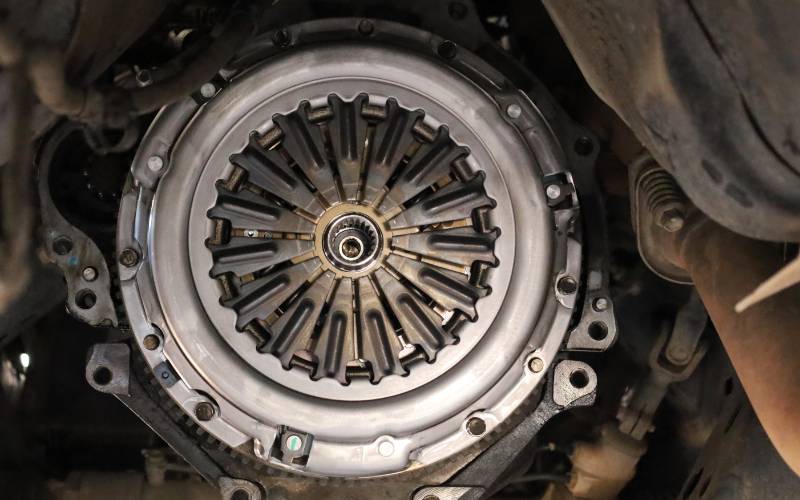
A performance clutch may use pressure plate characteristics that differ from the factory assembly. Those differences can change the force necessary to disengage the clutch, even when the hydraulic components remain static.
However, a higher torque capacity does not automatically mean a heavier pedal. Pressure plate design and release geometry also play important roles.
Match Hydraulic Travel to the Clutch
The release system must move far enough to disengage the clutch completely without exceeding the assembly's safe travel limits. Insufficient movement can cause clutch drag and difficult gear changes. Excessive release travel can damage certain components.
Before changing cylinder sizes, verify the clutch manufacturer's requirements. Proper matching is more important than trying to create greater pressure or longer movement.
Balance Performance and Drivability
Street vehicles benefit from predictable clutch response during frequent starts. Excessive pedal effort makes traffic more tiring, while an inconsistent engagement point complicates smooth takeoffs.
Track-oriented setups may prioritize different clutch characteristics, but hydraulics do not dictate engagement behavior by themselves. Friction material and clutch design influence how the assembly takes up torque. The hydraulic system must support the chosen configuration rather than compensate for a poor match.
Maintaining Consistent Hydraulic Clutch Performance
Routine checks can catch hydraulic concerns before they disrupt driving. Monitor the specified fluid reservoir, inspect accessible connections, and pay attention to changes in pedal feel.
Warning Signs Worth Investigating
A softer pedal may indicate air or a pressure-retention problem. Difficulty selecting first or reverse can suggest incomplete disengagement. Fluid loss or an engagement point that moves unexpectedly also warrants attention.
These symptoms do not prove a hydraulic system failure. Release components and clutch wear can produce similar behavior, so diagnosis should consider the complete assembly.
Why Installation and Bleeding Matter
Correct installation requires compatible components, proper routing, and manufacturer-approved procedures. Air left inside the circuit after service can make new parts feel defective, even if they function correctly.
After bleeding, verify full disengagement and consistent pedal return. If shifting remains difficult, investigate the release travel and surrounding components before driving the vehicle aggressively.
Support Reliable Clutch Feel With Proper Hydraulics
Hydraulic pressure impacts clutch feel and release movement. Cylinder sizing, fluid condition, and mechanical leverage shape how the system responds. Keeping those elements in working order supports predictable shifting and dependable operation.
When repairing or upgrading your vehicle, choose clutch and hydraulic components designed to work together. Explore Clutch Masters' performance clutch solutions, and contact the team for help identifying components suitable for your application.