

Best Clutch Setups for Street vs. Track Vehicles
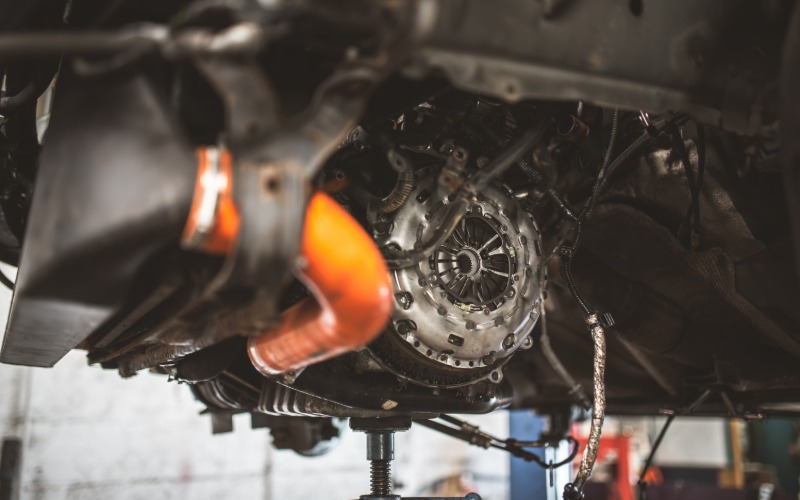
Choosing a clutch setup involves more than finding a component that can hold the engine’s torque. The way a person drives the vehicle significantly affects which clutch design makes sense, especially when comparing a daily-driven street car with a vehicle built for track use.
Street vehicles need predictable engagement, manageable pedal feel, and durability through frequent starts and stops. Track vehicles place more emphasis on heat resistance, rapid engagement, torque capacity, and consistent performance under demanding conditions. Below, we’ll take a closer look at what clutch setups are best for street and track vehicles.
What Makes a Good Street Clutch Setup?
A street clutch must perform across a wide range of normal driving situations. Drivers may move through stop-and-go traffic, start on hills, back into parking spaces, or spend long stretches cruising on the highway. Smooth engagement matters because the driver constantly modulates the clutch during low-speed operation.
A street setup should also provide enough torque capacity for the vehicle’s power level without making the car unnecessarily difficult to drive. Installing a clutch for far more aggressive use than the car requires can produce abrupt engagement, additional noise, or a pedal feel that becomes tiring during everyday driving.
Engagement Should Remain Predictable
Progressive engagement gives the driver more control when pulling away from a stop. A clutch disc with street-friendly friction characteristics allows some modulation between fully disengaged and fully engaged positions, which makes normal driving easier.
This characteristic becomes especially useful in modified vehicles that still spend most of their time on public roads. Additional horsepower may require more holding capacity, but that does not automatically mean the driver needs the most aggressive friction material available.
Street Vehicles Still Need Heat Management
Every clutch generates heat when the disc slips against the flywheel and pressure plate. Normal launches, gear changes, and low-speed maneuvering create friction, and that friction converts energy into heat.
Street driving usually provides recovery time between demanding clutch events. Even so, a higher-powered street vehicle can create substantial heat during hard launches or spirited driving, so the clutch, pressure plate, and flywheel still need enough thermal capacity for the application.
How Track Driving Changes Clutch Requirements
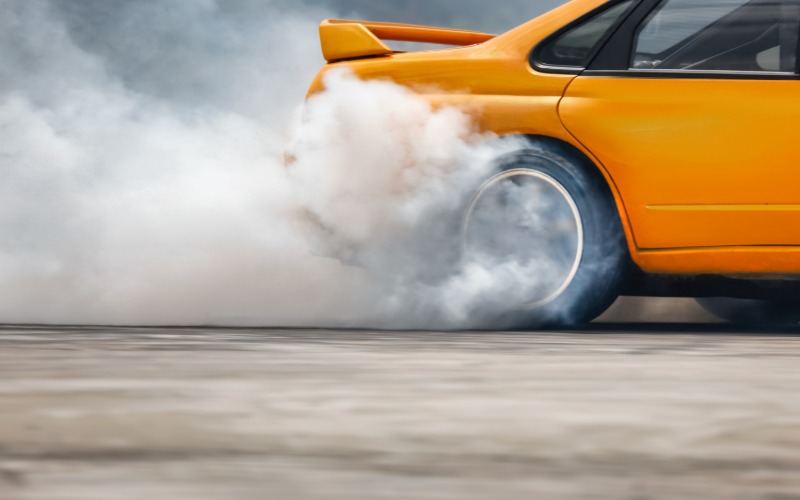
We’ve discussed the best clutch setups for street vehicles, but what about track cars? Track driving exposes clutch components to a different workload. Fast acceleration, frequent shifts, high engine speeds, and aggressive launches can increase both mechanical and thermal stress. The clutch must continue transferring torque consistently even as temperatures rise.
A dual disc clutch can provide additional friction surface area while maintaining a package suitable for high-performance applications. The additional disc allows the assembly to handle more torque without relying solely on extreme clamping pressure, which can make a multidisc design attractive for powerful street-and-track builds.
Heat Capacity Becomes More Important
Track sessions can frequently load the clutch without giving the system the same recovery conditions found during casual street driving. Heat can build in the friction surfaces, pressure plate, flywheel, and surrounding components as the driver cycles through acceleration and shifting.
Excessive heat can change friction behavior and reduce the clutch’s ability to hold power consistently. Selecting components to handle higher temperatures helps maintain predictable engagement as the vehicle experiences frequent high-load operation.
Faster Engagement Can Benefit Track Vehicles
A clutch that engages quickly can help a driver transfer power efficiently during competition driving. Track-focused friction materials and disc designs can provide a more immediate connection between the engine and transmission when the clutch pedal releases.
That response comes with a tradeoff. Quick, aggressive engagement may feel harsh in traffic or during low-speed maneuvering, so a clutch for competition use may not provide the best experience in a vehicle that still handles daily commuting.
Single-Disc vs. Multi-Disc Clutch Setups
Single-disc clutches remain a strong choice for many street vehicles and some performance cars. A properly matched single-disc system can offer smooth engagement, reasonable pedal effort, and enough holding capacity for substantial increases over factory power.
Multi-disc configurations increase the amount of available friction area by using more than one clutch disc. This design can support higher torque levels while keeping the overall clutch diameter relatively compact, making it useful as power demands move beyond what a conventional street-oriented single-disc setup can comfortably manage.
Power Level Matters, but Usage Matters Too
Torque capacity provides an important starting point when choosing a clutch, but it should not become the only consideration. Two vehicles producing similar power can require different clutch setups if one spends its life commuting and the other regularly sees drag racing, road-course sessions, or other motorsports.
The correct setup balances power capacity with the type of engagement, heat resistance, and drivability the vehicle requires. Choosing based only on the largest advertised torque rating can result in a clutch that performs well on paper but does not match the driving environment.
Flywheel Choice Also Changes Vehicle Behavior
The flywheel works with the clutch assembly and can influence how quickly engine speed changes. A lighter flywheel reduces rotating mass, which can help the engine respond more quickly to throttle inputs and RPM changes.
A heavier flywheel stores more rotational energy and can make launching and low-speed driving easier. Street vehicles may benefit from that smoother behavior, while certain performance builds may prioritize faster engine response instead. The right choice depends on the complete vehicle setup rather than one component in isolation.

Factors to Consider Before Selecting a Clutch
Start with the vehicle’s current torque output and any planned engine modifications. Forced induction, tuning, engine upgrades, tire changes, and drivetrain modifications can increase the load the clutch must transfer. A setup that works with a stock engine may no longer provide sufficient capacity after significant power increases.
Next, consider where the vehicle spends most of its time. Daily traffic, highway driving, drag racing, autocross, and road-course use each place different demands on the clutch. Selecting a setup around the vehicle’s actual workload helps avoid both insufficient capacity and unnecessary compromises.
Consider the Entire Drivetrain
Clutch performance does not exist separately from the rest of the drivetrain. The flywheel, pressure plate, hydraulic components, transmission, tires, and engine output all influence how the vehicle responds when the clutch engages.
Changes elsewhere in the vehicle can also affect clutch loading. More traction can place greater stress on the drivetrain because the tires transfer more of the engine’s torque instead of spinning, while greater engine output raises the amount of torque the clutch must hold.
Match the Clutch to How You Drive
Street and track vehicles ask different things from their clutch systems. A street car benefits from smooth engagement, manageable pedal feel, and dependable performance during everyday driving, while a track vehicle requires greater resistance to heat, frequent high-load operation, and aggressive power transfer.
The best clutch setup is the one that matches the vehicle’s power, drivetrain, and actual use. If you are upgrading a street car, building a dedicated track vehicle, or trying to balance both types of driving, contact Clutch Masters Industries to discuss a clutch and flywheel setup designed for your application.