

How Power Goals Determine Your Clutch Setup
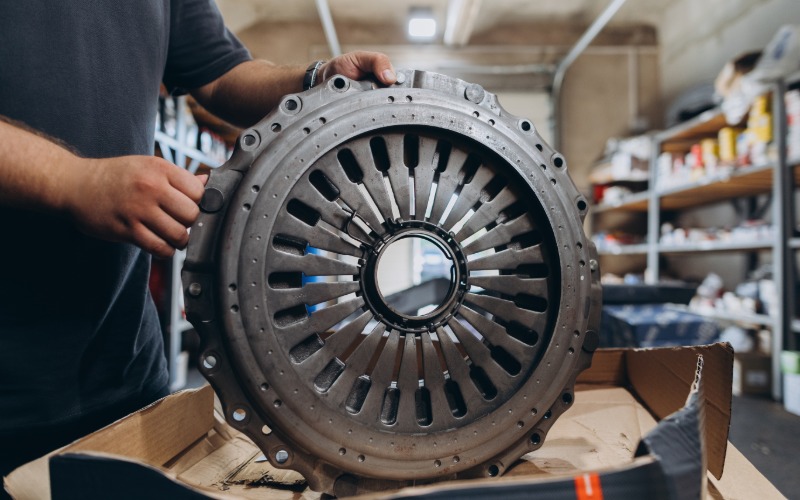
Adding power changes more than just how quickly a car accelerates. As engine output rises, the drivetrain must transfer more force without allowing the clutch to slip or become difficult to control. That makes clutch selection an important part of planning any performance build.
The right setup depends on more than a horsepower figure. Torque, driving conditions, modifications, and how you use the vehicle all influence what the clutch must handle. Matching those factors to the right design can provide the holding capacity you need without sacrificing more drivability than necessary. Keep reading to understand how the power goals for your vehicle can determine your ideal clutch setup.
Why Power Output Changes Clutch Requirements
A factory clutch must handle the output of a stock engine while providing predictable engagement and comfortable street manners. Once modifications increase engine output, the clutch may need to transfer considerably more torque than the original setup can manage.
Torque matters because the clutch sits between the engine and transmission, transferring rotational force through friction. If the available clamping force and friction capacity cannot handle that force, the disc can begin slipping against the flywheel and pressure plate.
Slip does more than reduce acceleration. It generates heat, which can accelerate wear and further reduce the clutch's ability to transfer power. A setup that performs well at stock output can become a weak point after substantial engine modifications.
Think Beyond Peak Horsepower
Peak horsepower provides useful context, but it does not tell the entire story. Two engines producing similar horsepower can deliver very different amounts of torque or develop that torque at different points in the rev range.
A turbocharged engine that produces a large surge of torque at relatively low rpm can place different demands on a clutch than a naturally aspirated engine that makes its power higher in the rev range. How quickly torque reaches the drivetrain matters alongside the final output number.
For that reason, choose a clutch based on the vehicle's complete combination rather than a single dyno figure. Consider engine modifications, expected torque, vehicle use, and any additional changes you intend to make.

Matching Clutch Kits to Your Build
Choosing a performance clutch kit starts with determining how much capacity the vehicle requires. Installing the most aggressive clutch available is not automatically the best approach, especially when the vehicle spends most of its time on public roads.
A suitable setup should provide adequate holding capacity while maintaining characteristics that make sense for the application. A mildly modified daily driver has very different requirements from a dedicated drag car, even if both vehicles benefit from greater capacity than their factory clutches provide.
Mild Street Builds
Basic modifications such as an intake, exhaust, or tune may increase power without completely changing the personality of the vehicle. For these builds, maintaining smooth engagement and manageable pedal feel usually remains important.
A street-oriented clutch can add holding capacity while preserving much of the behavior drivers expect during normal use. Clutch Masters' FX100, for example, uses an organic friction material and targets street-driven vehicles with relatively minor modifications.
Moving immediately to a highly aggressive disc can introduce characteristics that provide little benefit for this application. Selecting only as much clutch as the vehicle requires can make the combination easier to drive.
Moderately Modified Street Cars
As modifications become more substantial, the clutch must deal with more torque while still functioning in traffic and routine street driving. Turbocharger upgrades, supercharger systems, internal engine work, or more aggressive tuning can push a build beyond the capabilities of a basic street clutch.
This is where friction material and disc design become increasingly important. Different materials can change holding capacity, engagement behavior, heat tolerance, and durability under demanding use.
Factor in How You Drive the Vehicle
Power capacity should never be the only consideration. The clutch experiences very different conditions during commuting, road-course driving, drag racing, and frequent hard launches.
Before selecting a setup, consider:
- How much torque the engine currently produces
- Which modifications you plan to add later
- Whether the vehicle sees primarily street or track use
- How much engagement aggressiveness you can comfortably accept
These questions help narrow the available choices without assuming that a higher-rated clutch automatically delivers a better driving experience.
Street Driving Rewards Controllable Engagement
Street cars must start smoothly from a stop and remain manageable in traffic. Progressive engagement makes low-speed operation easier and can reduce the effort to drive the vehicle every day.
This becomes especially important in modified cars that still spend most of their lives on the road. A clutch primarily for competition may transfer substantial torque, but its engagement characteristics can make routine driving less comfortable.
Track Use Changes the Priorities
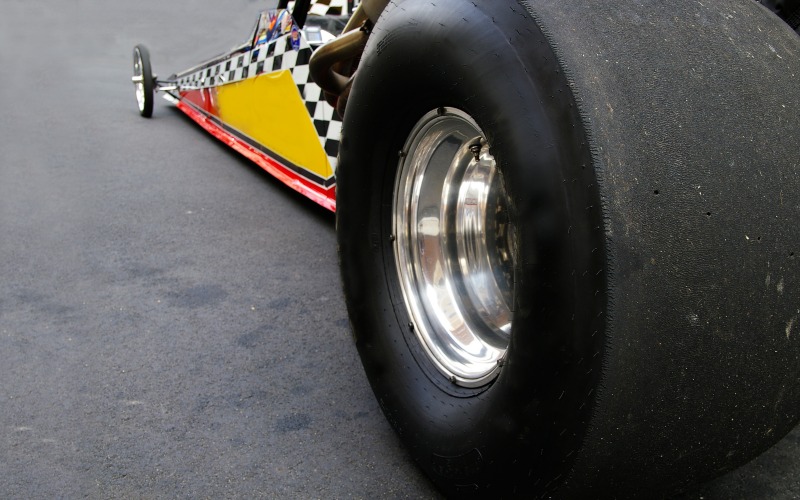
Competition changes what matters. Frequent acceleration runs, aggressive shifting, and hard launches can place much greater loads on the clutch than normal street driving.
Higher-capacity designs may use more aggressive friction materials to withstand these conditions. Clutch Masters' FX400, for example, uses a ceramic disc and can withstand demanding street and racing applications. The FX500 moves further toward competition use with a rigid disc design and rapid engagement.
Those characteristics make sense when maximum holding capability carries greater importance than smooth low-speed operation. They can be unnecessary for a lightly modified road car.
Leave Room for Future Modifications
Selecting a clutch based only on today's engine configuration can create another upgrade sooner than you may expect. If you already know that a larger turbo, additional boost, or significant engine work is coming, consider the output after those changes.
That does not mean dramatically oversizing the clutch. Instead, choose a setup with enough capacity for the realistic direction of the build.
Avoid Choosing by Stage Name Alone
Terms such as "stage" can make clutch selection seem simple, but a label should not replace application-specific information. The same clutch series can have different torque capacities depending on the vehicle and configuration.
Look at the specifications for the exact application. Engine output, friction material, disc design, flywheel compatibility, and intended vehicle use all provide useful information when comparing options.
Remember the Rest of the Drivetrain
While power goals are useful in determining your clutch setup, they’re not everything. Remember that a clutch does not work in isolation. Increasing its holding capacity means more torque can pass into the transmission, axles, differential, and other drivetrain components.
A slipping clutch may limit the load reaching those parts. Replacing it with a stronger setup can expose existing weaknesses elsewhere in the drivetrain.
That does not mean you should avoid upgrading the clutch. It means the complete vehicle should influence the decision, particularly when engine output has increased substantially beyond stock levels.
Match the Clutch to the Power and the Car
Choosing a clutch becomes easier when you start with the vehicle rather than simply looking for the most aggressive option available. Consider torque output, modifications, driving conditions, and the amount of street use the car still sees. Then select a clutch that provides enough capacity while delivering engagement characteristics appropriate for the application.
Clutch Masters offers clutch systems for everything from mildly modified street cars to dedicated competition vehicles. If you are unsure which setup fits your build, contact Clutch Masters to discuss your vehicle, modifications, and application with a clutch expert.