

What To Check When Choosing an Aftermarket Part for Your Car
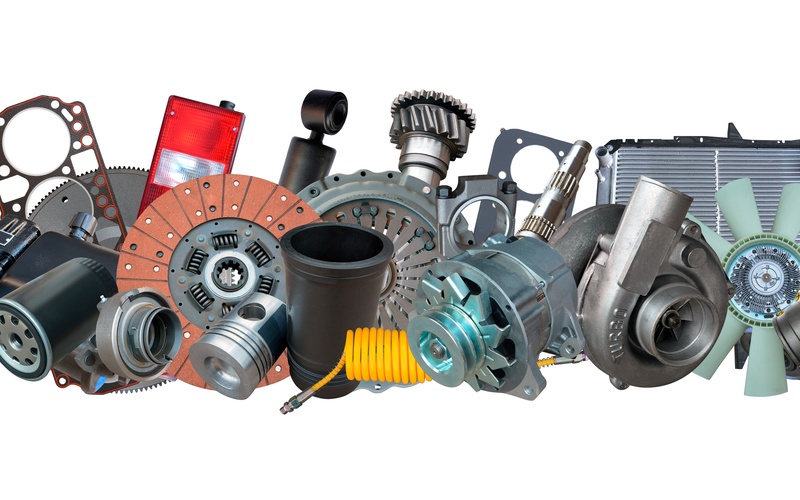
Upgrading your vehicle with aftermarket parts can transform the driving experience. Whether you’re preparing for a track day or simply seeking enhanced performance on the street, selecting the right components requires careful consideration. Making an informed choice protects your investment and ensures your vehicle remains reliable.
But what are you supposed to check when choosing aftermarket parts for your car? It can be difficult, especially for those unfamiliar, but we can help. The guide below will help you better understand aftermarket parts and the factors to consider before buying them.
What Are Aftermarket Parts?
Aftermarket parts are components that companies other than the vehicle’s original equipment manufacturer (OEM) create. The parts replace or upgrade existing components in your car, commonly offering enhanced performance characteristics, improved durability, or cost advantages over factory parts.
The aftermarket industry encompasses everything from basic maintenance items like filters and brake pads to high-performance modifications, such as turbochargers and racing clutches. It thrives because the industry addresses specific needs that OEM parts may not fulfill. Racing professionals rely on aftermarket suppliers for equipment that pushes performance boundaries beyond what mass-produced vehicles can achieve.
OEM vs. Aftermarket Parts
OEM parts maintain exact specifications as your vehicle’s original components, ensuring a perfect fit and function. The parts typically carry manufacturer warranties and meet the same quality standards established during vehicle production. However, OEM parts are for average driving conditions and general consumer needs; they fail to accommodate specialized applications or enhanced vehicle performance.
Aftermarket parts offer greater variety in quality levels, performance characteristics, and price points. Premium aftermarket manufacturers can exceed OEM specifications using advanced materials and engineering techniques unavailable during your vehicle’s original production. Conversely, economy aftermarket options may sacrifice some durability for cost savings, making research essential before making a purchase.
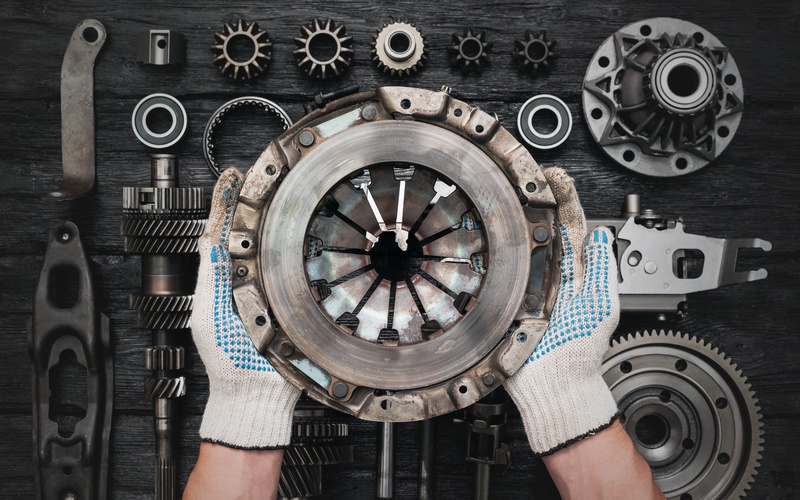
Key Factors To Consider
When choosing an aftermarket part for your car, there are a few things you should check about the product first. Determine the part’s compatibility with the vehicle and reliability, the manufacturer’s reputation, and the company’s customer support features.
Compatibility With Your Vehicle
Vehicle compatibility is the priority when selecting aftermarket parts. Factors like your vehicle’s year, make, model, engine type, and transmission setup all influence how the part will fit. Even slight differences within the same model year can require unique components, so precise identification is extremely important. Modern vehicles rely on intricate electronic systems, and installing incompatible parts can reduce the vehicle’s performance or damage the system.
Suspension and performance modifications demand extra attention to compatibility. Adjustments to one component often require updates to others. For example, lowering springs need compatible shock absorbers to maintain handling and durability. Similarly, performance clutch systems must match the engine’s torque and transmission specifications.
Part Quality and Reliability
Quality assessment starts with understanding manufacturing standards and materials. Premium aftermarket manufacturers invest in advanced materials like forged aluminum, carbon fiber, or proprietary friction compounds. Precision machining, computer-controlled assembly, and strict quality control further set professional-grade components apart from budget alternatives, ensuring better reliability and longevity.
Testing is another key indicator of quality. Reputable manufacturers rigorously test their products under real-world conditions, including extreme temperatures, track scenarios, and accelerated wear. This data, often publicly available, highlights a commitment to performance and durability, giving components an edge over others.
Warranties and Return Policies
Comprehensive warranty coverage reflects manufacturer confidence and protects your investment. Many premium aftermarket parts offer warranties that surpass OEM coverage, extending to multiple years or mileage limits. Some racing components even include specialized warranties for track use.
Before you purchase an aftermarket part, fully understand the manufacturer’s warranty and their return policy. International manufacturers may complicate warranty service, requiring costly shipping for returns or repairs. Domestic suppliers can provide faster resolutions and lower costs for warranty issues. This makes them a more convenient option for obtaining critical components.
Brand Reputation and Reviews
Established automotive aftermarket brands build their reputations on consistent quality and performance. Companies focusing on specific components deliver superior products due to their expertise, while a racing background adds credibility by proving their parts in extreme conditions. Customer reviews offer real-world insights, with long-term reviews being especially valuable, as they reveal a component’s durability over time.
Industry awards, endorsements from racing organizations, and use by successful racing teams signal professional trust in a product. Components recommended by automotive publications or backed by racing teams undergo rigorous evaluation, further validating their performance claims.
Check for Certifications and Standards
Industry certifications validate that components meet safety and performance standards. The Society of Automotive Engineers (SAE) develops standards for automotive components, while the International Organization for Standardization (ISO) provides quality management certifications. The SFI Foundation establishes testing criteria, standards, and provides certifications for motorsports. Parts bearing these certifications have undergone rigorous testing to verify compliance with industry requirements.
Racing bodies, including the Sports Car Club of America (SCCA) and National Hot Rod Association (NHRA), approve specific components for competition use. The FIA is the governing body for many motorsports and sets strict requirements that manufacturers must meet and adhere to. They establish rules focused on safety features for parts like seats, racing suits, and helmets. These approvals indicate that parts meet safety requirements for racing applications and can withstand competition stresses.
Why Choose Clutch Masters Industries
There are plenty of aftermarket part manufacturers out there, but Clutch Masters stands above the rest when it comes to performance clutch components and kits. We offer hydraulic clutch kits and numerous other parts that meet the standards of competitive racing and high-performance applications.
Tested for Real-World Reliability
Rigorous testing ensures that every component delivers reliable performance under extreme stress. Every Clutch Masters product undergoes extensive testing under real-world conditions, including professional racing environments.
Trusted by Drivers Worldwide
Clutch Masters has built a reputation for excellence in performance and reliability. Known for high-quality craftsmanship and innovative designs, we are a go-to choice for professional racers and car enthusiasts alike. With decades of experience, Clutch Masters continues to set the standard in the automotive industry.

Installing Aftermarket Parts: DIY vs. Professional
Once you have the aftermarket part, you have to consider whether you want to install it yourself or seek the help of a professional. The ease of installation for aftermarket components varies based on the complexity of the modification and the installer’s skill level. Complex systems, such as performance clutches, require professional expertise due to the need for specialized tools, precise alignment, and adherence to torque specifications.
While professional installation involves labor costs, it minimizes the risk of damage to the vehicle from improper installation. Certified technicians offer security through warranty protection and insurance coverage for their work. They also use diagnostic tools to ensure proper installation and system functionality, making them a worthwhile investment for complex or critical modifications.
Make Smart Aftermarket Selections With Clutch Masters
It can be a challenge to feel confident when purchasing aftermarket parts for your vehicle. Selecting the right parts means balancing performance, quality, budget, and vehicle compatibility. Thorough research, quality certifications, and reputable manufacturers are key to successful upgrades that enhance performance without sacrificing reliability.
The aftermarket industry offers great opportunities to customize your vehicle, and choosing established brands like Clutch Masters Industries ensures lasting performance. If you’re looking for a high-performance clutch kit or parts for your car, browse our inventory online or contact our staff to speak with a clutch expert.