

Understanding How Your Driving Affects Your Clutch
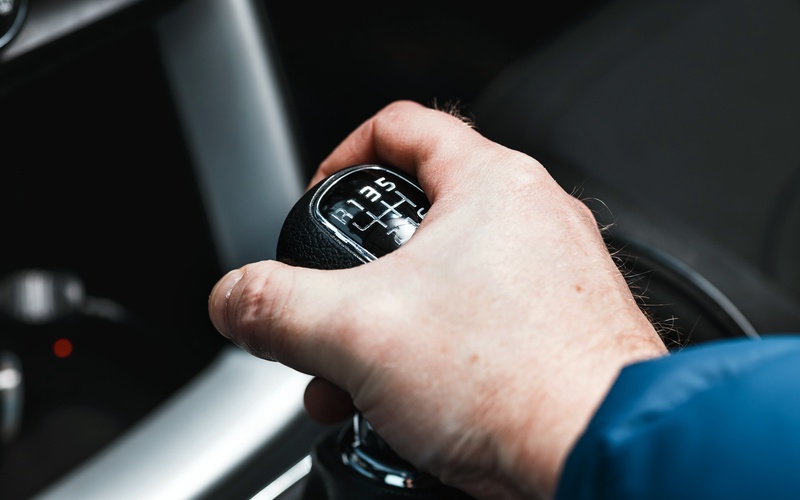
Your vehicle's clutch takes more punishment than any other part of the drivetrain. Every gear change, hill start, and moment of hesitation at a traffic light adds stress to this critical system. For both performance enthusiasts and everyday drivers, proper technique can mean the difference between a clutch lasting 100,000 miles or failing at 30,000.
In this guide, we’ll explain how your driving affects your clutch so you can better understand how to care for it and prolong its use. Whether you're tackling track days in a performance car or enduring daily commutes, mastering clutch control can save you money, improve your vehicle's reliability, and ensure smoother driving experiences.
Understanding Your Vehicle's Clutch System
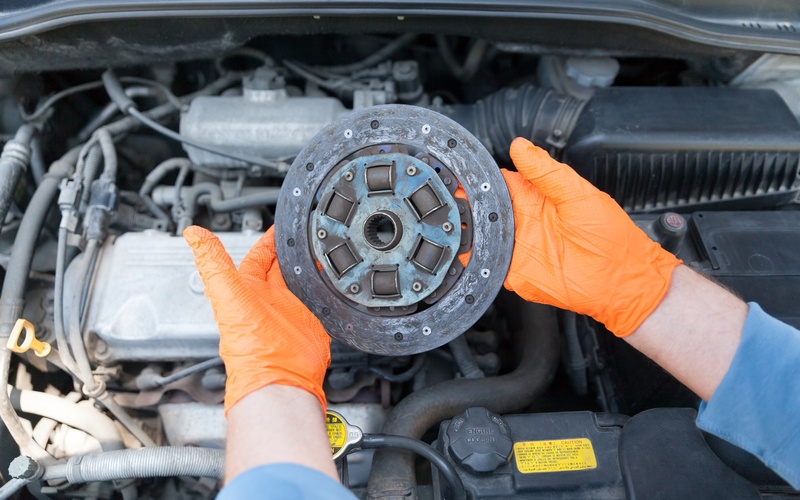
The clutch system is the crucial connection between your engine's power and the transmission that delivers it to the wheels. This mechanism consists of several precision-engineered components working in harmony: the flywheel, clutch disc, pressure plate, release bearing, and hydraulic actuation system.
How the Clutch Works
When you press the clutch pedal, hydraulic pressure disengages the clutch disc from the flywheel, enabling smooth gear shifts. Releasing the pedal re-engages the system, transferring engine torque through the transmission to the wheels. This seemingly simple process involves significant friction, heat, and mechanical stress.
Modern Demands on Clutch Systems
Today’s clutch systems must handle increasingly powerful engines while ensuring smooth operation across varying driving conditions. High-performance vehicles, in particular, place greater demands on clutches. These systems require advanced materials and engineering to withstand track use and aggressive driving styles.
Why Driving Habits Matter
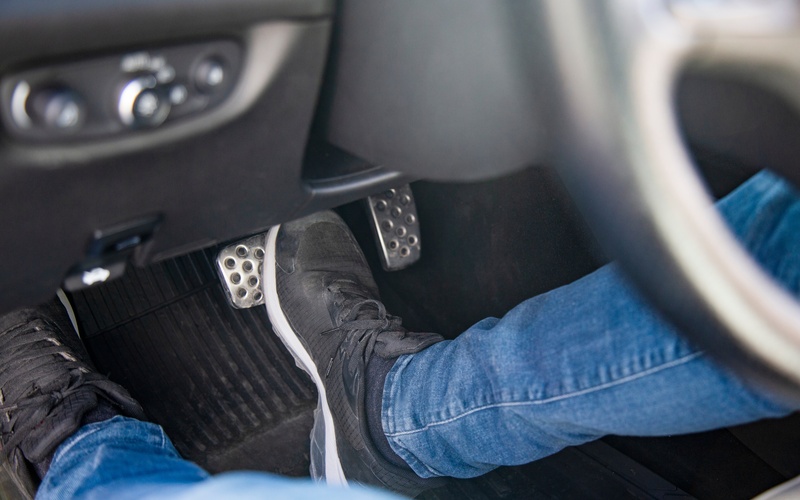
Driving habits significantly affect the longevity and performance of a clutch system. Frequent stop-and-go traffic, aggressive shifting, or improper clutch engagement can accelerate wear and tear, reducing reliability over time. Racers and enthusiasts who push their vehicles to the limit, whether during track days or spirited drives, place additional stress on the clutch.
Smooth and controlled operation prolongs the clutch’s lifespan and ensures consistent performance when it matters most. Understanding how driving style influences clutch wear is key to optimizing its functionality and getting the best out of your vehicle.
The Critical Role of Clutch Systems in Vehicle Performance
Your clutch system directly influences acceleration, fuel efficiency, and overall driving experience. A properly functioning clutch provides seamless power transfer, enabling optimal engine performance across all RPM ranges. When clutch components begin wearing, performance degrades progressively, often so gradually that drivers adapt without realizing the extent of the deterioration.
Performance enthusiasts particularly depend on clutch reliability for consistent lap times and predictable vehicle behavior. Racing conditions amplify every weakness in clutch design and installation, making proper technique essential. Street drivers benefit equally from understanding these principles, as smooth clutch operation enhances comfort, reduces wear on other drivetrain components, and maintains fuel economy.
Harmful Driving Habits for Clutch Systems
To understand how your driving affects your clutch, we’ll review some of the harmful driving habits many drivers employ. Aggressive acceleration, incorrect hill starts, and resting your foot on the clutch pedal are all bad habits that clutch drivers must avoid.
Aggressive Acceleration and Gear Changes
Rapid acceleration from a standstill is one of the toughest challenges for any clutch system, as it generates extreme heat and friction when the clutch disc slips against the flywheel to control power delivery. While track drivers refine this skill with practice and proper equipment, street drivers often cause unnecessary wear through poor timing and excessive pedal pressure. The key is to match engine RPM with transmission input speed during engagement, allowing smooth, progressive clutch release to transfer power efficiently while minimizing slip duration.
Aggressive driving habits, such as dumping the clutch or holding it partially engaged, rapidly wear friction materials and overheat pressure plate components. Performance clutches built for racing can handle these stresses with superior materials and higher clamping force, but even advanced systems degrade under consistent abuse.
Improper Hill Technique
Hill starts and steep inclines can challenge drivers and, if done incorrectly, cause rapid clutch damage. Holding the vehicle stationary by slipping the clutch instead of using the handbrake creates excessive friction and heat, wearing out clutch components. The proper technique involves engaging the handbrake, finding the clutch bite point, applying throttle, and smoothly releasing the handbrake as the clutch fully engages.
Improper downhill engine braking can also damage the clutch. Aggressive downshifts without rev-matching cause drivetrain shock, stressing clutch components and synchronizers. Using smooth heel-toe techniques properly distributes these forces, preserving the clutch and maintaining control during descents.
Resting Your Foot on the Clutch Pedal
One of the most common bad driving habits clutch drivers do is resting their foot on the clutch pedal. This may seem harmless, but it creates constant pressure on the release bearing, partially disengaging the clutch system. This produces continuous wear on components meant for intermittent use, significantly reducing clutch life and performance.
Performance driving multiplies the harm of these effects. Track conditions demand precise clutch control and maximum efficiency, but constant pedal contact compromises both. Extended sessions increase heat buildup, further accelerating wear and reducing reliability when it’s needed most.
Preventative Measures for Maximum Clutch Longevity
Along with avoiding bad clutch driving habits, there are plenty of preventive measures drivers can take to maximize the lifespan of their vehicle’s clutch. Regular maintenance, practicing smooth driving, and investing in quality components will ensure the clutch works effectively for years and thousands of miles to come.
Inspect and Maintain the Clutch System
Regular maintenance is key to keeping your clutch system in good condition. Maintenance intervals should include clutch system inspections and hydraulic fluid replacement. Professional technicians can identify wear patterns, adjust pedal free play, and detect potential issues before they lead to roadside failures. For performance vehicles, which endure greater operating stresses, more frequent inspections are necessary.
Practice Smooth Driving Techniques
As we’ve explained, driving habits play a big role in clutch longevity. Smooth throttle application, proper rev-matching during downshifts, and avoiding unnecessary clutch cycling can significantly reduce wear and tear.
These techniques extend clutch life and improve the overall driving experience. For performance enthusiasts, these skills are especially important for maximum reliability during track events.
Invest in Quality Clutch Components
The quality of clutch components has a major impact on both performance and durability. Aftermarket hydraulic clutch kits, like those Clutch Masters engineers can handle demanding applications. Professional-grade friction materials, precision-balanced flywheels, and optimized pressure plate designs provide reliability and longevity. Serious drivers can count on these components to deliver superior performance under pressure.
Maximizing Performance Through Proper Clutch Care
Your clutch system is a key investment in your vehicle's performance and reliability. By understanding how your driving technique impacts clutch longevity, you can maximize both performance and component life. Professional racers and performance enthusiasts trust Clutch Masters for precision-engineered clutch systems designed to perform under the most demanding conditions.
Clutch Masters delivers racing-proven technology with unmatched reliability and durability. Our advanced solutions provide the performance edge to separate winners from participants, backed by expert support. Don’t let poor driving habits ruin your investment—contact Clutch Masters today to upgrade your driving experience.