

Signs That Your Clutch Slave Cylinder Might Be Failing
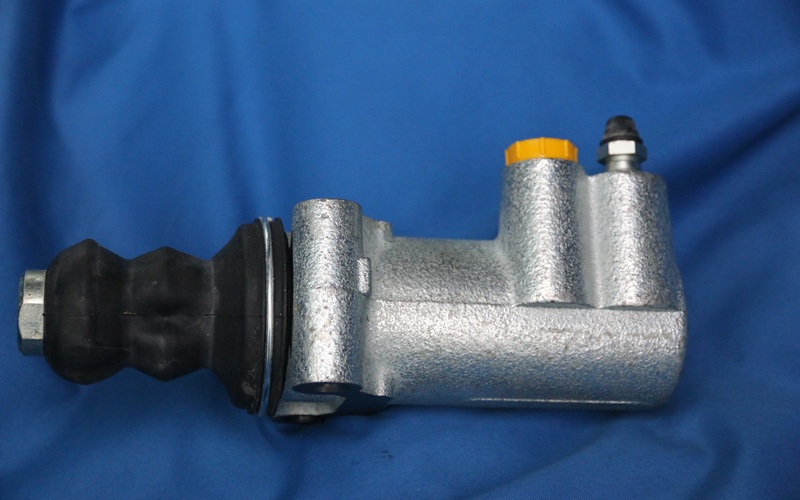
The slave cylinder is an integral component in your vehicle’s manual transmission clutch system. However, these cylinders won’t last forever, and when they start to decline, it should become noticeable for drivers in tune with their vehicles. In this guide, we’ll explain the key signs that your clutch slave cylinder might be failing to watch out for.
The Slave Cylinder and Its Role
Before diving into failure symptoms, it's essential to understand what your slave cylinder does. This component sits near your transmission and acts as the final link in your hydraulic clutch system. When you press the clutch pedal, the master cylinder generates hydraulic pressure that travels through steel-braided or rubber lines to the slave cylinder. The slave cylinder then extends, pushing against the clutch release bearing to disengage the clutch from the flywheel.
The fluid amplifies the pressure from your foot, making the pedal lighter and more responsive. The system also self-adjusts as components wear, maintaining consistent performance over time. However, when the slave cylinder fails, this entire process breaks down, leaving you unable to shift gears properly or drive at all.
Indications of a Failing Slave Cylinder
If your slave cylinder wears down to failure, it’ll manifest in many ways in your vehicle’s operation. If you notice these signs in your vehicle, your clutch slave cylinder might be failing.
Spongy Clutch Pedal
One of the earliest warning signs of slave cylinder failure is a spongy or soft clutch pedal feel. A spongy pedal feels mushy, lacks firmness, and may sink to the floor with minimal resistance. This sensation means air in the hydraulic system or the deterioration of the slave cylinder's internal seals.
The spongy feel occurs because air is compressible while hydraulic fluid is not. When air bubbles infiltrate the system through failing seals or connections, they compress under pressure rather than transmitting force efficiently. This compromises the hydraulic pressure the system needs to actuate the clutch properly.
Difficulty Shifting Gears
A failing slave cylinder directly impacts your ability to shift gears smoothly. You may find yourself struggling to move the shifter into gear, especially when starting from a complete stop. The transmission may also grind when you attempt to engage first or reverse gear.
This difficulty occurs because the slave cylinder isn't generating enough force to fully disengage the clutch. When the clutch doesn't fully separate from the flywheel, the transmission input shaft continues rotating while you're trying to mesh gears. This creates grinding and resistance.
Clutch Fluid Leaks
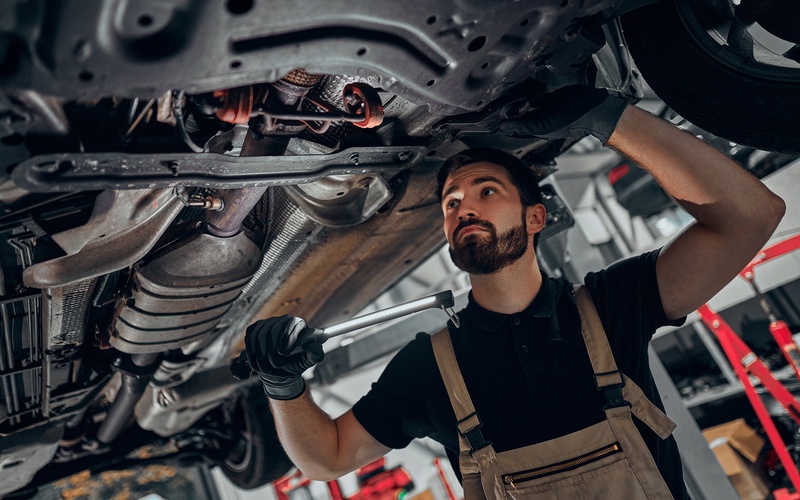
Visible hydraulic fluid leaks represent one of the most obvious signs of slave cylinder failure. Inspect the area around your transmission bell housing for evidence of fluid accumulation. Clutch fluid typically appears clear to slightly amber and feels slippery between your fingers. Fresh leaks may be wet and obvious, while older leaks might present as dark stains or crusty deposits.
Leaks develop when the slave cylinder's internal seals degrade from age, heat, or contamination. The constant hydraulic pressure and repetitive motion eventually wear down these rubber seals, allowing fluid to escape. Even small leaks compromise the hydraulic pressure necessary for proper clutch operation.
Low Clutch Fluid Level
The clutch master cylinder reservoir provides a window into your hydraulic system's health. If you check this reservoir and find the fluid level consistently low, your slave cylinder or another system component is likely leaking. While the master cylinder itself can fail, the slave cylinder experiences more extreme operating conditions—making it a more common failure point.
Check your clutch fluid level monthly as part of routine maintenance. The reservoir typically sits near the brake fluid reservoir in your engine bay, though some vehicles integrate the clutch and brake systems. If the level drops below the minimum mark, top it off with the manufacturer-recommended fluid type. Persistent low fluid levels indicate a leak that requires immediate attention.
Grinding Noises
Unusual grinding or growling noises when pressing the clutch pedal often signal slave cylinder problems. These sounds differ from typical transmission gear grinding—they occur when you depress the pedal rather than when shifting. The noise suggests the slave cylinder isn't fully engaging the release bearing, causing metal-on-metal contact as components move without proper clearance or lubrication. These grinding sounds can also indicate a failing release bearing, which works in conjunction with the slave cylinder.
Grinding noises indicate abnormal wear in components, and continued operation will cause accelerated damage. What starts as an annoying sound can quickly escalate into a complete system failure that leaves you stranded.
Clutch Pedal Sticking
A clutch pedal that sticks to the floor or doesn't return to its normal position indicates serious hydraulic system problems. This symptom suggests the slave cylinder's internal piston is binding or a failure with the return spring mechanism. When you press the clutch pedal, hydraulic pressure extends the slave cylinder. Upon release, a return spring should retract the piston, allowing the pedal to rise back to its rest position.
If your pedal doesn’t return, you may need to manually lift it with your foot before you can drive again. This dangerous condition can occur suddenly, potentially leaving you unable to disengage the clutch in traffic. A sticking pedal represents an advanced stage of slave cylinder failure and demands immediate replacement. Never attempt to drive with a pedal that won't return properly.
Clutch Slipping
Clutch slippage manifests as engine RPM increasing without a corresponding increase in vehicle speed. The engine revs freely, but the power doesn't transfer effectively to the wheels. While clutch disc wear causes most slipping, a failing slave cylinder can contribute to this problem in two ways.
First, if the slave cylinder leaks fluid onto the clutch disc, the contamination reduces the friction material's grip on the flywheel and pressure plate. Second, a partially seized slave cylinder may not fully release the clutch, causing it to drag and generate excessive heat. If you experience slipping along with other slave cylinder symptoms, don't assume you only need a new clutch disc.

Clutch Fluid Contamination
Dark, discolored, or cloudy clutch fluid indicates contamination that can damage your slave cylinder and other hydraulic components. Fresh clutch fluid should be clear to slightly amber. If the fluid in your reservoir appears dark brown or black, it contains rubber from deteriorating seals. Cloudy fluid suggests moisture contamination, which corrodes internal components and lowers the fluid's boiling point.
Contaminated fluid accelerates slave cylinder failure. The abrasive particles in degraded fluid act like sandpaper on precision-machined surfaces, creating leaks and reducing hydraulic efficiency. Moisture in the fluid promotes corrosion and can cause the hydraulic system to fail under heavy use when the fluid boils. If your clutch fluid looks contaminated, flush the entire system and replace the fluid.
Protect Your Investment With Quality Components
Promptly addressing slave cylinder failure is crucial to prevent secondary damage to your transmission, clutch, and other drivetrain components. When replacement is necessary, choosing high-quality components is paramount, and Clutch Masters Industries is the place to go for superior hydraulic clutch kits.
Our engineers design hydraulic clutch systems for the most demanding conditions, featuring billet aluminum slave cylinders for exceptional durability and precise engagement. Don't compromise performance with worn hydraulics; explore our full range of hydraulic clutch components or contact our technical specialists to select the perfect precision, reliability, and performance upgrade for your vehicle.