

Signs Your Mustang Needs a Clutch Upgrade
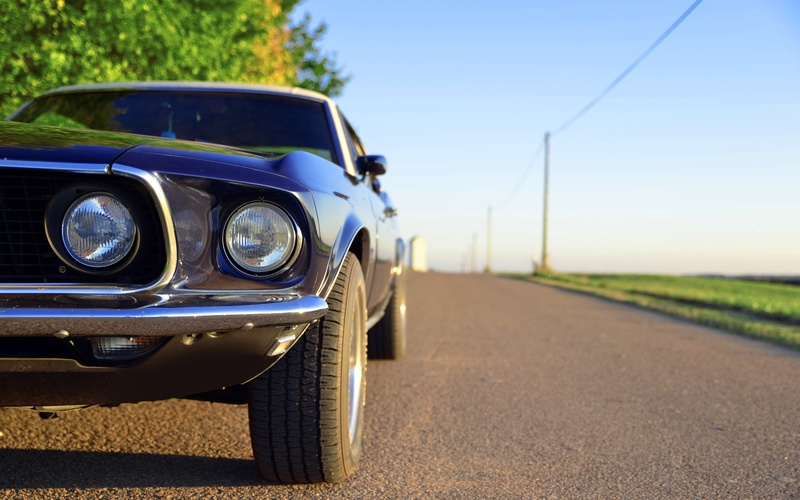
Your Ford Mustang represents American muscle at its finest, delivering raw power and exhilarating performance that make every drive memorable. However, even the best performance machines require attention to critical components that transfer power from the engine to the wheels. The clutch system serves as the vital link between your Mustang's engine and transmission, and when this component begins to fail, your vehicle's performance suffers dramatically.
In this guide, we’ll help you identify the key signs your Mustang needs a clutch upgrade. We’ll outline how clutch issues can manifest in your Mustang and the key factors of clutch wear.
Understanding Your Mustang's Clutch System
The clutch system in your Mustang consists of several interconnected components working together to engage and disengage power transmission. The pressure plate applies force to the clutch disc, which presses against the flywheel to transfer engine power to the transmission. When you depress the clutch pedal, the release bearing pushes against the pressure plate fingers, disengaging the clutch and allowing smooth gear changes.
Modern Mustangs feature sophisticated clutch systems to handle substantial torque loads while providing smooth operation. However, aggressive driving, track use, and increased power modifications can accelerate wear beyond the original equipment manufacturer's specifications. Understanding how these components interact helps you recognize when performance begins to deteriorate and an upgrade becomes necessary.
Indications You Should Upgrade Your Mustang's Clutch
If it’s time to swap out your Ford Mustang’s clutch with a new system, it should be noticeable while you’re driving. Common signs your Mustang needs a clutch upgrade include a slipping clutch, unusual noises, and even a burning smell coming from your vehicle.
Slipping Clutch Performance
A slipping clutch represents one of the most obvious signs that your Mustang requires immediate attention. This condition occurs when the clutch disc can no longer maintain adequate friction against the flywheel, causing power loss during acceleration. You'll notice the engine RPM increases without corresponding acceleration, particularly noticeable when climbing hills or during aggressive acceleration from a stop.
The slipping becomes more pronounced under load, making highway merging and track performance increasingly difficult. During spirited driving sessions, the clutch may slip intermittently at first, then progress to constant slipping that severely limits your Mustang's performance capabilities. This condition reduces power transfer efficiency and generates excessive heat that can damage other transmission components.
Difficult Gear Shifting Operations
Smooth gear changes define the driving experience in a well-maintained Mustang, but clutch wear creates increasingly difficult shifting operations. You may notice resistance when moving the gear lever, grinding noises during shifts, or a complete inability to engage certain gears. These symptoms indicate that the clutch is not fully disengaging when the pedal is depressed.
The problem often manifests first when shifting into first gear from a stop or when downshifting during aggressive driving. Cold weather can exacerbate these symptoms, making morning drives particularly challenging until the transmission fluid warms up. However, clutch-related shifting difficulties persist regardless of operating temperature and worsen over time.
Unusual Noises and Vibrations
Your Mustang's clutch should be a silent, smooth operator. A squeaking sound when you press the pedal often points to release bearing issues, while grinding during engagement suggests a worn clutch disc or flywheel damage. You might also feel a chattering or shuddering sensation when engaging the clutch. These noises could be due to a glazed clutch surface, a warped pressure plate, or contamination on the clutch disc.
Rattling noises when you release the clutch pedal are particularly concerning, as they may indicate worn pressure plate springs or a faulty release mechanism. Ignoring these symptoms is a significant risk that can lead to being stranded and facing more extensive, costly repairs. For peak performance and reliability, any of these sounds should prompt an immediate inspection by a qualified technician.
Clutch Pedal Problems
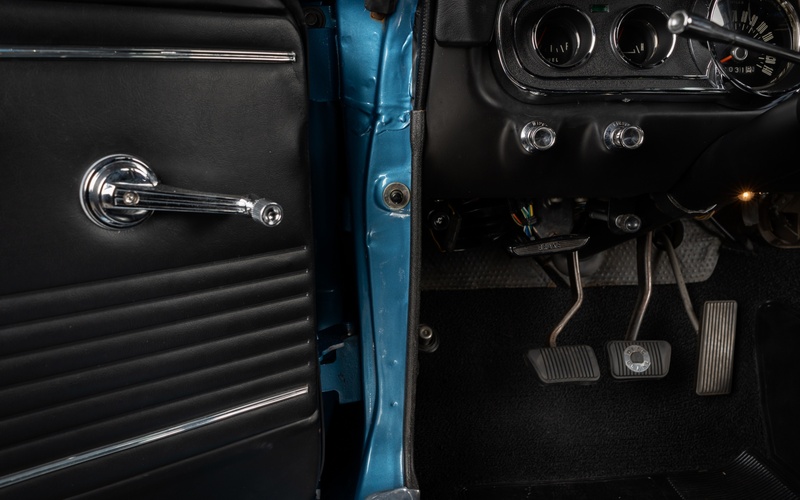
The clutch pedal acts as your primary interface with the clutch system, making any alteration in its feel or operation an indicator of developing problems. A spongy or soft pedal suggests hydraulic system issues or air contamination within the clutch fluid. Conversely, an excessively hard pedal can point to critical pressure plate problems or a binding release mechanism directly impeding smooth power transfer.
Beyond feel, a clutch pedal that sticks or fails to return to its proper position creates hazardous driving conditions and renders smooth gear changes impossible. Progressive changes in the clutch engagement point, requiring more or less pedal travel, signify wear within the clutch disc or pressure plate that will inevitably worsen.
Burning Smell Detection
Your nose can also help you determine when it’s time to replace your Mustang’s clutch. A burning smell emanating from your Mustang during or after driving represents a serious warning sign that demands immediate attention. This distinctive odor is a result of the friction material on the clutch disc literally burning when subjected to continuous slipping conditions.
The burning smell becomes most noticeable after aggressive driving sessions, hill climbing, or stop-and-go traffic, where clutch usage increases. Heavy track use can generate enough heat to permanently damage the clutch disc and require complete system replacement. The smell may also indicate hydraulic fluid leaks that create contamination and reduced friction capacity.
Factors Contributing to Clutch Wear
There are numerous factors that can contribute to these indications of clutch wear and failure. How you drive, where you drive, and the quality of your Mustang’s components can all dictate how fast the clutch wears down.
Driving Style and Performance Demands
How you drive your Mustang is the primary variable accelerating clutch wear in performance applications. Aggressive launches, frequent track use, and high-RPM shifts create extreme stress on clutch components, exceeding original design parameters. Modified engines producing increased torque and horsepower also accelerate wear rates beyond manufacturer specifications, demanding more robust clutch solutions.
Environmental and Maintenance Influences
Hot weather and dusty conditions create additional stress on friction materials, while stop-and-go traffic necessitates frequent clutch engagement, generating heat and accelerating wear patterns. Beyond external factors, poor maintenance practices, such as contaminated clutch fluid or incorrect pedal adjustment, can drastically reduce component lifespan and compromise performance.
The Importance of Quality Components
Finally, quality differences in replacement parts play a crucial role in durability and performance. Original equipment clutches prioritize easy operation and longevity under normal driving conditions. However, they often fall short in providing adequate holding power and heat resistance for modified engines or rigorous track use, where the demands far exceed standard specifications.
Selecting the Right Performance Clutch Upgrade
Choosing the appropriate clutch upgrade requires careful consideration of your Mustang's power output, intended use, and performance goals. High-performance clutch systems offer increased holding power, improved heat dissipation, and enhanced durability that transform your driving experience. Professional-grade clutches feature advanced friction materials and reinforced components designed for demanding applications.
Racing applications require clutches with maximum holding power and rapid heat dissipation capabilities. Street performance applications benefit from clutches that balance increased capacity with smooth engagement characteristics.
Maximizing Your Mustang's Performance Potential
Your Mustang deserves a clutch system that matches its performance capabilities and your driving ambitions. If you’re looking for a high-performance hydraulic clutch for sale for your Mustang, Clutch Masters can help! Browse our inventory of clutch kits and more online or contact our staff to speak with a clutch expert.