

Signs of a Bad Flywheel That Needs Replacement

At the heart of the connection between a car’s engine and its wheels in a manual transmission vehicle is the flywheel. Your vehicle's health directly dictates its performance, responsiveness, and even safety. Ignoring the signs of a failing flywheel isn't just a minor oversight; it's a risk to your entire drivetrain and your driving experience.
But how can drivers know when their vehicle’s flywheel is going bad? In this guide below, we’ll outline the signs of a bad flywheel that needs replacement, explain the root causes of flywheel failure, and show readers where they can find a high-quality replacement.
Understanding the Flywheel's Critical Role
Before diagnosing a problem, it's essential to understand the part's function. The flywheel is a heavy, circular disc that bolts directly to the engine's crankshaft. It stores rotational energy from the engine's combustion cycles, smoothing out power delivery and maintaining momentum between firing strokes. This is what keeps your engine running smoothly, especially at lower RPMs.
The flywheel also provides the friction surface for the clutch. When you engage the clutch, the clutch disc presses firmly against the flywheel, creating a solid link that transfers the engine's torque through the transmission to the wheels. When you disengage the clutch, it breaks this connection and allows you to shift gears.
Because of this direct, high-friction contact, the flywheel is integral to the entire clutch system. Recognizing the signs of its failure is paramount for any driver who demands precision and reliability from their vehicle.
Common Symptoms of Flywheel Failure
A failing flywheel will almost always make its presence known through distinct, noticeable symptoms. Signs of a bad flywheel that needs replacement include a slipping clutch, unusual noises, and more.
A Slipping Clutch
One of the most common and concerning symptoms of a bad flywheel is clutch slipping. This occurs when the clutch disc fails to fully engage the flywheel, resulting in a loss of power transfer. You might notice your engine's RPMs increase as you accelerate, but your vehicle's speed doesn't increase proportionally.
It can feel as though the engine is racing ahead of the transmission. A warped, glazed, or heat-damaged flywheel surface is a primary cause of this phenomenon. The friction material on the clutch disc can no longer maintain a firm grip, resulting in inefficient, frustrating slippage.
Difficulty Shifting Gears
A healthy flywheel and clutch system should allow for smooth, crisp gear changes. If you begin to experience resistance, grinding, or a general refusal to engage, the flywheel may be the culprit. A warped flywheel can prevent the clutch from disengaging completely.
Even with the clutch pedal fully depressed, the slight, continuous contact between the clutch disc and the warped flywheel surface keeps the transmission's input shaft spinning. This makes it incredibly difficult for the transmission's synchronizers to match speeds and allow for a clean gear shift. This makes driving difficult and puts immense strain on your transmission's internal components.
Unusual Noises
Your vehicle's sound is a key diagnostic tool. A bad flywheel often produces a range of distinct, unpleasant noises. You might hear a deep grinding or rumbling sound when depressing the clutch pedal, which can indicate a worn or failing pilot bearing in the flywheel.
A rattling or chattering noise at idle can also indicate issues. Whining or screeching sounds during clutch engagement or disengagement can signal a warped surface or other mechanical failures within the clutch assembly, which the flywheel exacerbates.
Excessive Vibrations
Vibrations you can feel through the clutch pedal or the vehicle's floor are a significant red flag. Because the flywheel is a large, rotating mass, it must be perfectly balanced. If it becomes warped, cracked, or has worn unevenly, this balance is lost.
The result is a noticeable vibration, particularly when you engage or disengage the clutch. This vibration is not just a comfort issue; it's a sign of a severe mechanical imbalance that sends destructive shockwaves through the crankshaft and the entire drivetrain.
The Root Causes of Flywheel Failure
Understanding the common instigators of clutch failure can help you maintain your vehicle and extend the flywheel’s lifespan. Several factors can cause a flywheel’s premature demise, many of which relate to driving style and maintenance.
Normal Wear and Tear
Over tens of thousands of miles, the constant friction and heat from clutch engagement will gradually wear down the flywheel's surface. This is a natural process, but it is the most common reason for replacement. The surface becomes scored and uneven, losing its ability to provide a clean, flat surface for the clutch disc.
Overheating and Heat Damage
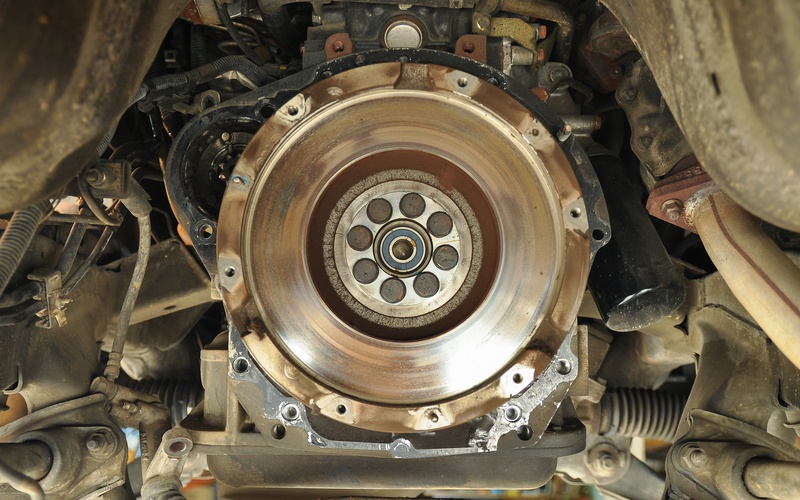
Excessive heat is the flywheel's greatest enemy. Aggressive driving, such as hard launches or "slipping" the clutch to hold a car on a hill, generates immense heat. This can cause "hot spots" on the flywheel's surface, causing warping and the development of hard, glazed areas that severely reduce friction. In extreme cases, the intense heat can cause surface cracks to form, compromising the structural integrity of the entire unit.
Improper Installation
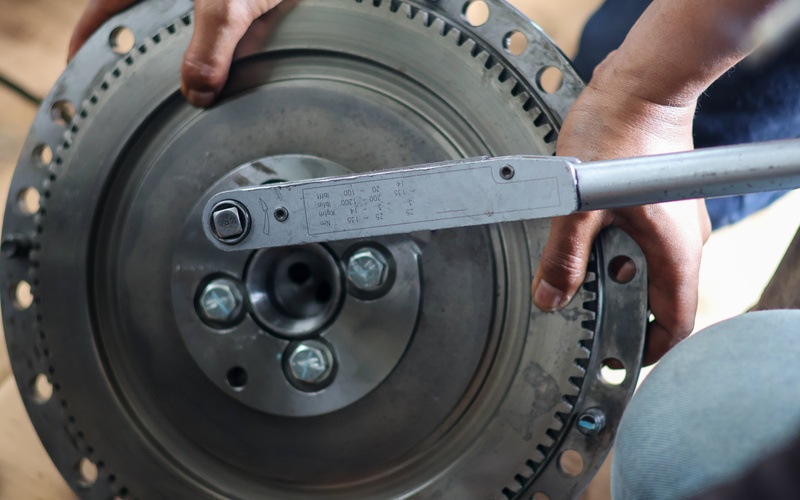
The problem with the flywheel may date back to its installation in the vehicle. Failure to properly torque the flywheel bolts in the correct sequence can cause improper seating of the flywheel against the crankshaft. This can cause a wobble or imbalance that destroys the flywheel and potentially damages the crankshaft.
Aggressive Driving Habits
While you should always drive performance vehicles with spirit, certain habits can drastically shorten a flywheel's life. Hard, abrupt clutch engagements, or "dumping the clutch," send a massive shock load through the flywheel and the entire drivetrain. This can cause stress fractures or even catastrophic failure. Similarly, aggressive downshifting at high RPMs places enormous stress on the flywheel and clutch components.
The Dangers of Procrastination
Addressing flywheel issues promptly is both financially prudent and best for your safety. A slipping clutch can leave you without the power you need to merge into traffic or perform an evasive maneuver. A complete failure, where the flywheel cracks or shatters, can cause a total loss of drive and potentially send metal fragments flying, damaging other critical components under your vehicle.
Furthermore, a failing flywheel can cause collateral damage. The vibrations from an imbalanced flywheel can damage the engine's main bearings and the transmission's input shaft bearing. A flywheel that prevents proper clutch disengagement will cause premature wear on your transmission's synchronizers, leading to a costly transmission rebuild.
Upgrade to a Superior Flywheel With Clutch Masters Industries
When the time comes to replace your flywheel, you have an opportunity to upgrade. For performance enthusiasts, upgrading from a heavy, factory dual-mass flywheel (DMF) to a high-quality single-mass flywheel (SMF) from Clutch Masters is a significant performance enhancement. Our performance flywheels allow your engine to rev more quickly, reducing turbo lag in turbocharged applications and improving mid-range torque.
Whether you choose our 6061 T6 Billet Aluminum flywheels for race applications or our robust 1045 and 4140 Billet Steel flywheels for street and strip use, you are investing in precision-engineered quality. Don't let a failing component compromise your vehicle's potential. Upgrade to a Clutch Masters flywheel and experience the difference that superior engineering makes.