

Why Flywheel Balance Is Critical for Torque Management
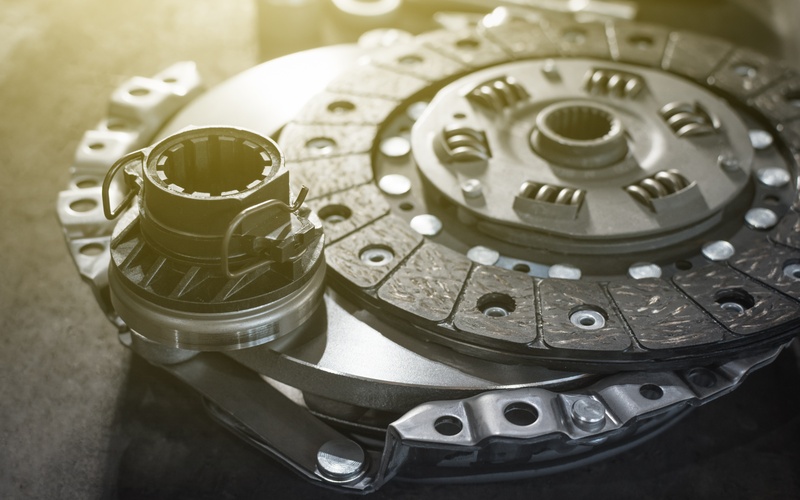
A flywheel does more than store rotational energy. It stabilizes crankshaft speed, smooths out combustion pulses, and helps the clutch transmit torque without shock-loading the drivetrain. When the flywheel sits out of balance, it turns those same jobs into liabilities.
Balance affects how the engine’s torque reaches the input shaft, and it influences what the clutch, transmission, and bearings “feel” every time RPM changes. Below, we explain why flywheel balance is critical for torque management, common causes of flywheel balance problems, and more.
Torque Management Starts with Rotational Stability
Torque management describes how the drivetrain controls, distributes, and survives torque under load. In performance driving, that includes hard launches, fast shifts, rapid rev changes, and repeated heat cycles. In daily driving, it includes stop-and-go clutch work, lugging the engine in higher gears, and sudden throttle transitions.
The flywheel sits at the center of those transitions. Its mass and inertia influence how quickly the engine gains or loses RPM, and its balance determines how smoothly it does so. If the flywheel introduces vibration, the drivetrain must absorb that energy while it also transmits torque.
What “Balanced” Really Means in a Flywheel
Balance means the even distribution of the flywheel’s mass around its axis of rotation. When it spins, the center of mass aligns with the centerline of the crankshaft. That alignment prevents the flywheel from creating a centrifugal “wobble” that grows with RPM.
People sometimes assume that new parts arrive perfectly balanced and stay that way. In reality, balance exists on a spectrum, and it depends on manufacturing tolerances, machining quality, and how the part interfaces with the crank and clutch components. Small deviations can become large forces when RPM climbs.
The key detail is that the imbalance force rises dramatically as speed increases. A minor imbalance at idle can become an aggressive vibration at highway RPM or during a pull. That’s why a car can feel “fine” around town but get noticeably rough when you lean into it.
How Imbalance Disrupts Clutch Engagement and Torque Transfer
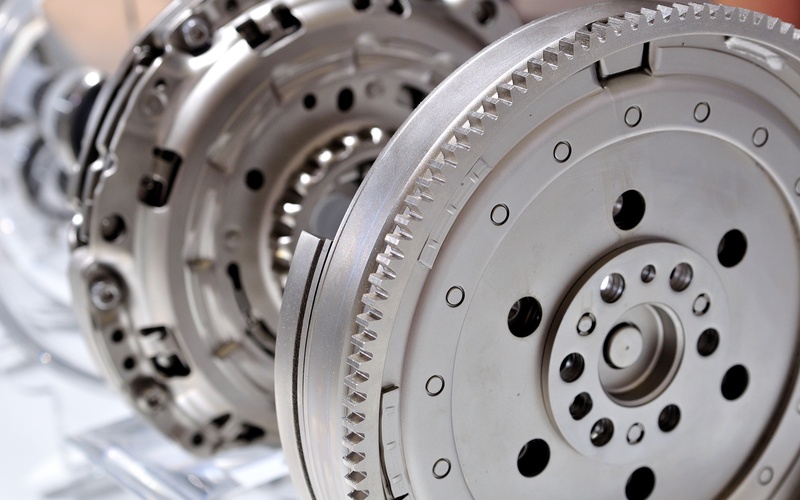
A clutch works best when it clamps evenly and consistently. The flywheel acts as one of the primary friction surfaces, so its stability directly affects how uniformly the disc contacts the surface under pressure. When the flywheel rotates out of balance, it can introduce oscillations that change the effective contact pattern.
That change can feel like a grabby engagement, intermittent chatter, or a clutch that behaves differently run to run. You might notice a shudder on takeoff, a vibration when slipping the clutch, or a pulsing sensation under steady throttle. Those symptoms don’t always mean the clutch itself is defective; the flywheel’s balance can drive similar behavior.
Imbalance also complicates heat management. Uneven contact can create local hot spots, which may contribute to glazing or inconsistent friction characteristics over time.
The Relationship Between Balance, Bearings, and Drivetrain Wear
A rotating imbalance creates a vibration you can feel, and a repeating load that the engine and drivetrain must absorb with every revolution. That load can stress crankshaft bearings, input shaft bearings, and even mounts, depending on how severe the imbalance becomes. Vibration also encourages fasteners to loosen and materials to fatigue.
Even if the car never “breaks,” that constant harmonic load can reduce the drivetrain’s margin. The drivetrain spends more effort surviving vibration and less effort transmitting torque smoothly. That reality matters for anyone chasing repeatable performance and long-term reliability.
Why Flywheel Balance Is Especially Critical in Performance Builds
Flywheel balance is critical for torque management in performance cars. As power climbs, the consequences of small problems grow. Higher torque and faster RPM changes amplify any instability in the rotating assembly. That’s why balance matters even more when you choose a performance flywheel for faster response and stronger torque transfer.
Lightweight designs can deliver sharper rev matching and quicker acceleration, but they also demand precision. When you remove excess mass, you reduce the system’s ability to “mask” imperfections. A well-made, properly balanced flywheel supports crisp response without punishing the drivetrain with vibration.
Common Causes of Flywheel Balance Problems
Balance issues typically start with manufacturing tolerance, but they can also come from the finish of the flywheel and its installation. Clutch surface resurfacing done improperly can do the same.
Installation errors can also mimic or create an imbalance. Dirt, burrs, or uneven torque on mounting bolts can prevent the flywheel from seating flush on the crank flange. Misalignment at the mating surface can create runout, which feels like imbalance and can trigger clutch engagement problems.
Balance, Runout, and Vibration Are Not the Same Thing
People frequently use “balance” as a catch-all term for any vibration, but balance and runout describe different problems. Balance focuses on mass distribution around the axis. Runout describes whether the friction surface stays true as it rotates.
A balanced flywheel can still show runout if it mounts unevenly or due to incorrect surface machining. A flywheel can also show minimal runout but still be out of balance due to a mass offset. Both conditions can create symptoms like vibration and clutch chatter, but they require different fixes.
Signs Your Flywheel Balance Might Be Off
A balance issue is typically most noticeable under RPM, load, or both. You might feel a vibration that increases with engine speed, even in neutral. You might also feel a resonance at a specific RPM range that disappears above or below it.
During driving, you can notice shudder during takeoff, a pulsing sensation under steady cruise, or a harshness that appears during acceleration and fades on deceleration. If the vibration changes when you depress the clutch pedal, that clue can point toward clutch and flywheel components rather than tires or driveline angles.
How Proper Balance Supports Real-World Torque Capacity
Torque ratings sound straightforward, but real-world torque holding depends on consistent clamping, stable surfaces, and predictable engagement. A drivetrain that vibrates or oscillates can slip or chatter at torque levels that should be manageable. That’s not because the clutch “forgot” its rating; it’s because the system introduces instability.
A properly balanced flywheel helps the clutch do its job with fewer variables. It supports even contact, reduces shock loading, and helps the engine’s torque reach the tires more cleanly. That smoothness also improves driver control, especially when lacking traction.
Getting It Right: Practical Takeaways Without the Guesswork
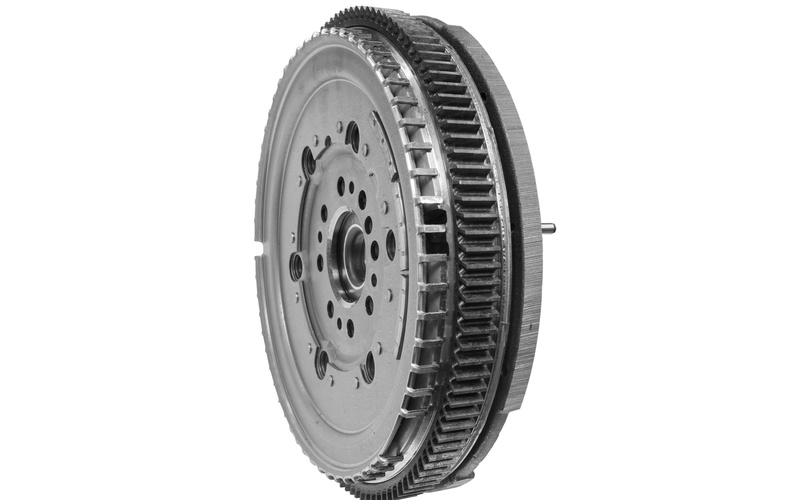
You don’t need to obsess over every theoretical detail, but you should respect the basics. Choose components from manufacturers who treat balance and machining quality as core requirements, not afterthoughts. Confirm that the flywheel seats correctly, torques to spec, and matches the clutch system.
If you resurface a flywheel, use a shop that understands the part and the application. Poor resurfacing can change geometry and introduce runout or balance issues. If you swap to a different clutch type, confirm compatibility so you don’t create a mismatch that shows up as vibration.
Talk With Clutch Masters About Your Flywheel and Clutch Setup
If you’re planning a clutch upgrade, a flywheel change, or a full torque-focused build, the details matter. Clutch Masters Industries can help you choose the right flywheel and clutch combination for your power goals, driving style, and durability needs. Reach out to the Clutch Masters team to get a setup that delivers smooth engagement and confident torque management.