

How Brake Fluid Type Impacts Clutch Pedal Consistency
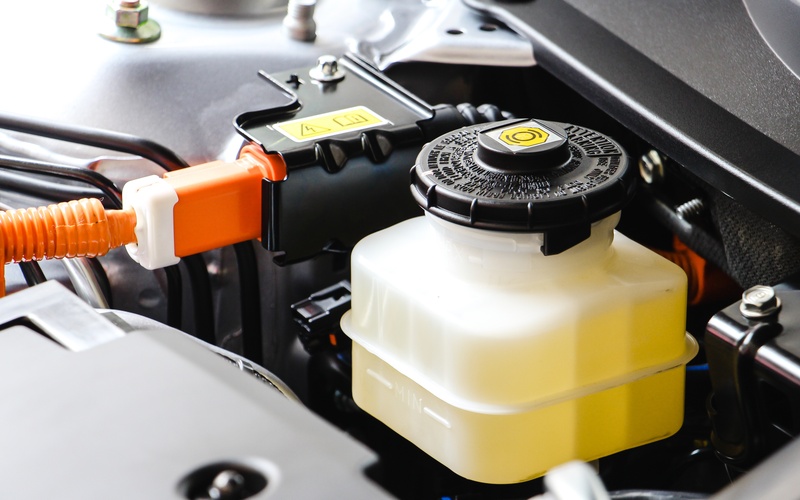
On many vehicles, the clutch master cylinder shares the same reservoir as the brakes. That means the fluid you choose for braking performance also sets the baseline for clutch pedal behavior. When the fluid’s properties don’t match the system’s needs, the clutch can feel soft, inconsistent, or unpredictable.
Pedal consistency is mainly about repeatability. You want the engagement point to land in the same place, with the same resistance, every time you press the pedal. Below, we explain how brake fluid type impacts clutch pedal consistency.
What “Consistent Pedal” Means in a Hydraulic Clutch
A hydraulic clutch works by moving fluid from the master cylinder to the slave cylinder. Ideally, the fluid transmits pressure without delay, aeration, or temperature-driven changes. When the fluid changes behavior under heat or absorbs moisture over time, that pressure transfer becomes less stable.
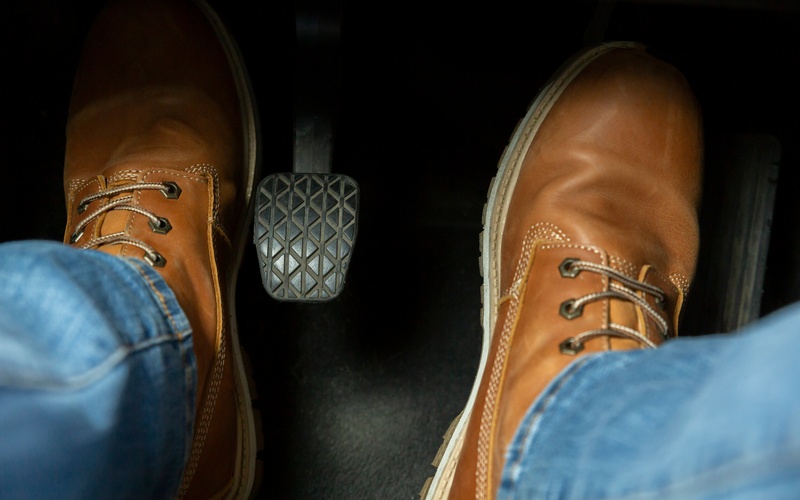
Inconsistent pedal feel usually shows up as a changing engagement point. You might notice the bite moves higher after a few pulls, or the pedal gets spongier in traffic. Those symptoms can come from air, boiling, seal issues, or fluid that’s simply not suitable for the temperatures you’re creating.
The Properties That Matter Most
Brake fluids aren’t all the same, even when they “work” in the system. The differences that affect clutch feel are typically the same differences that affect brake performance. The clutch just makes those differences easier to notice because you’re sensitive to engagement changes.
Boiling Point and Heat Tolerance
Heat is a big deal near the transmission tunnel and exhaust, especially in performance driving. If the fluid reaches its boiling range, it can form vapor, and vapor compresses. That’s when the pedal suddenly feels soft and the engagement point shifts.
Even before outright boiling, some fluids respond differently to elevated temperatures. A fluid that is marginal for your heat load may still “function,” but it can feel less stable over repeated clutch use.
Moisture Absorption Over Time
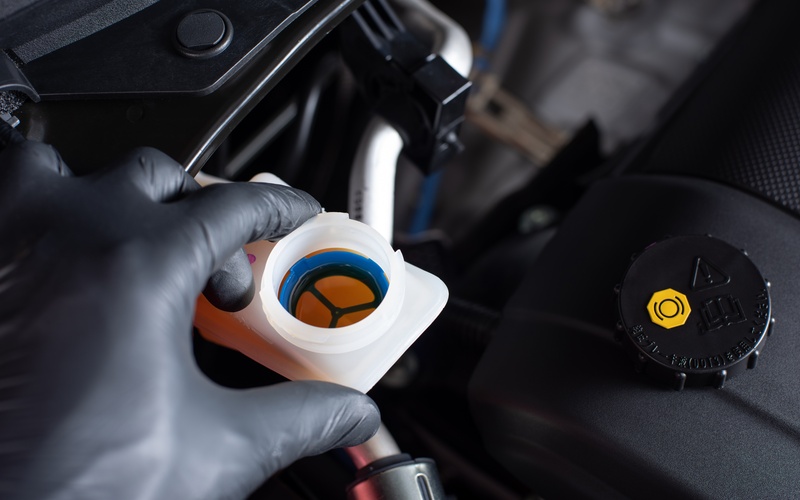
Most common brake fluids are hygroscopic, meaning they absorb moisture from the air. Over time, that moisture reduces the fluid’s boiling point and can also increase corrosion risk inside the hydraulic system. For a clutch, the result is typically a pedal that feels fine when cold and inconsistent when hot.
Viscosity and Cold-To-Hot Behavior
Viscosity is essentially how “thick” the fluid is, and it changes with temperature. A fluid that is too thick when cold can slow pressure response and make the pedal feel sluggish. A fluid that thins out significantly when hot can change how the system behaves under rapid use.
This is one reason some drivers describe a clutch as “notchy” on cold mornings and “mushy” after heat soak. The fluid’s viscosity curve plays a role, along with seal condition and line routing.
Compatibility With Seals and System Design
Clutch systems rely on rubber seals for specific fluid chemistries. Using the wrong type can cause swelling, leakage, or inconsistent return behavior. Even if the clutch still actuates, seal distortion can create a vague pedal and a moving engagement point.
If your vehicle manual specifies a fluid type, treat that as the starting point. Only deviate intentionally, with compatibility and use-case in mind.
DOT Ratings, Explained
To understand how brake fluid type impacts clutch pedal consistency, we’ll explain the Department of Transportation (DOT) fluid ratings. Many talk about DOT ratings like a simple “higher is better” ladder, but the real story is chemistry and application.
DOT 3
DOT 3 is common in many daily-driven vehicles. It typically offers adequate performance for normal street heat loads and is widely compatible with OEM systems. The downside is that DOT 3 usually has less heat margin than higher-performance options. If your clutch use generates sustained heat, DOT 3 can become more sensitive to moisture contamination and temperature swings.
DOT 4
For higher heat tolerance in performance applications, DOT 4 is a popular choice. The additional margin can reduce the chances of vapor-related sponginess during repeated clutch engagement. It can also help keep the engagement point more stable when the drivetrain is hot. If you’re upgrading fluid to improve pedal consistency, DOT 4 is frequently the first logical step, assuming your system allows it.
DOT 5
DOT 5 behaves differently from glycol-based fluids because of its silicone base. You should generally not mix it with DOT 3/4/5.1, and its different compressibility characteristics and how it responds to agitation can create pedal feel complaints. For clutch consistency, DOT 5 is usually the wrong direction unless a specific application explicitly calls for it.
DOT 5.1
DOT 5.1 is glycol-based like DOT 3 and DOT 4, but it’s formulated to meet a different performance profile. It’s a popular choice for its high-temperature performance and low-temperature viscosity benefits. For drivers who want a consistent feel across seasons and under repeated use, DOT 5.1 is worth considering.
How Fluid Choice Shows Up in Real-World Clutch Symptoms
Fluid problems frequently mimic mechanical problems, which is why they’re easy to misdiagnose. Paying attention to when the inconsistency happens can point you toward the right fix.
- Soft pedal after repeated shifts: heat stress, vapor formation, or moisture-lowered boiling point
- Engagement point moves during stop-and-go: heat soak plus aeration or marginal fluid performance
- Slow return or sticky feel: contamination, seal compatibility issues, or internal wear
- Inconsistent feel after a top-off: mixed fluids or air introduced during service
Fluid Maintenance Habits That Improve Pedal Consistency
Fluid type matters, but maintenance is what keeps that fluid behaving as it should. For an informational baseline, think in terms of cleanliness, air removal, and heat control.
Bleeding Technique Matters More Than People Expect
Air is compressible, and even tiny bubbles can make the pedal feel inconsistent. If the slave cylinder sits at an angle or the bleeder is not at the highest point, it can trap air. In such cases, a standard bleed may “work” without actually delivering the consistent feel you’re chasing.
A pressure or vacuum bleed can help, but complete air removal is the goal. If you’re changing fluid types, bleeding is also the moment where mixing mistakes happen, so take your time.
Watch For Heat Sources and Line Routing
If the line runs near exhaust components or sits in a hot pocket, the fluid sees more thermal stress. Improving routing, shielding, or insulation can reduce temperature spikes and help maintain a stable engagement point. This is especially relevant for modders who have relocated components.
Choosing The Right Fluid For Your Setup
For most drivers, the “best” fluid is the one that matches system requirements and operating temperatures, then stays fresh. If you’re a daily driver with a healthy system, the factory-recommended fluid and regular service may be all you need. If you’re pushing heat through aggressive driving, stepping up within compatible glycol-based options can help stabilize the feel.
Find Hydraulic Parts for Your Setup at Clutch Masters
If your clutch engagement point moves when the drivetrain gets hot, the fix may start with fluid choice and service quality, not just parts swapping. Clutch Masters can help you identify the right hydraulic clutch kit for your build and the setup details that support a consistent, confidence-inspiring pedal feel. Browse our online inventory, and contact our staff if you have any clutch questions today.