
Why Flywheel Runout Causes Clutch Slippage
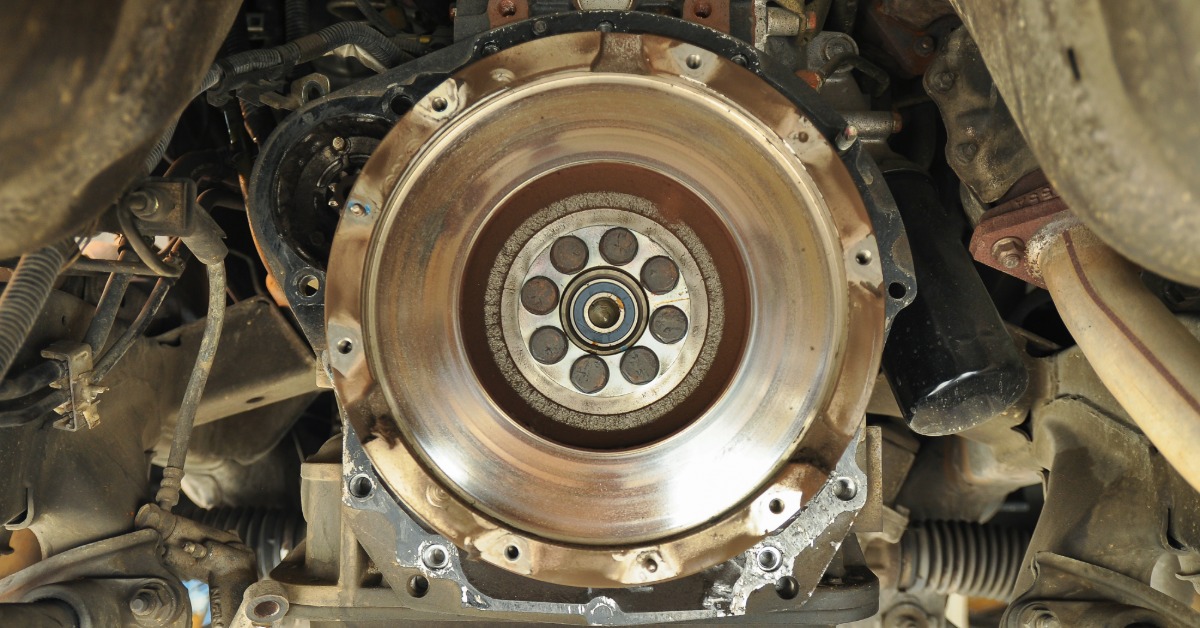
Clutch slippage does not always start with the clutch disc itself. In many cases, the real problem begins at the flywheel. When the flywheel does not spin on a true, even plane, it creates runout. That small amount of wobble can change how the clutch engages, how it applies pressure, and how power moves from the engine into the transmission.
If you are diagnosing a slipping clutch, you cannot afford to ignore the flywheel condition. A clutch assembly depends on flat, stable contact between the flywheel, clutch disc, and pressure plate. Keep reading to understand why flywheel runout causes clutch slippage and more about your vehicle’s flywheel.
What Flywheel Runout Means
Flywheel runout refers to a condition where the flywheel does not rotate perfectly true. Instead of spinning flat, it moves side to side or wobbles slightly as it turns. That movement may be small, but even a slight deviation can create major clutch performance issues.
The clutch system depends on a uniform clamping force. The pressure plate presses the disc against the flywheel, and that friction transfers engine torque through the drivetrain. When the flywheel face moves in and out during rotation, the clutch disc no longer meets a consistent surface. Parts of the rotation may clamp correctly, while other parts lose ideal contact.
That uneven contact changes everything. Instead of a clean, predictable connection, the disc sees a changing load. The friction surface works harder in some spots and loses grip in others. That inconsistency can turn into chatter, hot spots, glazing, and eventually slippage under load.
How Runout Leads Directly to Clutch Slippage
Flywheel runout causes clutch slippage because the clutch cannot maintain enough friction to hold engine torque. Many people assume weak clamp load causes the issue, but flywheel runout can create the same result even when the clutch hardware itself remains in decent condition.
When the flywheel wobbles, the clutch disc does not stay evenly sandwiched between flat surfaces. As the high spot rotates through, the clutch pushes the disc differently than it should. As the low spot follows, contact changes again. That repeating cycle reduces the clutch’s ability to maintain a full, even grip across the friction material.
This is why an aftermarket flywheel must do more than fit the application. It has to run true, present a flat friction surface, and support even clamp load across the full contact area. Without that stability, the rest of the clutch system cannot do its job correctly.
Uneven Contact Creates Heat Fast
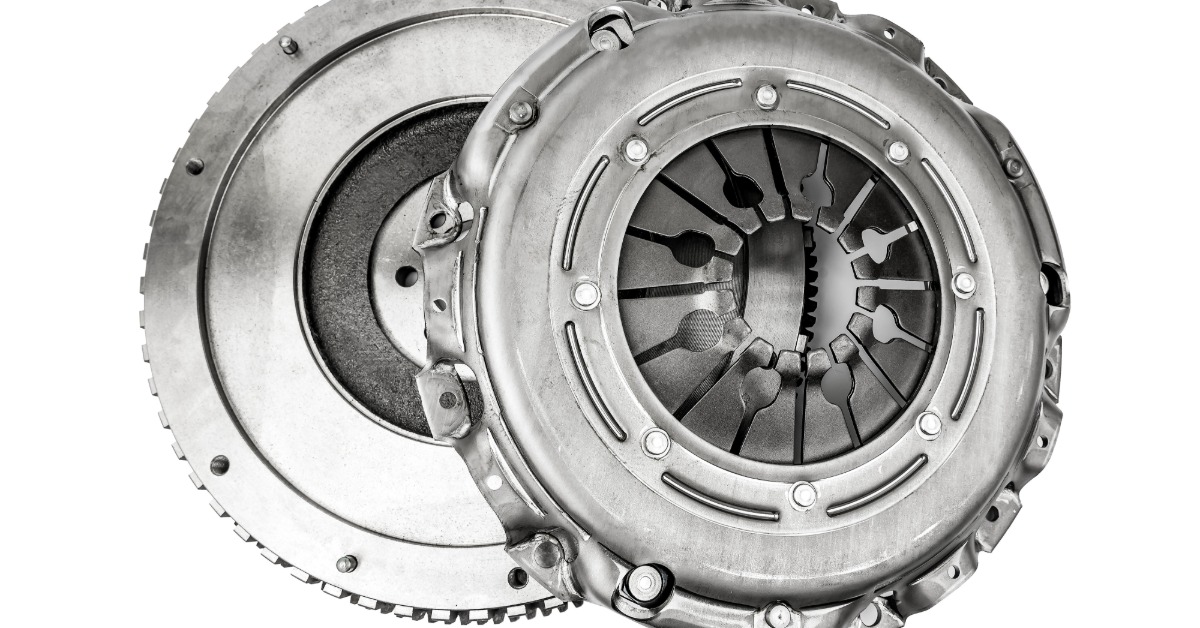
Heat is one of the biggest reasons runout becomes destructive. A slipping clutch generates friction, and friction creates heat. When runout causes uneven contact, heat does not spread evenly across the flywheel and disc. Instead, it builds in concentrated spots.
Those hot areas can change the surface finish of the flywheel and clutch disc. They may create glazing, reduce friction, and make the slipping worse. In severe cases, the metal can develop visible hot spots. Once that happens, engagement quality drops further because the surface no longer behaves consistently from one rotation to the next.
Excess heat also affects the pressure plate and disc material. Frequent slipping can harden surfaces, wear friction material faster, and shorten the life of the entire clutch assembly. What began as a small alignment or machining issue can turn into a full replacement job quickly.
Why The Driver Feels Inconsistent Engagement
Drivers usually notice symptoms before they know the cause. A vehicle with flywheel runout may feel different from one takeoff to the next. The clutch pedal may seem normal, but engagement feels inconsistent, soft, or unpredictable. In some cases, the car hooks cleanly at light throttle and slips when torque rises.
That inconsistency comes from changing surface contact during rotation. The clutch does not meet the same conditions at every moment. Because the surfaces do not stay parallel, friction and clamp effectiveness shift as the assembly spins. The driver experiences that as a moving target rather than a repeatable engagement point.
What Causes Flywheel Runout in the First Place
Runout can come from several sources. An improperly machined flywheel face is one of the most direct causes. An incorrectly cut surface means that the clutch never starts with a flat foundation. Installation problems can also create runout, especially if debris sits between the crank flange and flywheel or if the mounting surface has damage.
Improper torque procedure can contribute as well. If bolts are not evenly tight and to spec, the flywheel may not seat correctly. That can distort the mounting relationship and create a wobble that shows up during rotation. In other cases, worn or damaged crankshaft mounting surfaces can cause the same issue.
Why Replacing the Disc Alone Does Not Fix It
A common mistake in clutch repair involves replacing the worn disc without checking the flywheel. That approach may seem cheaper or faster, but it does not address the root issue when runout exists. The new disc then sits against the same unstable surface and starts wearing under the same bad conditions.
At first, the fresh friction material may mask the problem. The vehicle may drive better for a short time because the disc has more usable material and a new surface. Then the symptoms return. Slippage, chatter, heat, and uneven wear come back because the flywheel still fails to provide stable contact.
How To Diagnose the Problem Correctly
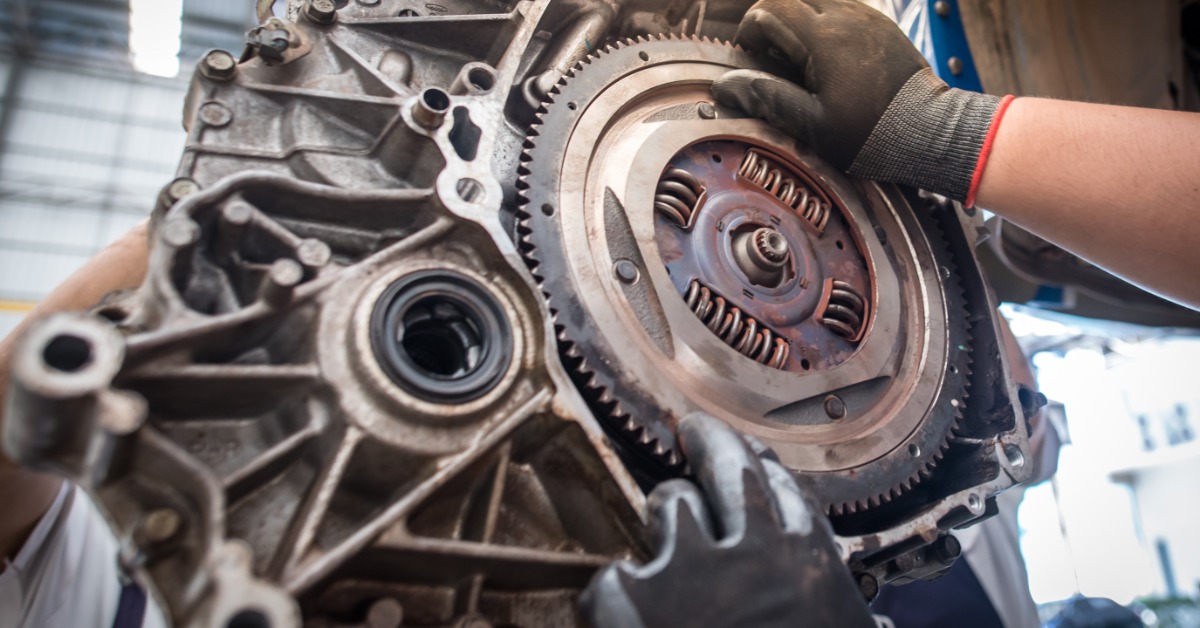
A proper diagnosis starts with symptoms, but it should end with measurement. If a clutch slips, chatters, or engages unevenly, the flywheel deserves close inspection. Technicians typically use a dial indicator to measure runout and confirm whether the flywheel rotates true.
Visual inspection also matters. Heat marks, glazing, cracks, and uneven wear patterns can point to runout-related issues. The mounting face should be clean and free of debris. The installer should also verify proper bolt torque and correct seating against the crankshaft flange.
Why Flywheel Quality Matters for Long-Term Performance
A high-quality flywheel does more than complete the clutch assembly. It provides the stable friction surface that every other component relies on. When that surface stays true, the clutch can clamp evenly, transfer torque cleanly, and deliver a more predictable feel behind the wheel.
That matters for both replacement and upgrade customers. Some drivers need to restore a worn system, while others want stronger performance from the start. In either case, the flywheel plays a central role in durability, drivability, and holding power. A clutch setup cannot overcome poor geometry at the flywheel face.
The Bottom Line
Flywheel runout is a common culprit for clutch slippage because it disrupts the flat, even that contact the clutch needs to transfer power. Once the flywheel stops spinning true, clamp load becomes inconsistent, friction becomes uneven, and heat builds where it should not. That combination leads to slipping, poor engagement, and faster wear throughout the system.
If your vehicle is experiencing clutch slippage or flywheel problems and you need to replace some components, Clutch Masters is here to help. Shop our wide selection of performance flywheels and clutch kits, or contact our staff to speak with a clutch expert today.