

Flywheel Heat Management in High-Performance Cars
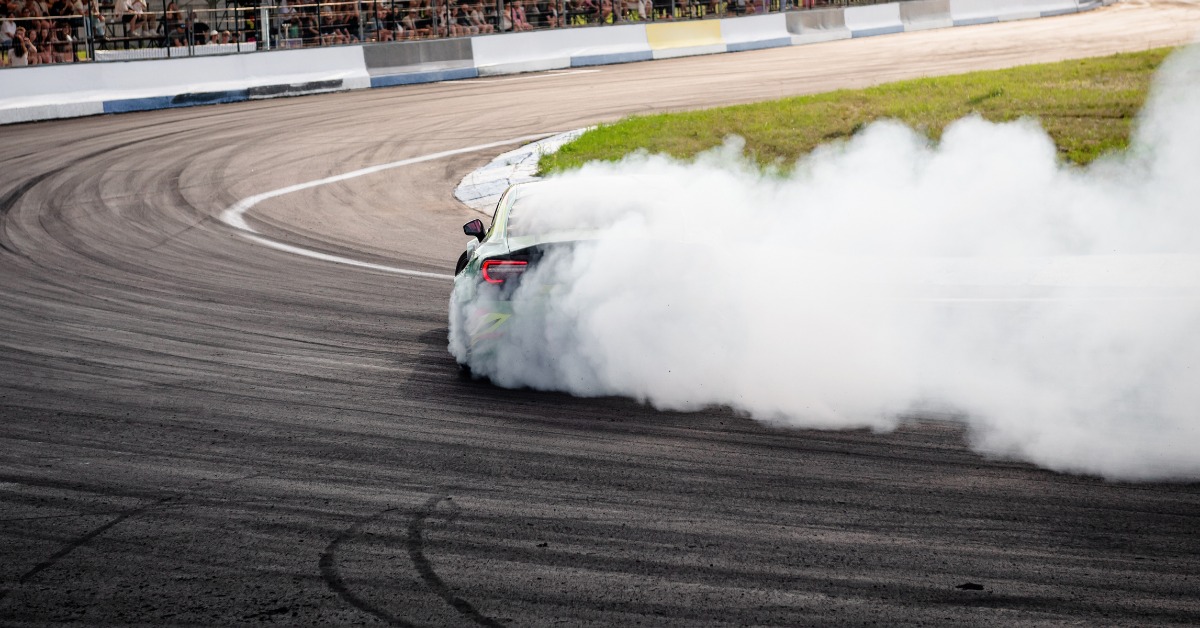
High-performance driving places significant thermal stress on a vehicle’s clutch system. Every launch, gear change, and period of clutch slip converts friction into heat, and much of that energy reaches the flywheel. Under demanding conditions, temperatures can rise quickly enough to affect engagement, friction surfaces, and component life.
Flywheel heat management in high-performance cars requires more than choosing strong parts. Drivers also must understand how their driving style, vehicle setup, clutch components, and cooling conditions work together. Keeping temperatures under control helps the entire clutch assembly perform more consistently when power and driving demands increase.
Why Flywheel Temperature Matters
The flywheel provides a friction surface for the clutch disc while also storing rotational energy from the engine. When the clutch engages, the disc and flywheel must synchronize their speeds. Any difference between those speeds creates friction, which generates heat.
Normal street driving gives the assembly time to shed much of that energy between shifts and starts. Performance driving changes the equation. Hard launches, rapid acceleration, repeated shifts, and sustained high-load operation can introduce heat faster than surrounding components can release it.
Heat Changes the Friction Surface
Excess temperature can change the condition of the flywheel surface. Frequent thermal cycles may create glazing, hot spots, or uneven wear, especially if the clutch spends too much time slipping under load.
Those surface changes can affect how smoothly the clutch disc grabs. A surface that no longer provides consistent friction may contribute to chatter, vibration, or irregular engagement even when the clutch still has usable friction material.
How Heat Builds During Performance Driving
A performance clutch system must transfer more torque while dealing with aggressive engagement and higher engine output. A single-mass flywheel may respond differently from heavier factory-style designs because its construction, weight, material, and thermal capacity influence how it absorbs and releases heat.
No flywheel can eliminate heat production. Instead, the complete clutch system must handle the thermal load that the disc creates each time it slips against the rotating friction surfaces.
Clutch Slip Creates Frictional Heat
Slip occurs whenever the clutch disc rotates at a different speed from the flywheel. Some slip is necessary for a smooth launch and clean gear change. The problem begins when the slip period becomes excessive or repeats before the assembly has enough time to cool.
A high-powered engine can increase that thermal load because the clutch has more torque to manage during engagement. Holding the clutch near its engagement point, slipping it during launches, or using it to control vehicle speed can add substantial heat in a short period.
Repeated Launches Increase Thermal Stress
Hard launches are especially demanding because the clutch must connect an engine spinning at elevated speed with a drivetrain that may initially be stationary. The greater the speed difference, the more energy the clutch system must absorb during engagement.
One launch may not push temperatures beyond a component’s operating range. Repeated launches can. Drag racing, autocross, drifting, and similar driving can create a cycle in which the next engagement begins before the previous heat has dissipated.
How the Flywheel Manages Heat
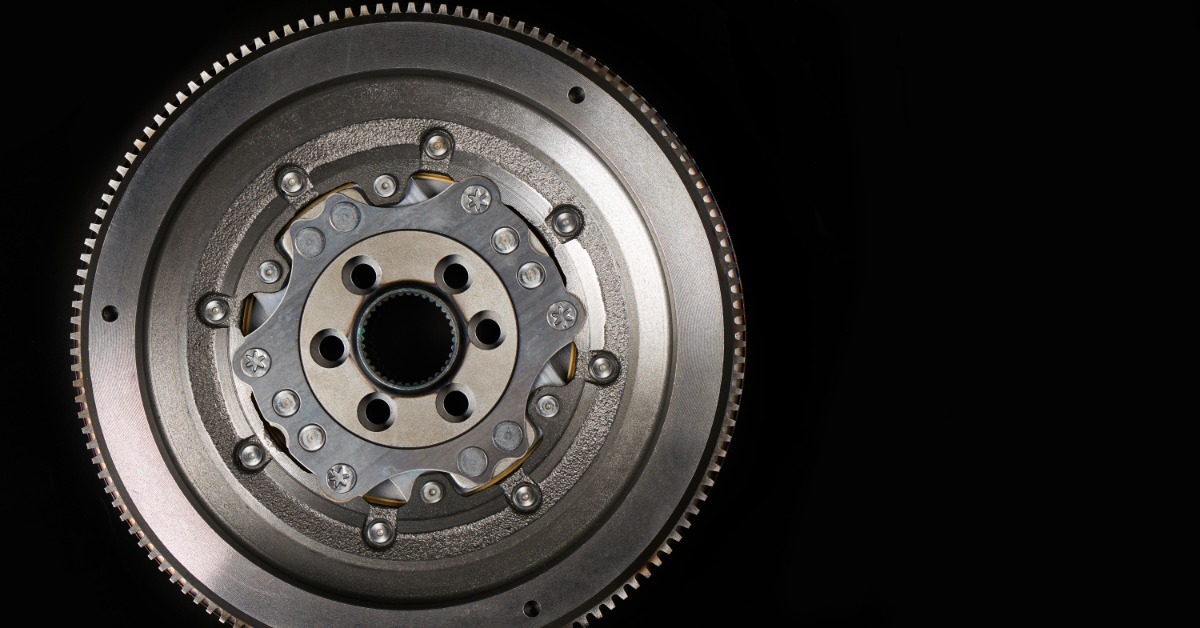
The flywheel manages heat in high-performance cars by acting as both a friction surface and a thermal mass. Its material absorbs energy during clutch engagement, then transfers that heat into nearby air and surrounding components as temperatures begin to equalize.
Material choice, thickness, mass, surface area, and design all influence this process. A part engineered for reduced rotating weight may behave differently under frequent thermal loading than a heavier design built with greater heat capacity.
Thermal Mass Affects Temperature Rise
A heavier component generally has more material available to absorb energy before its temperature rises by the same amount. That does not automatically make a heavier flywheel the best option for every performance car. Weight also affects engine response, drivability, and how quickly engine speed changes.
Drivers therefore must consider thermal behavior alongside the way they want the vehicle to respond. A street car, road-course vehicle, and drag racer can place very different demands on the same type of component.
The Pressure Plate Shares the Load
The flywheel does not handle clutch heat alone. The pressure plate provides the opposing friction surface, so it also absorbs energy whenever the disc slips.
Heat moves through the disc, pressure plate, flywheel, and surrounding air. If temperatures climb beyond what those parts can manage, the entire assembly can lose consistency rather than one single component showing all the symptoms.
Bellhousing Airflow and Heat Dissipation
The clutch operates inside the bellhousing, which limits direct exposure to outside airflow. Heat must move away from the friction surfaces through conduction, radiation, and the air circulating within that enclosed space.
Vehicle speed and drivetrain design can influence temperature around the transmission, but airflow alone cannot compensate for excessive clutch slip. The most effective heat-management strategy starts by reducing unnecessary heat generation in the first place.
Cooling Time Matters Between Hard Runs
Heat does not disappear immediately after a launch or aggressive driving session. The flywheel and pressure plate continue carrying stored thermal energy after the clutch fully engages.
Allowing the drivetrain time to cool can help prevent temperatures from stacking from one run to the next. This becomes particularly important during track sessions, test passes, or repeated practice launches.
What Excessive Heat Does to Clutch Performance
A clutch relies on predictable friction to transfer torque. When temperatures rise too far, friction characteristics can change, and the clutch may no longer engage the way the driver expects.
The first sign may be inconsistent engagement rather than complete failure. A driver might notice more slip, a different pedal feel during engagement, vibration, or a noticeable change in how quickly the clutch grabs.
Heat Can Contribute to Glazing and Hot Spots
Glazing develops when excessive heat changes the friction surface and creates a smooth, hard layer. That surface can reduce the disc’s ability to produce consistent friction against the flywheel or pressure plate.
Hot spots can create another problem. Localized areas of high temperature can produce uneven surface conditions, which may cause vibration, chatter, or inconsistent contact across the disc.
Excess Temperature Can Accelerate Wear
Clutch components work within designed temperature ranges. Repeatedly exceeding those limits can accelerate wear on the disc and friction surfaces while placing additional thermal stress on surrounding components.
A clutch that survives an isolated high-temperature event may still lose service life if severe heat cycles continue. Managing temperature therefore matters for durability as much as immediate performance.
Control Heat To Protect Performance
Flywheel heat management comes down to controlling friction, choosing components for the application, and giving the clutch system a chance to release the energy it absorbs. Performance driving naturally creates more heat, but excessive slip, repeated launches, and mismatched components can push temperatures beyond a useful operating range.
A properly selected clutch and flywheel combination can provide the torque capacity, response, and thermal durability a high-performance car demands. If you are planning an upgrade or trying to match clutch components to your vehicle’s power and driving style, contact Clutch Masters to discuss a setup for your application.